


Silent Night, Deadly Dawn: Algerian Care Home Inferno Unearths Neglect
POLICY WIRE — Algiers, Algeria — The pre-dawn silence, often a soothing balm in a bustling city, was ripped apart by the hungry roar of flames last Tuesday. It wasn’t the usual clamour of...

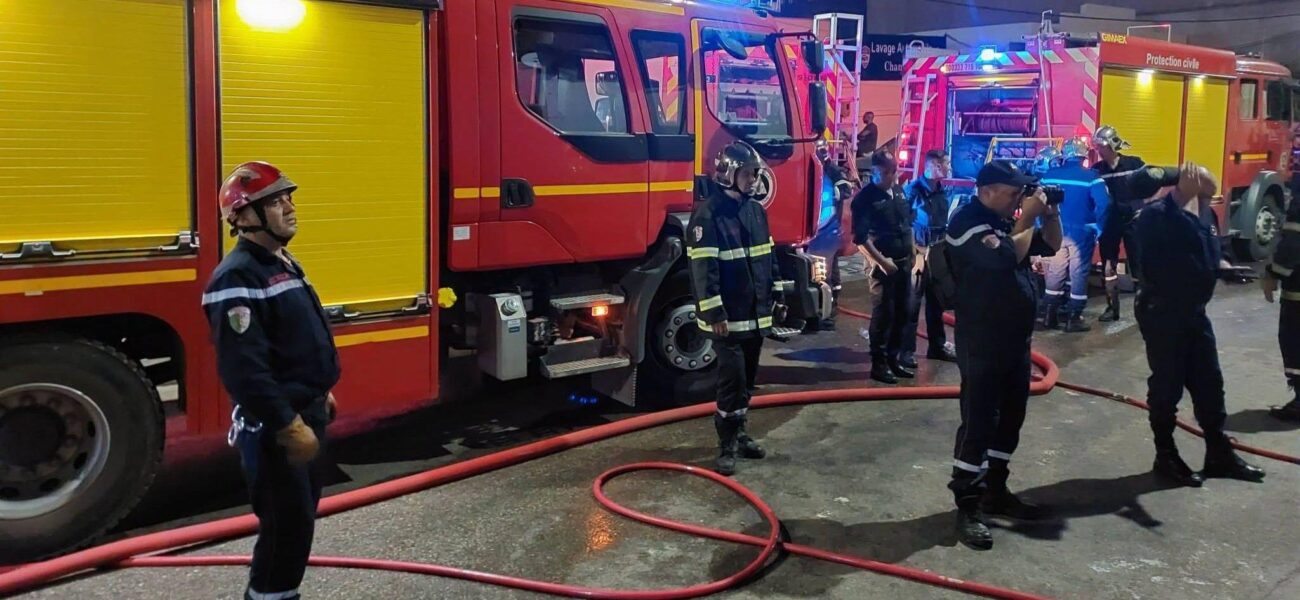
POLICY WIRE — Algiers, Algeria — The pre-dawn silence, often a soothing balm in a bustling city, was ripped apart by the hungry roar of flames last Tuesday. It wasn’t the usual clamour of street vendors or early morning prayers that signaled dawn in the sprawling Ain Taya suburb. Instead, it was the guttural scream of a burning building—a government-run foster care home—devouring lives in its path. Eleven people, ten of them children barely old enough to tie their own shoes, found their slumber turning into a final, suffocating breath. A stark, harrowing close to what should’ve been a routine night for the most vulnerable among Algeria’s youth.
It’s not just a tragedy; it’s a symptom. And sometimes, these symptoms burn so brightly, they can’t be ignored. The local authorities, initially tight-lipped, have confirmed the toll, adding that firefighters battled the raging inferno for hours before managing to contain it. Witnesses spoke of panicked residents trying to assist, their efforts thwarted by the sheer speed and intensity of the blaze. You don’t often hear screams like that, locals say, not in this quiet neighborhood.
The incident has, predictably, ignited a powder keg of outrage — and sorrow across the nation. But beyond the immediate grief, it’s stirring uncomfortable conversations about systemic failures in a state apparatus meant to protect those without a voice. Why did a government facility, housing the most helpless, become a deathtrap? Was it neglect? Complacency? Or a sad cocktail of both?
“This loss wounds the very soul of our nation,” remarked Zahra Boustani, Algeria’s Minister of Social Affairs, in a prepared statement to state media, her voice reportedly quavering. “We owe these innocent souls a full, transparent investigation. Every stone will be turned, every corner examined, to ensure such a catastrophe can never again visit our children.” Lofty words, those, meant to soothe a raw wound. But the public, accustomed to official reassurances, will be watching closely.
Because accountability, for many, remains an elusive concept. President Abdelmadjid Tebboune, through his spokesperson, offered condolences and pledged the “strictest measures against any responsible party.” But often, these pledges fade into bureaucratic quagmires. Meanwhile, the actual cost, in human terms, has been paid by small lives—orphans, children from troubled homes—whose only ‘fault’ was needing sanctuary. Their anonymity in life tragically mirroring their silent departure. A 2022 UN Development Programme (UNDP) report on infrastructure resilience across North Africa, by the way, flagged over 40% of public care facilities as having ‘critical’ or ‘substandard’ fire safety protocols. Food for thought, isn’t it?
📄 POLICY WIRE WHITEPAPER PUBLISHED: PAKISTAN'S NATIONAL SECURITY POLICY PRIORITIES
👉 READ BY CLICKING HEREThe tragedy sends ripples far beyond Algeria’s borders. Across the Muslim world, from Cairo to Kuala Lumpur, communities often share a profound cultural emphasis on safeguarding orphans and vulnerable children, enshrined in religious teachings. This fire, then, resonates deeply, serving as a harsh reminder of shared vulnerabilities. In many parts of Pakistan or South Asia, for instance, you’d find similarly underfunded and overlooked public facilities struggling with outdated infrastructure, where a spark is often all it takes to wipe out a future. It’s a recurring, grim narrative: good intentions clashing hard with woefully inadequate resources — and oversight. Just another chapter in the quiet tragedy of forgotten populations. It’s a story we’ve heard before, sadly, of shadows and graves.
What This Means
This blaze isn’t just a localized horror; it’s a stark spotlight on broader governance issues plaguing Algeria and many developing nations. Politically, President Tebboune’s administration now faces immense pressure to not only prosecute wrongdoers but to demonstrably overhaul social welfare infrastructure. The political capital lost from this kind of public trust erosion can be substantial, leading to heightened popular discontent, especially in a region prone to civil unrest. It isn’t just about putting out fires; it’s about shoring up confidence.
Economically, this tragedy could force an uncomfortable but necessary reassessment of budget allocations. Years of underfunding social services, diverting resources to other sectors, might suddenly become a political hot potato. There’s a potential, even, for international scrutiny—aid agencies and human rights organizations will certainly be looking at Algeria’s child protection framework with fresh, critical eyes. That might not translate to direct economic sanctions, no, but it does add another layer of reputational cost, complicating international partnerships and investment. Ultimately, it’s about a government proving its primary obligation: to its people, especially its smallest ones. Otherwise, what’s left?