


Dusting Off Nostalgia: Route 66 Festival Channels Past, Courts Present in Albuquerque
POLICY WIRE — Albuquerque, United States — It always starts somewhere familiar, a highway sign, a faded mural, a promise whispered through decades of automotive lore. You’d think after all this...

POLICY WIRE — Albuquerque, United States — It always starts somewhere familiar, a highway sign, a faded mural, a promise whispered through decades of automotive lore. You’d think after all this time, America’s mother road, Route 66, might finally surrender its grip on the popular imagination. But nope. Albuquerque—it’s clutching that mystique, packaging it for a weekend spectacle designed to invoke nostalgia and, frankly, spend some local dollars.
This Saturday, a full mile of Central will transform into a throwback party, or so they say. Forget subtlety. This isn’t just a neighborhood gathering; it’s an exercise in manufactured memory, a deliberate effort to imbue a stretch of asphalt with profound cultural meaning. Because, let’s be real, you don’t shut down a main thoroughfare lightly. [QUOTE_PLACEHOLDER]
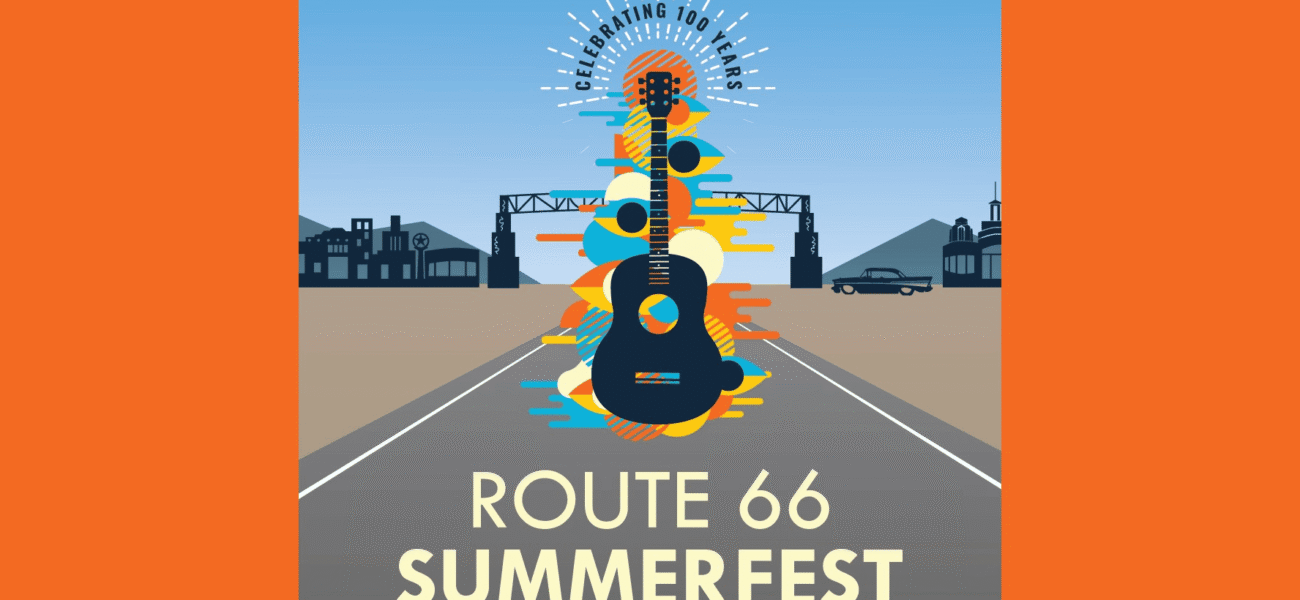
Organizers are putting their bets on a simple premise: give people free entertainment, food, and a sense of shared history. That means four stages with music from the last 100 years, a rather ambitious auditory sweep, and food trucks that promise everything from the Duke City melt to chile relleno egg rolls. And, crucially for the folks keeping tabs on city budgets, it’s all for free.
It’s an interesting play, particularly when one considers how effectively communities globally are attempting to monetize or preserve their pasts. You see it everywhere—from attempts to revitalize historic downtowns in small American towns to painstaking conservation projects in Old Lahore, Pakistan. The methods differ, sure, but the underlying drive? It’s often the same. People want to feel connected to something bigger, something that predates their current anxieties.
But how do you keep an ancient, or at least a very old, road relevant? Route 66 Summerfest is attempting a familiar strategy: make it palatable for the masses, make it accessible. It starts at 5 p.m., primed for the golden hour, — and it runs straight into the night. Because, let’s be honest, people respond better to an evening fête than a sweltering afternoon under the New Mexico sun.
These kinds of street festivals, ostensibly local, often mask a deeper economic imperative. They’re designed to draw crowds, yes, but more importantly, to encourage discretionary spending—a micro-stimulus package for local businesses that rarely makes headlines. The City of Albuquerque’s annual budget for special events like this often factors into projections for retail and hospitality upticks, and while specific figures for Summerfest aren’t always broken out publicly, events of this scale are often supported by municipal allocations that easily run into six figures.
It’s the civic equivalent of cultural soft power, isn’t it? Convince folks their shared past is vibrant, and maybe they’ll hang around a little longer, buy another green chile lemonade. It’s a strategy as old as the Silk Road, which, too, relied on perceived value — and safe passage. Though, presumably, with less green chile.
📄 POLICY WIRE WHITEPAPER PUBLISHED: PAKISTAN'S NATIONAL SECURITY POLICY PRIORITIES
👉 READ BY CLICKING HEREThis weekend’s spectacle on Nob Hill certainly aims to activate that local commercial corridor, something every mayor and city councilor craves. And, if the last few decades are any guide, events leveraging nostalgia for the iconic route do generally pay off. A 2012 study by the World Monuments Fund estimated that global heritage tourism contributed more than $3.2 trillion to the global economy that year, directly supporting tens of millions of jobs. That’s a serious number, one even a local festival, however humble, ultimately plugs into.
You can see why places like Albuquerque double down on their heritage. There’s a certain magic in the idea of a road trip, of unburdened freedom—a dream that, in many forms, has captivated imaginations far beyond America’s borders. For those watching economic indicators, and not just the performers on stage, the true performance is whether this temporary blast from the past generates sustainable revenue for Nob Hill. It’s an American drama, playing out on a dusty, legendary stage.
What This Means
On its face, the Route 66 Summerfest is just a weekend party. But look closer, — and you see something more layered. It’s a pragmatic urban development play, subtly camouflaged in nostalgia. In an era where local businesses grapple with online competition and shifting consumer habits, events like this aren’t mere entertainment; they’re direct interventions meant to pump money into storefronts and restaurants. When Central will shut down for four stages with music from the last 100 years and food trucks with a variety of Route 66 food plus fun and games for all ages, all for free, it’s not simply a gift; it’s an investment.
Economically, it’s a bet on experience. You can’t download a Duke City melt or stream the scent of roasting green chiles. This sort of direct, sensory engagement creates value that online retail can’t replicate. Politically, it signals a city government committed to its distinct identity—or at least, its ability to market it. It says, ‘we remember our past, and we’re willing to invest in it for future prosperity.’ It’s about leveraging local character for global appeal. It’s not so different from how the bustling night bazaars of Karachi, Pakistan, or the cultural festivals around historical sites like Taxila, attempt to blend heritage with modern commerce—creating economic opportunities under the guise of cultural celebration.
These local festivals contribute to a national narrative, too. As larger narratives sometimes wane, smaller, localized stories of resilience — and charm become all the more important. They shore up civic pride, which, if you’re a policy analyst, translates to more stable communities and a populace perhaps less inclined to pack up and move. Ultimately, the success of the Summerfest—like similar, hyper-local efforts in cities worldwide—will be measured not just in attendance, but in the sustained vibrancy of Nob Hill’s economy. The challenge, of course, is keeping that nostalgia fresh, not letting it become just another predictable rehash. Because people don’t keep returning for the same old song and dance—even if it’s music from the last 100 years—unless there’s real innovation under the hood. You know?