

Dallas’s World Cup Swansong: Behind the Glitz, a Peculiar Quest for Shade—and Global Status
POLICY WIRE — Arlington, Texas — For a venue accustomed to bombastic indoor pyrotechnics and larger-than-life Jumbotron spectacles, the 2026 FIFA World Cup delivered an unexpected kind of drama...

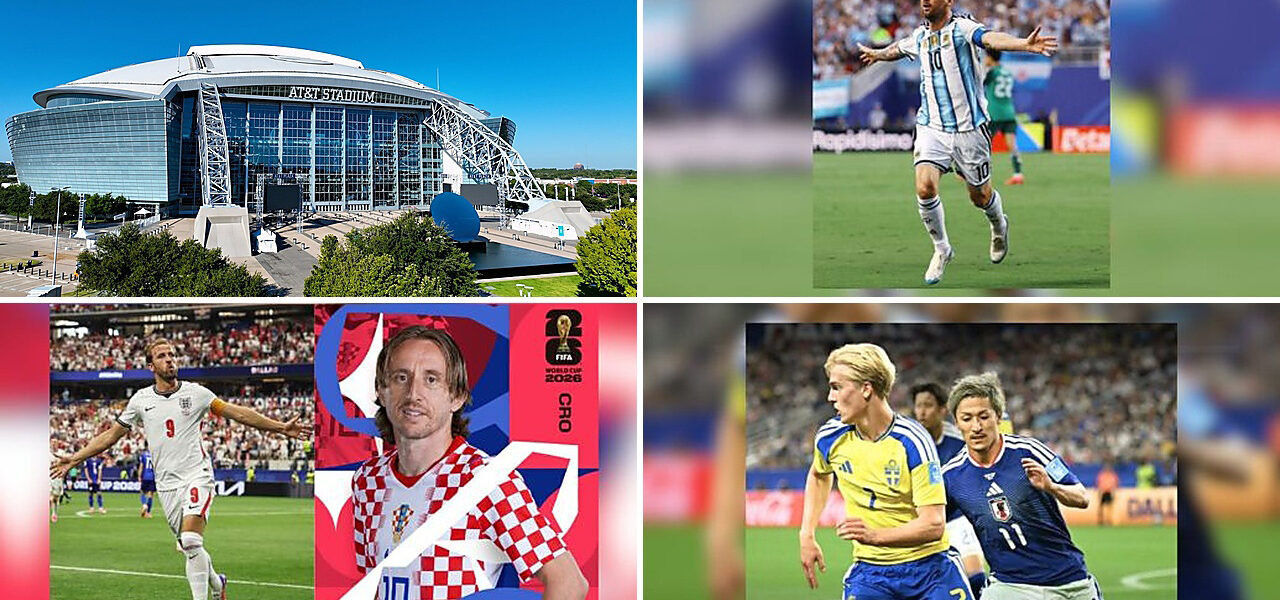
POLICY WIRE — Arlington, Texas — For a venue accustomed to bombastic indoor pyrotechnics and larger-than-life Jumbotron spectacles, the 2026 FIFA World Cup delivered an unexpected kind of drama inside Dallas Stadium: A temporary solution to a persistent, blinding sunbeam. Yes, indeed. While the world watched Spain carve a path to the final, here in North Texas, organizers were busy wrestling with an issue usually relegated to residential HOA meetings: glare. They hung black curtains along the stadium’s west-facing glass—a novel, last-minute fix for a problem Cowboys owner Jerry Jones has apparently brushed off for ages in NFL games. A simple curtain, you might think. But it underscores the curious blend of high stakes and prosaic snags that define massive global events when they touch down on American soil. And it offers a peek behind the glitzy facade of world-class sport, hinting at a broader push for influence that goes far beyond who nets the winning goal.
Nine matches later, with Spain’s clinical 2-0 semifinal win over France as its final act, Arlington has officially punched out from World Cup duties. They’ve done their bit. But it wasn’t just about the goals. This hosting stint, the most extensive for any venue in the tournament, wasn’t merely a series of football games. It was a calculated play for global standing, a chance for North Texas to strut its stuff, flaws — and all.
Consider the raw power of the beautiful game: Argentina’s maestro, Lionel Messi, rewrote history on this very pitch, shattering Miroslav Klose’s World Cup scoring record with 18 goals after a two-goal masterclass against Austria. He did it in front of a capacity crowd, electrifying fans—many of whom traveled vast distances to catch a glimpse of greatness. That night, an entire state claimed a permanent, gilded piece of football lore. And it’s those moments, really, that organizers bank on. They transcend language barriers; they fuel economic engines. “The World Cup brought an unprecedented spotlight onto North Texas, drawing visitors and investments we might never have seen otherwise,” declared Arlington Mayor Jim Ross, beaming, after the final whistle. “It’s put us firmly on the global map for future endeavors, proving we can handle anything thrown our way—even the Texan sun.”
Beyond the superstars, you had breakout performances: FC Dallas’s own Petar Musa, scoring for Croatia against England. You saw surprises, too, like Egypt’s historic run to the Round of 16, besting Australia on penalties—a moment of unbridled national pride that resonated deeply across North Africa and parts of the Muslim world, showcasing the tournament’s immense cultural heft even when a team’s journey ends sooner than hoped. For millions watching from Casablanca to Karachi, these tournaments aren’t just games; they’re narratives of national identity played out on a global stage. The sheer spectacle itself, broadcast into countless homes, subtly alters perceptions and deepens connections—sometimes in ways politicians couldn’t dream of.
Logistically, it was a beast. Nine matches isn’t just a number; it’s a parade of logistics. Thousands of staff, intricate security, transportation challenges for immense crowds, even a frantic, temporary re-rigging of a stadium’s fundamental architecture—all of it plays out against the backdrop of an ongoing sports-industrial complex. The region, according to the Dallas Sports Commission, expects an economic impact north of $400 million from its hosting duties alone, a hard figure reflecting not just ticket sales but tourism, hospitality, and peripheral businesses.
📄 POLICY WIRE WHITEPAPER PUBLISHED: PAKISTAN'S NATIONAL SECURITY POLICY PRIORITIES
👉 READ BY CLICKING HEREWhat This Means
Arlington’s recent World Cup tenure isn’t just about football results; it’s a dry run, a high-stakes dress rehearsal for future bids. Every successful major event bolsters a city’s resume. This run demonstrates North Texas’s capability to manage sprawling, internationally significant tournaments—a big selling point for everything from future World Cups to potentially even Olympic events. It forces infrastructural upgrades and hones local officials’ coordination skills in real-time crisis management (the curtain fiasco, however minor, being a prime example). But it also brings a different kind of challenge, the glare of increased international scrutiny, which can be a double-edged sword. “Successfully hosting an event of this scale proves our operational prowess, no doubt about it. We had our moments, sure, but we adapted. We always do,” noted Sarah Jenkins, a spokesperson for the local organizing committee. Her tone, a practiced blend of bravado and mild exasperation, suggested an experience both rewarding and thoroughly exhausting.
Economically, that projected $400 million isn’t just numbers on a page; it translates into jobs, tourist dollars circulating through local businesses, and an indelible boost to regional prestige that might well influence future corporate relocations or investments. But like any big gamble, there are always downstream effects and unexpected costs—a balancing act Texas knows well. The biggest takeaway, beyond Messi’s magic or Spain’s tactical genius? Perhaps it’s a lesson in resourcefulness and adaptability, even if that means a multibillion-dollar stadium needs a cheap fix to fight the Texas sun. The world watched. And Texas, curtains — and all, delivered a spectacle.