


Ohtani’s Knee Fluid: Dodgers Star Navigates Health, Global Economic Pressure
POLICY WIRE — Philadelphia, USA — When you’re an economic engine masquerading as a baseball player, even a minor biological hiccup gets the world’s attention. Shohei Ohtani, that...

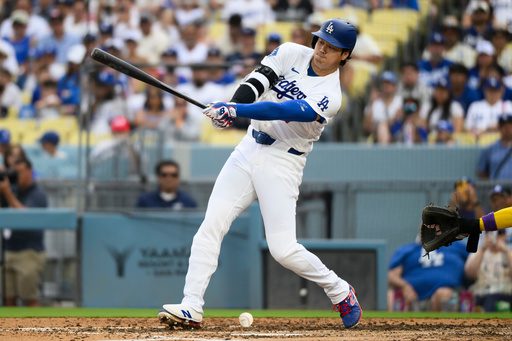
POLICY WIRE — Philadelphia, USA — When you’re an economic engine masquerading as a baseball player, even a minor biological hiccup gets the world’s attention. Shohei Ohtani, that multi-talented phenomenon for the Los Angeles Dodgers, found himself undergoing a procedure typically reserved for older folks after a weekend spent doing what he does best: smashing baseballs and baffling hitters. But instead of the usual adulation, there was the less glamorous draining of fluid from his left knee. Just another Tuesday in the high-stakes theater of professional sports, huh?
It’s a peculiar irony, isn’t it? One minute, you’re commanding an unparalleled global following, an athlete of mythic proportion; the next, your employer’s discussing your internal plumbing with the gravitas of a geopolitical summit. This week, it seems Ohtani was busy— not with All-Star theatrics, which he skipped, but with his body’s unscheduled maintenance. Dodgers manager Dave Roberts relayed on Tuesday that Ohtani had the procedure to relieve irritation following Sunday’s game, an offhand revelation that probably sent more than a few team investors — and certainly millions of fans — into a cold sweat. Good thing, they’ll say, that it was a mere draining, — and not an injection, according to Roberts.
Because every swing of Ohtani’s bat, every pitch hurled from his arm, isn’t just about runs or strikes; it’s about merchandise sales from Tokyo to Toronto, it’s about advertising revenue, and it’s about the staggering market valuation of a global brand. That’s what Ohtani has become. And the team needs him, bad. He’s going to be in the lineup, Roberts affirmed, which means he’ll likely be patrolling first base as a designated hitter when the two-time World Series champion Dodgers kick off their three-game series against the New York Yankees this Friday at Yankee Stadium. No easing back in for this guy; it’s straight into one of baseball’s most storied rivalries.
But can he pitch? That’s the multi-million dollar question — or maybe a half-billion dollar question, depending on your latest salary cap estimates. Roberts’ candor on the matter was succinct, telling reporters [QUOTE_PLACEHOLDER]. You gotta appreciate the bluntness. He last pitched on July 3, an eternity for fans constantly scrutinizing his every move. This dual-threat ability is what makes Ohtani an almost singular force in contemporary sports, and frankly, it’s the financial anchor for a massive chunk of Major League Baseball’s international outreach.
You can see it in his numbers, which are, frankly, ridiculous. Before this little knee intermission, Ohtani was hitting .293 with 22 homers and 58 RBIs, truly MVP-caliber offensive production. And when he’s on the mound? He’s logged an astonishing 8-2 record with a sparkling 1.79 ERA and 95 strikeouts in 85 2/3 innings over 14 starts, according to the Associated Press. Those aren’t just stats; they’re revenue streams. They’re prime-time slots. They’re the kind of data points that make network executives salivate and fans—from Osaka to Omaha—tune in. Because who doesn’t love watching history in the making?
This isn’t just about baseball anymore, not really. It’s about global commerce, — and the fragility of human capital in a hyper-capitalist world. His availability, especially as a pitcher, has implications far beyond the diamond. Think about the nascent yet growing interest in American baseball in regions like Pakistan and other South Asian nations—countries with massive youth populations and burgeoning media markets. While cricket remains king, figures like Ohtani transcend sport, embodying a cross-cultural athletic ideal that broadcasters and advertisers are increasingly keen to leverage. His performance and marketability create ripple effects, drawing new eyes, new money, and new sponsorship opportunities into the game, extending baseball’s reach to populations often overlooked by traditional narratives.
📄 POLICY WIRE WHITEPAPER PUBLISHED: PAKISTAN'S NATIONAL SECURITY POLICY PRIORITIES
👉 READ BY CLICKING HEREThis episode is a stark reminder that even athletes commanding stratospheric salaries aren’t immune to the body’s simple complaints. They’re biological beings first, economic assets second. And that’s a tough line to walk when you’ve got billions riding on your joints. It shows you the inherent risk-reward calculations inherent in contracts like Ohtani’s, not just for the player, but for the team and league that have invested so heavily.
What This Means
Ohtani’s knee fluid draining isn’t merely a baseball injury update; it’s a window into the economics of peak human performance, where an athlete’s physical well-being directly impacts global financial markets and cultural diplomacy. The Dodgers’ investment in Ohtani isn’t just for wins and losses; it’s an investment in a global brand that influences media rights, merchandise sales, and even potentially international relations through soft power. A downturn in his unique two-way capabilities could mean a tangible dip in these returns.
Politically, the handling of such a high-profile athlete, particularly one of Ohtani’s stature from Japan, can even carry diplomatic undertones. Japan watches its sports heroes with immense pride; any misstep in managing Ohtani’s health or career by an American franchise can be perceived negatively on a national stage. This event, however minor, highlights how global economics now shape the careers—and bodies—of elite athletes. The decisions around his continued pitching, especially after such an impressive start, aren’t just managerial calls; they’re financial ones, balancing short-term competitive advantage against long-term asset preservation. Because you can’t buy this kind of star power, but you sure can manage it.