


New Mexico’s Golden Cradle: Can ‘Baby Bonds’ Rechart Destiny — Or Just Spark a Brawl?
POLICY WIRE — Santa Fe, N.M. — It’s a notion that rattles the entrenched poverty narrative, an idea audacious enough to make fiscal conservatives twitch and economic egalitarians swoon: what if a...

POLICY WIRE — Santa Fe, N.M. — It’s a notion that rattles the entrenched poverty narrative, an idea audacious enough to make fiscal conservatives twitch and economic egalitarians swoon: what if a state could, quite literally, buy its kids a future?
New Mexico, often saddled with perceptions of economic struggle and a deeply ingrained scarcity mindset (as one official frankly put it), is now looking squarely at a novel—some would say radical—solution. Not a handout, mind you. But a structural economic intervention designed to yank a generation of young New Mexicans out of inherited financial quicksand. And it’s being spearheaded by the state’s Treasurer, Laura M. Montoya, who sees a direct pipeline from the state’s burgeoning coffers to individual children’s futures.
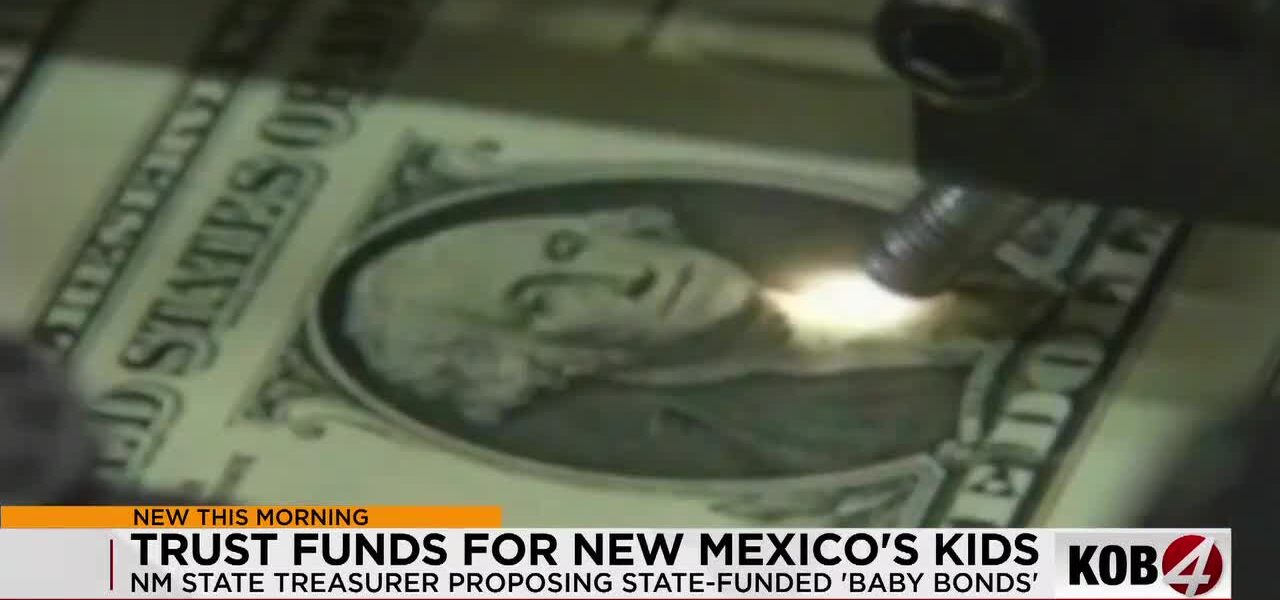
Montoya isn’t just talking policy; she’s talking mindset. “A lot of us grew up poor, we think poor,” she declared recently, pulling no punches. “We need to start thinking bigger and brighter for our people.” It’s a potent, if somewhat uncomfortable, truth for a state perennially ranked low in child welfare and economic opportunity metrics. Her solution, dubbed “baby bonds,” is essentially a state-funded trust, automatically seeded with $7,000 for every child born within the Land of Enchantment. By the time that kid turns 18, that initial investment is projected to balloon into a tidy sum—about $20,000 to $25,000—ready for college, a down payment on a home, or even a nascent business venture. It’s a direct response to a looming question: how do you break the cycle?
And yes, the cost is staggering—an estimated $700 million to kickstart the program. But where’s the money coming from? Montoya has a gaze firmly fixed on the state’s massive, some might say embarrassingly large, sovereign wealth fund. It’s now swelled past $68 billion, largely fueled by a bonanza of oil — and gas revenues. That’s a sum that has some wondering if the state isn’t just sitting on an intergenerational goldmine. She believes this fund, built on resources extracted from the land, holds a moral obligation to benefit all its future stewards.
Naturally, not everyone is cheering. Republican state Representative Jack Chatfield, a staunch conservative from District 67, didn’t mince words. “I think the direct gift of money to an individual is probably the definition of violation of the Anti-Donation Clause,” he stated flatly, echoing sentiments held by many on the right who see government cash transfers as a slippery slope toward socialism or outright patronage. It’s the age-old debate: personal responsibility versus collective investment, framed against the backdrop of constitutional propriety.
But the proponents argue the return isn’t just financial; it’s societal. A newly-released report (though not yet universally vetted) projects baby bonds could keep nearly 1,900 New Mexicans per birth year from packing up and leaving the state. And the big economic promise? It could inject a healthy $90 million directly into the state’s Gross Domestic Product. That’s not pocket change; it’s an economic jolt. Because, frankly, a populace that’s educated and can afford homes or start businesses isn’t just individually better off; it’s a more productive tax base, less reliant on state-funded assistance.
Montoya herself characterizes the initiative as a “leg up,” distinguishing it sharply from a mere “handout.” She believes it imbues children with an inherent belief that someone—their collective community, via the state—believed in their potential enough to put hard cash on the line for their future. It’s not universal free money; it’s a seed, designed to germinate into broader opportunity.
📄 POLICY WIRE WHITEPAPER PUBLISHED: PAKISTAN'S NATIONAL SECURITY POLICY PRIORITIES
👉 READ BY CLICKING HEREWhat This Means
This isn’t just another dry piece of legislation; it’s a socio-economic tremor in the arid landscapes of the Southwest. Politically, if this bill manages to clear the legislative hurdles (a Democrat-backed version reportedly squeaked through the House in 2025 before stalling), it would redefine the role of state government. It would pivot from being merely a regulator and service provider to an active, direct investor in its youngest citizens’ financial well-being. It’s a move that resonates with some sovereign wealth funds globally—think Norway’s expansive model—where resource wealth is explicitly funneled into intergenerational equity. Compare this to debates in many parts of the Muslim world, including Pakistan, where managing state resources (whether from natural wealth, foreign aid, or taxation) for equitable future development remains a persistent, often divisive, challenge against immediate fiscal pressures and vested interests.
Economically, if successful, New Mexico would be pioneering a large-scale experiment in wealth redistribution and human capital investment. The potential benefits—reduced poverty, increased educational attainment, higher homeownership rates, and a more robust local economy—are alluring. But the cost and the mechanics of managing such a colossal portfolio for hundreds of thousands of future adults present administrative headaches and political flashpoints. But there’s also the very real possibility it could reduce demand for social services later down the line. It’s a calculated gamble on human potential, funded by an economic boom that might not last forever. Or maybe, just maybe, it’s the only pragmatic long-term play when you’ve got an embarrassment of riches sitting around and a persistent problem of poverty staring you down.
Ultimately, this ‘baby bond’ proposal throws down a gauntlet. It forces New Mexicans—and frankly, other states watching from the sidelines—to ask hard questions about equity, the purpose of state wealth, and just how far a government ought to go in shaping the destinies of its youngest citizens. Because a secure future for a state’s youth, regardless of their starting point, isn’t just good social policy; it’s smart economics. And in New Mexico, that conversation just got very, very real.