
Desert Deluge: New Mexico Braces for ‘Relentless’ Monsoon Onslaught
POLICY WIRE — ALBUQUERQUE, N.M. — The high desert of New Mexico, typically a study in stark, baked serenity, is bracing itself. Locals are already used to the occasional, dramatic thunderstorm. But...

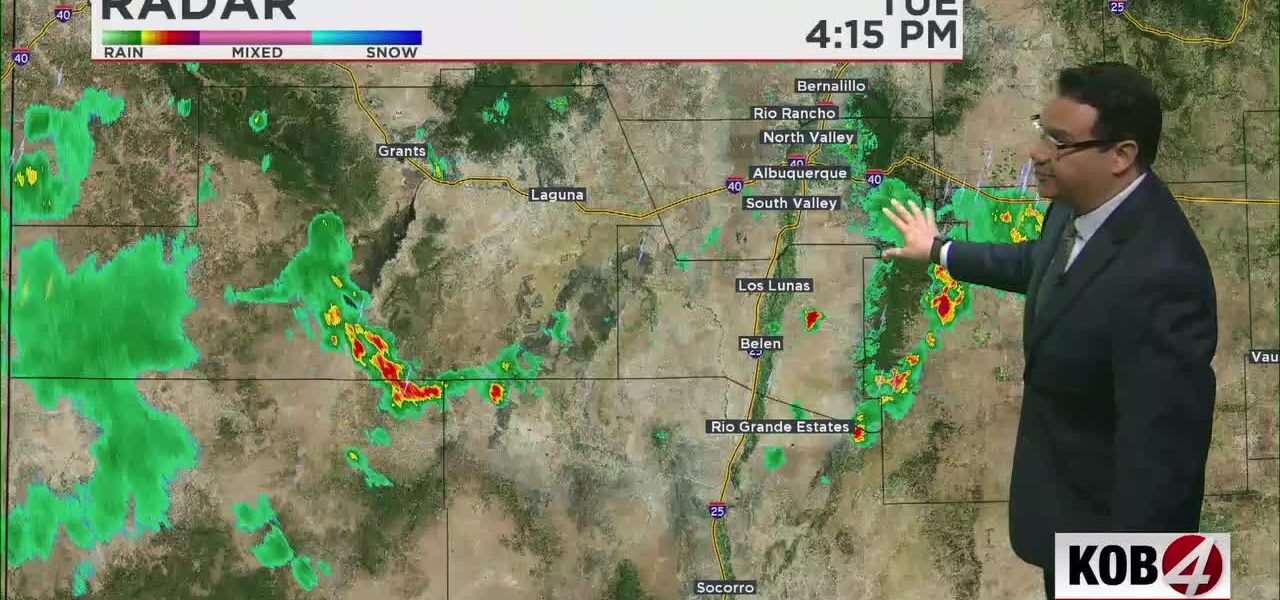
POLICY WIRE — ALBUQUERQUE, N.M. — The high desert of New Mexico, typically a study in stark, baked serenity, is bracing itself. Locals are already used to the occasional, dramatic thunderstorm. But what’s rolling in this week? That’s not a polite summer shower. Not even close. We’re talking about an impending deluge, a sustained monsoon push threatening widespread flash floods, the kind that re-draw the landscape — temporarily, if you’re lucky.
It began subtly enough. A rumble here, a brief, furious downpour there—the usual mid-summer rhythm. Wednesday brought heavier stuff, yes, especially across places like Albuquerque — and Santa Fe. But it’s Thursday through Saturday where things get properly grim, meteorologically speaking. Experts warn a much more active monsoon pattern is going to absolutely dump rain across swaths of the state. It isn’s just heavy; it’s persistent, — and that’s the killer.
“This isn’t your grandma’s afternoon sprinkle, not by a long shot,” said Dr. Elena Rodriguez, a seasoned State Meteorologist, her voice tight with a seriousness that cut through the usual jargon. “We’re talking widespread, relentless moisture—the kind that makes rivers where there weren’t any, especially in those susceptible burn scars. Folks, they need to take this seriously.”
The danger ratchets up daily. Thursday, the risk was low for Ruidoso, where recent wildfires stripped the land bare, leaving it vulnerable to catastrophic runoff. By Friday — and into Saturday, that danger spikes. It’s not just Ruidoso; other sections of western and central New Mexico are also under the gun, particularly if rain bands keep slamming the same spot over and over. That’s how a small arroyo becomes a raging torrent. It happens fast. But how do you prepare for that?
Because, really, when you live in a place famed for its dryness, the thought of too much water feels almost foreign. But then it comes—like it always does in some corners of the world, from Arizona to Pakistan’s Indus River basin—a reminder that water, life-giving as it’s, can turn into a destroyer in an instant if not managed. Pakistan, for instance, grapples annually with monsoon extremes that can cripple infrastructure and displace millions, echoing challenges of water management and climate resilience that become global talking points during such crises.
And let’s not forget the usual suspects that come with these storms: the erratic, violent wind gusts; small, icy hail; and a light show from frequent cloud-to-ground lightning that’s breathtakingly beautiful until it fries your power transformer. High temperatures? They’ll cool off some, sure, what with all the cloud cover — and precipitation. It’s a trade-off, but probably not the one most folks asked for.
📄 POLICY WIRE WHITEPAPER PUBLISHED: PAKISTAN'S NATIONAL SECURITY POLICY PRIORITIES
👉 READ BY CLICKING HERE“Folks get complacent, you know?” observed Miguel Torres, New Mexico’s Emergency Management Coordinator, during a hastily arranged virtual briefing. His office is, understandably, a humming hive of urgent activity. “They forget how quickly a dry wash can become a death trap. Our messaging? It’s simple: get out of the way. Don’t chance it, especially after we’ve averaged over 1,500 flood warnings annually here from the National Weather Service in Albuquerque over the past five years. That’s not just a number; it’s a warning, painted stark white against the sand.”
What This Means
Economically, a major flood event could wreak havoc on local infrastructure and small businesses, interrupting tourism during a peak season and forcing costly repairs. Farmers, already navigating challenging growing seasons, face unpredictable gains or devastating losses depending on the timing and severity of the rainfall; too much, too fast, washes out crops. Politically, local and state officials are walking a tightrope—they need to be seen as proactive, communicative, and ready for deployment. Any misstep, any delay in aid or warnings, — and they’ll be facing an electoral backlash long after the water recedes.
And the larger implications aren’t lost on anyone watching. This isn’t just a New Mexico problem; it’s a micro-snapshot of macro climate shifts. Extreme weather events, once outliers, are nudging their way into becoming the norm, forcing states—and indeed, nations—to rethink their infrastructure, emergency protocols, and long-term water management strategies. It puts pressure on everything, from agricultural policy to housing development, turning every raindrop into a potential policy debate. It’s a dance between nature’s escalating power and human attempts to adapt—a struggle many regions, like those in the Muslim world experiencing climate upheaval, are finding increasingly familiar. But for now, New Mexico’s immediate future is painted in shades of gray — and the distinct sound of pounding rain. And as the planet continues its unpredictable atmospheric shifts, such localized crises contribute to a broader global conversation about shadow outbreaks of global challenges and unpreparedness. But let’s hope this one only means inconvenience, not disaster.