


Hollywood’s Billion-Dollar Battle: States Challenge Approved Media Megamerger
POLICY WIRE — New York, U.S. — In an era when presidential blessings often signal a done deal, a dozen states just sent a rather pointed message: Not so fast. The seemingly rubber-stamped,...

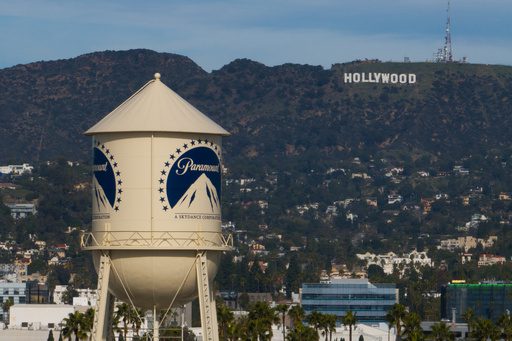
POLICY WIRE — New York, U.S. — In an era when presidential blessings often signal a done deal, a dozen states just sent a rather pointed message: Not so fast. The seemingly rubber-stamped, mega-billion-dollar marriage between Paramount — and Warner Bros. Discovery is facing a blunt challenge, despite already getting a nod from the Trump administration. It’s a remarkable legal punch, landed well after the traditional window for such antitrust skirmishes, raising hackles and eyebrows across Washington D.C. and Burbank.
It turns out that even with shareholders’ approval already secured and Washington’s implicit blessing, some folks reckon the colossal media amalgamation might just be a terrible idea for everyone who isn’t a C-suite executive. These states aren’t buying the party line. They’ve come to bat, alleging that the combined entity would do more than just dominate the airwaves; it𠆝 effectively 𠇎xtinguish competition” across Hollywood. But perhaps more compelling than the legal niceties is the uncomfortable whisper that this whole drama, with its powerful political undercurrents, is truly about influence—the kind that shapes not just what we watch, but what we know. [QUOTE_PLACEHOLDER]
California Attorney General Rob Bonta, the head honcho on this particular crusade, didn’t mince words at a recent news conference. He spelled it out plain: “ audiences on every sofa and in every movie (theater) seat would feel the impact of this unlawful merger.” He suggested consumers would get hit with steeper prices, fewer choices on screens big and small, and a noticeable dip in quality. Think about it—Warner’s HBO Max, its libraries stuffed with fan favorites like Harry Potter, and even the perpetually watched CNN, all nestled under Paramount’s CBS and its Paramount+ streaming umbrella. And that’s before you even consider how a monster like that could “inflict substantial harm” on independent movie houses and humble cable distributors.
And then there’s the raw number: the proposed purchase of Warner, when you tack on all that pesky debt, is valued at nearly $111 billion. That’s according to industry figures published in the original reporting, a sum so vast it makes many national budgets seem like pocket change. Critics contend that combining two of Hollywood’s last five legacy studios just squeezes the industry tighter, leaving less room for the little guy—be it a small production company or even a freelance creative.
But the corporate behemoths, predictably, aren’t exactly cowering. Paramount—fresh off its own acquisition by Skydance just last year, an irony not lost on industry observers—fired back hard. They said the lawsuit 𠇍istorts settled antitrust law” and argued, with a straight face, that this grand unification would actually birth a “stronger competitor against dominant streaming and technology platforms.” It’s the classic corporate move: arguing that becoming bigger somehow fosters competition, rather than stifling it. It’s a tricky argument, especially when one considers that the resulting entity could control almost a third of both theatrical film distribution and basic cable programming, globally. They’ve vowed to “vigorously defend” the transaction, even if it means dragging the courts into a messy, prolonged dispute.
Warner, naturally, just deferred to Paramount for comment, because what else are you going to do when you’re in the middle of being absorbed? But let’s be honest, this whole situation is far from settled. States like Arizona, Colorado, Connecticut, Massachusetts, Minnesota, Nevada, New Jersey, New Mexico, New York, Oregon, and Washington have all joined California in this unusual coalition. And they’re not just grumbling; they’re asking both companies to hit the brakes on the merger “until after the judicial process concludes.” If they don’t get what they want, a temporary restraining order is apparently the next play.
📄 POLICY WIRE WHITEPAPER PUBLISHED: PAKISTAN'S NATIONAL SECURITY POLICY PRIORITIES
👉 READ BY CLICKING HEREBeyond America’s shores, this corporate power play could have ripples far — and wide. Imagine a landscape where fewer, larger gatekeepers dictate what media content reaches markets across South Asia. In countries like Pakistan, for instance, which consumes a broad spectrum of international media, the narratives and viewpoints presented can heavily influence public discourse. If mega-mergers create fewer, more homogenous content producers, the diversity of storytelling—including content reflecting varied global perspectives—could suffer. This isn’t some abstract theoretical issue; it shapes everything from film availability to news reporting, potentially narrowing the lens through which millions view global events. That’s something to think about the next time you’re flipping through streaming options, or if, heaven forbid, a particular news channel becomes an even bigger target for political machinations.
What This Means
This whole kerfuffle goes way beyond popcorn prices — and subscription fees; it’s a naked political chess match. You’ve got state attorneys general, mostly Democrats (surprise, surprise, no Republicans signed on), openly questioning why the Justice Department under Trump essentially waved this deal through. They’re practically yelling about it. Arizona Attorney General Kris Mayes cut right to the chase, pointing a finger at the president’s coziness with Paramount CEO David Ellison’s billionaire family. “ Something happened and perhaps that something had to do with a mega-billionaire named Ellison,” she stated, rather directly. It isn’t often you hear a top state legal officer suggesting impropriety quite so plainly.
But there’s another layer: CNN. It’s long been a burr under Trump’s saddle, and the prospect of it falling under new ownership (particularly an ownership potentially friendly to the current administration) raises some gnarly questions about editorial independence and the future of journalism. Remember how several Trump administration officials, like Defense Secretary Pete Hegseth, openly mused about wishing David Ellison would take over CNN sooner? Yeah. You’ve gotta wonder. The Justice Department insists politics played no part in its decision, maintaining a Paramount-Warner combo would “increase competition across the media and entertainment ecosystem, with benefits for American consumers and workers.” Many aren’t buying it.
Economically, if this merger happens, we’re looking at an even more concentrated media landscape. This isn’t great news for freelancers, actors, writers, or any of the thousands of entertainment professionals who depend on a diverse market for work. Groups like the Writers Guild of America, who’ve “unequivocal opposition” to the deal, foresee “ fewer jobs, lower wages for entertainment workers, less variety of programming, and higher prices for consumers.” That’s a pretty bleak outlook, isn’t it? On the flip side, the merging companies argue delaying the deal would “only harm entertainment workers who have already suffered over recent years as technology has disrupted their livelihood.” It’s a classic “jobs versus competition” argument, but one where the jobs might be — wait for it — concentrated into fewer hands. It’s also a strategic shot across the bow of streaming titans like Netflix, which the merging parties suggest this deal helps keep in check. This case, though, seems destined for a courtroom slugfest that could drag on, injecting a messy uncertainty into Hollywood’s corporate power struggle.