

South Sudan’s Endless Encore: Commissioner’s Death Reignites Familiar Flames
POLICY WIRE — JUBA, South Sudan — Sometimes, it feels like déjà vu, doesn’t it? Another body, another outburst of anger, another whispered promise of peace going up in smoke. It’s a...

POLICY WIRE — JUBA, South Sudan — Sometimes, it feels like déjà vu, doesn’t it? Another body, another outburst of anger, another whispered promise of peace going up in smoke. It’s a weary pattern here, one folks in the halls of international power sometimes gloss over. Just this week, word arrived of Benjamin Nyok, the government commissioner for Abyei — a contentious region, no surprise there — gunned down. But his death, while grim, isn’t just a singular tragedy. No, it’s another harsh note in South Sudan’s perpetual, discordant symphony of unrest, reminding everyone how razor-thin this ‘peace’ always seems.
It’s not often a simple act of violence remains simple here. Nyok, an appointee of President Salva Kiir’s administration, was reportedly ambushed along with his bodyguard on the notoriously volatile Juba-Bor highway. It’s a route notorious for these sorts of brutal acts. This wasn’t some random roadside scuffle; this was targeted. And when a figure like a regional commissioner gets cut down, you don’t just see a grieving family; you see ripples of unease spread across an already shaky political landscape. Everyone’s wondering if the fragile unity government, itself a patchwork quilt of former rivals, can really hold.
The condemnations were swift, predictable even. President Salva Kiir’s office wasted no time. “This incident, while regrettable, won’t derail our path toward lasting peace. We’re committed to justice and stability, ensuring those responsible face the full weight of the law,” asserted Kiir’s spokesman Ateny Wek Ateny, reflecting the government’s official line that it’s all under control. But then you hear from the other side, or what’s left of it. First Vice President Riek Machar’s camp didn’t mince words either, just differently. “The cycle of targeted killings reflects a deeper breakdown of security apparatus and trust,” a source close to Machar’s inner circle relayed, carefully attributed to his official channels. “It’s incumbent upon all parties to examine why these violent acts continue, rather than dismissing them as isolated events.” He’s got a point. You can only call something ‘isolated’ so many times before it starts looking like a pattern.
And that’s the rub, isn’t it? South Sudan, a nation born in hope, has been trapped in a nearly continuous state of internal conflict since 2013, barely two years after gaining independence. This commissioner’s killing fits neatly into a long, disturbing lineage of targeted violence that consistently complicates, if not outright shatters, any momentum towards reconciliation. The stakes are monumental. Think about it: according to the UN Office for the Coordination of Humanitarian Affairs (OCHA), nearly 7.7 million South Sudanese — roughly two-thirds of the population — are expected to face severe food insecurity this year alone. They’re struggling, these folks. This kind of violence makes a bad situation worse, preventing aid — and chilling any real prospects for recovery.
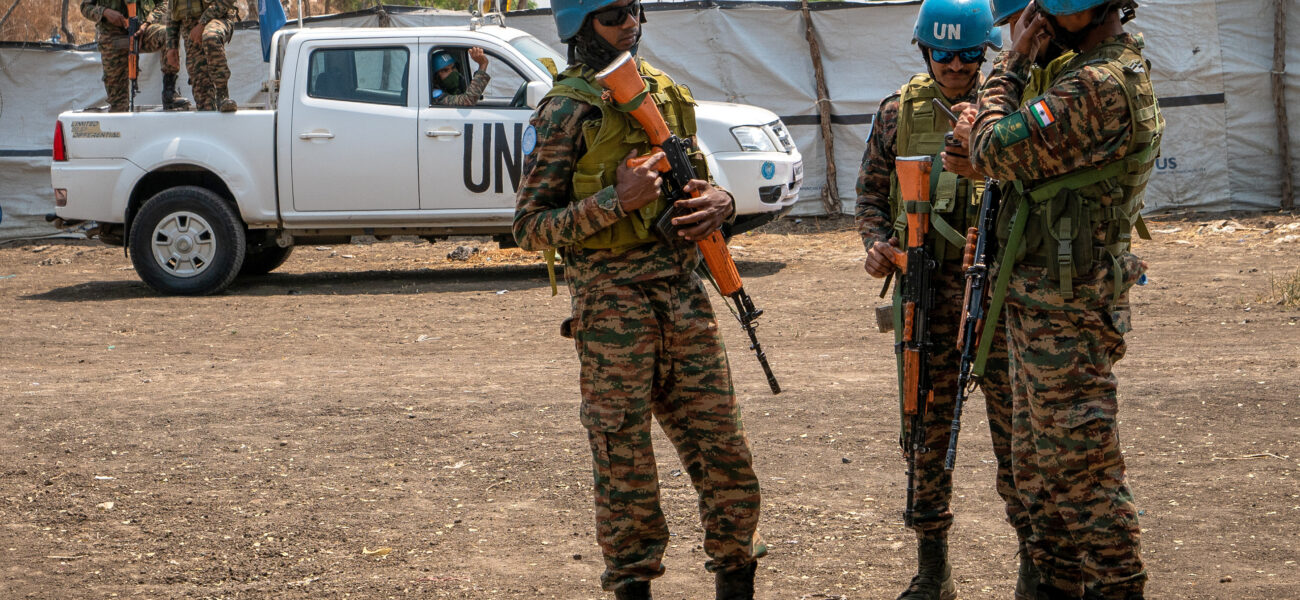
Because every time a local official dies this way, the fear grows, making it tougher for civilians to farm, to trade, to simply exist without constant dread. This isn’t just about political power; it’s about life — and death, literally, for millions of people. And for the international community, which has poured billions into stabilizing this troubled nation, it’s a stark reminder of how entrenched the divisions remain. You see nations like Pakistan, for instance, whose peacekeepers often form the backbone of fragile UN missions across the globe, doing their level best in zones where local governance often seems like a cruel joke.
📄 POLICY WIRE WHITEPAPER PUBLISHED: PAKISTAN'S NATIONAL SECURITY POLICY PRIORITIES
👉 READ BY CLICKING HEREIt begs the question: are external interventions merely bandaids on a gaping wound? We’ve seen these narratives before. From the Sahel to Syria, the echoes are grim. Sometimes diplomatic foul play isn’t just about high-profile slurs, but about the systemic, agonizing failures to prevent the wholesale collapse of security. This recent killing? It’s another proof point that the underlying grievances—land, resources, ethnic divisions—haven’t gone anywhere.
What This Means
The death of Commissioner Nyok, far from being an isolated incident, signals a dangerous escalation of factional violence that could completely unravel the already tenuous peace agreement. Politically, it empowers hardliners on all sides, making compromise tougher. Economically, it scares off what little investment might dare venture into the region, ensuring continued reliance on dwindling international aid. And what’s more, it adds another thick layer of suspicion within the power-sharing government itself, setting back efforts to unify the military and integrate rebel forces — a key provision of the 2018 peace deal. The continued insecurity will certainly fuel further displacement, exacerbate humanitarian crises, and further complicate any future electoral process. For countries attempting to stabilize the region, or even those merely keeping tabs, it means donor fatigue is likely to set in even harder. No one wants to pour good money after bad. This situation, for all its specific local dynamics, reminds us how even minor events can have outsized implications in areas prone to destabilizing forces.