
America’s Arid Heart: The Perpetual Dance of Fire and Folly in New Mexico
POLICY WIRE — Washington, D.C. — They call it fire season. But for those watching America’s arid heartland slowly—and not so slowly—combust, it’s just, well, season. The distinctions blur...

POLICY WIRE — Washington, D.C. — They call it fire season. But for those watching America’s arid heartland slowly—and not so slowly—combust, it’s just, well, season. The distinctions blur between wildfire events — and a persistent state of emergency. This isn’t just about flames licking at the heels of pine forests; it’s a stark, sun-baked declaration of shifting climatic realities, an ecological bill coming due.
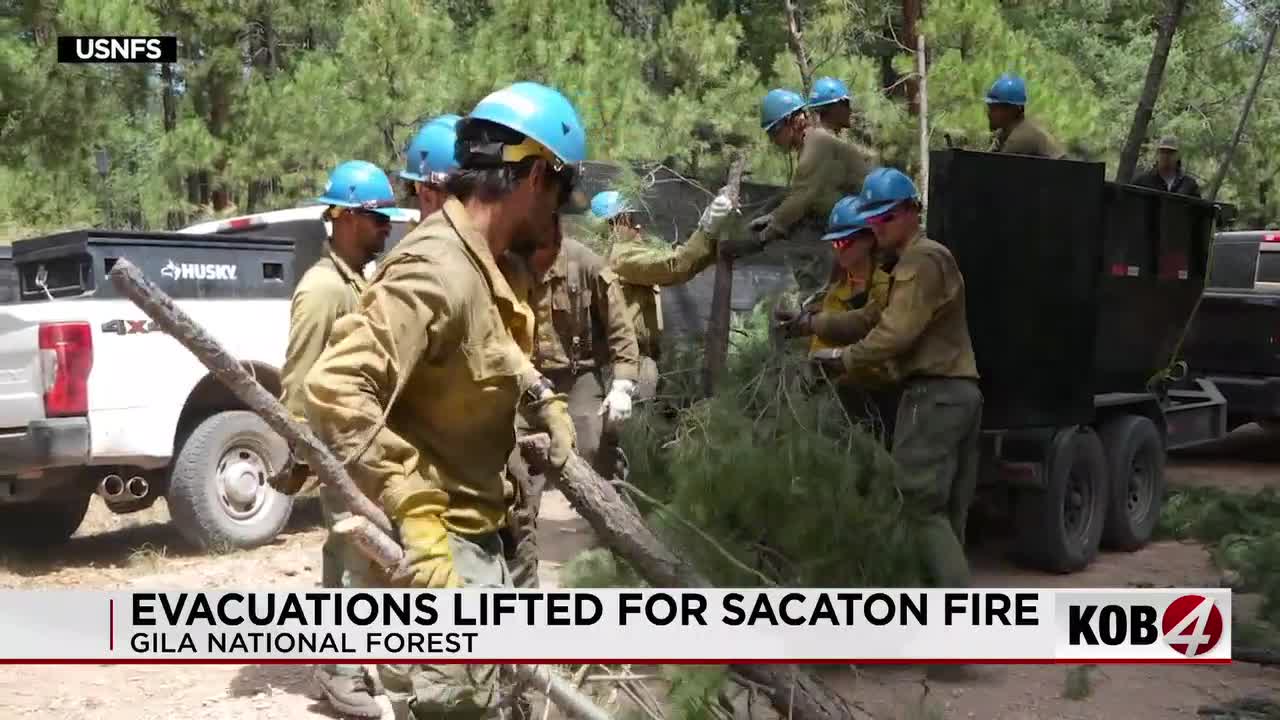
Down in the Gila National Forest, a momentary reprieve has settled, or at least a practical acknowledgment of contained chaos. Evacuations have been lifted for the Sacaton Fire in the Gila National Forest
, news that might bring a short, exhaled breath of relief to those living on the wildland’s edge. This, after fire crews reported the inferno was 57% contained after burning about 9,800 acres
, a statistic—9,800 acres—that feels simultaneously vast and depressingly common now. It’s a land area almost three times the size of a medium-sized American city, just consumed by a natural—and often human-exacerbated—process. [QUOTE_PLACEHOLDER]
But the ‘all clear’ isn’t quite all clear. A Temporary Flight Restriction remains in place over the Sacaton Fire
. Why? Because humans, bless their busy little hearts, often manage to complicate matters. And that includes those who might innocently, or not so innocently, fly a drone where it simply doesn’t belong. Officials reminded people not to fly drones or other aircraft in the area
, a request that speaks volumes about the peculiar challenges of modern fire management. Imagine battling an out-of-control blaze, with aircraft critical for water drops and reconnaissance, only to have to divert resources because someone decided their personal drone footage was worth the risk. It’s a bureaucracy of disaster, plain — and simple.
The conditions on the ground—or, more accurately, the parched ground—are telling. The region is firmly under Stage 1 Fire Restrictions
, not just because of the recent flare-up, but due to a triad of ecological woes: long-term severe drought in the region, increased tree mortality across the forest and forecast hotter, drier weather
. It’s a familiar refrain across the American Southwest, a cyclical sorrow that’s become a standard news item, yet its long-term implications for local economies and water supplies are devastating. They’ve literally watched their landscapes turn into tinderboxes. And, because common sense isn’t always common, these restrictions mean campfires on forest land are limited to designated recreation sites and campgrounds with constructed metal fire rings
, and Open burning is also prohibited in the unincorporated area of Catron County and in Catron County Fire District 30
.
For some, these restrictions feel like an impingement. For others, it’s an agonizing necessity, a belated attempt to stem a tide that might’ve already reached its crest. It’s a tightrope walk for local authorities, trying to balance public access with environmental preservation in a climate that’s demonstrably hostile. The financial drain of battling these perennial infernos alone presents an immense strain on state and federal budgets, not to mention the irreparable damage to ecosystems that simply cannot recover at the rate we’re seeing. And this pattern, while deeply felt in New Mexico, echoes across continents. You don’t have to look far to see parallels in drought-stricken regions of South Asia, where altered monsoon patterns and unchecked deforestation have turned vast tracts into equally combustible terrain. Think of Pakistan’s Indus River Basin, vital agricultural land facing intensifying water scarcity. What appears to be an isolated American problem is, in fact, just one symptom of a much larger global environmental malaise that has catastrophic socioeconomic repercussions for millions. People are struggling there just like these folks are struggling here. Perhaps even more so in areas without comparable infrastructure or immediate federal aid.
What This Means
This situation isn’t just about a localized fire; it’s a bellwether for escalating environmental policy challenges globally. For New Mexico, the ongoing drought, coupled with these large-scale fires, ensures long-term economic instability, particularly for sectors like agriculture, tourism, and real estate—assets tied directly to environmental health. Property values fluctuate, insurance costs skyrocket, and the prospect of building new infrastructure in fire-prone zones becomes less appealing for investors. This continuous environmental degradation saps federal and state resources, diverting funds that could be used for education, healthcare, or infrastructure development. It’s a resource reallocation by disaster.
Politically, the increasing frequency and intensity of these events place immense pressure on lawmakers to address climate change more aggressively, often pitting economic interests against environmental stewardship. You’re talking about constituents who depend on the forest for their livelihood, then facing mandates to restrict access to it. There’s a tangible economic argument for inaction often trumping the long-term, devastating consequences of the environment’s steady decline. But what’s often forgotten is that those long-term consequences eventually become immediate, and they’re expensive—not just in dollars, but in irreplaceable cultural heritage and quality of life. The federal government will always be on the hook, one way or another. So they should take some ownership of the underlying cause, eh?