


Socialist Tempest: Early 2028 Endorsement Ignites Internal Progressive Warfare
POLICY WIRE — New York, USA — The peculiar ritual of American politics has kicked off startlingly early this cycle, and it’s less about the grand primary contests than the gnashing of teeth...

POLICY WIRE — New York, USA — The peculiar ritual of American politics has kicked off startlingly early this cycle, and it’s less about the grand primary contests than the gnashing of teeth within its most self-examining flank. Forget 2024 for a minute; we’re already elbow-deep in the ideological mud-wrestling of 2028, and it’s the Democratic Socialists of America—an organization perpetually struggling with relevance beyond Twitter—that’s set the stage for this absurdly premature drama. They’ve effectively fractured themselves (again) over an endorsement, of all things. Yes, years before a single delegate will actually be cast, these folks are busy eating their own.
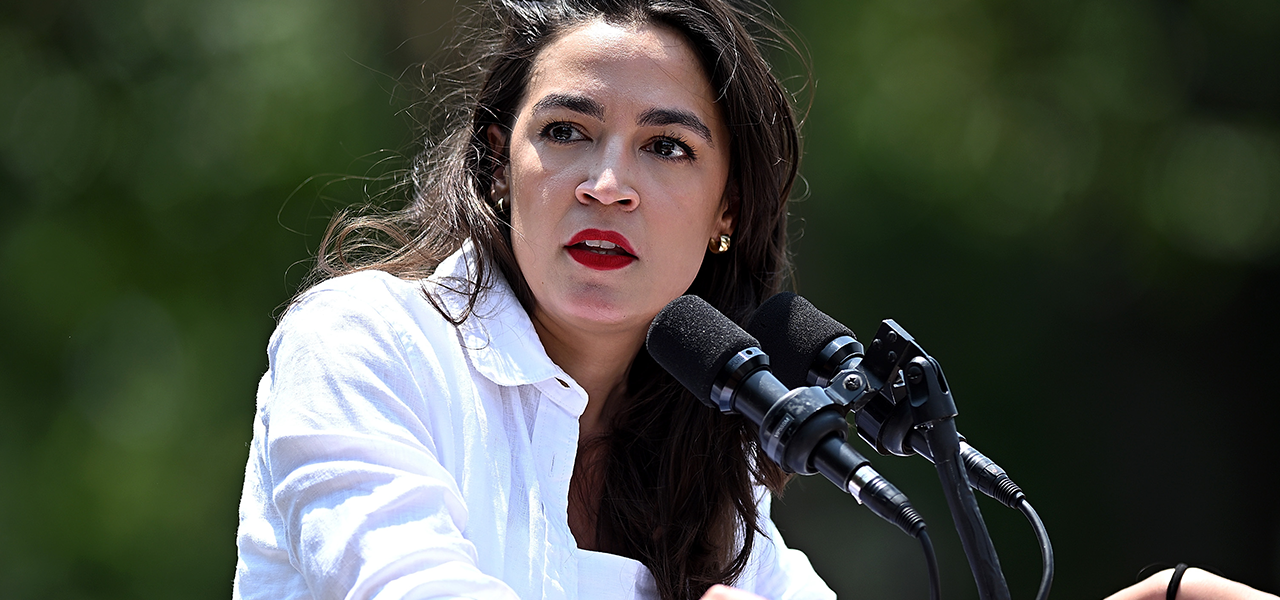
It’s a peculiar thing, watching a group so committed to collective action tie itself in knots over an individual political figure long before said figure even needs their collective backing. And let’s be frank: the speculation isn’t exactly subtle. New York’s own firebrand, Alexandria Ocasio-Cortez, remains the phantom in the room—or perhaps the proverbial camel’s nose under the tent, depending on who you’re talking to in this ever-so-fragile coalition. The whisper campaigns, the not-so-coded statements, it’s all pointed in her general direction, adding an almost theatrical layer to an already high-stakes internal squabble. But this isn’t just about her. It’s about control, ideology, — and a perhaps self-defeating purity test.
The whole brouhaha kicked off when elements within the DSA floated—or perhaps aggressively pushed—an early endorsement for a candidate aiming at the White House in ’28. Why now? Why so soon? Because the old guard, or perhaps the pragmatic realists within the democratic socialist apparatus, believe they need to plant their flag early, to influence the narrative, to stake a claim before the inevitably chaotic primary free-for-all swallows every principle. Others, though, view this as nothing short of political malpractice, a tactical blunder that might just cripple their movement before it can even truly gather steam. They’re calling it a [QUOTE_PLACEHOLDER], a kind of betrayal of process and — dare we say it — the very democratic principles they purport to uphold.
There’s a gritty, almost visceral disdain bubbling up from certain corners. [QUOTE_PLACEHOLDER] says one vocal opponent, suggesting that any rush to endorse is short-sighted, undemocratic, and perhaps even engineered to sideline other potential candidates or, more tellingly, other ideas. It’s not just a debate over tactics; it’s a full-blown argument over identity. Is the DSA a revolutionary vanguard or a pressure group nudging the Democratic Party leftward? This internal strife often leaves casual observers — and indeed, many rank-and-file members — utterly baffled. A recent internal DSA poll, which had a significant 6.5% margin of error due to low response rates, showed that only 34% of active members understood the distinction between the organization’s national political committee and its broader membership structure. This indicates a genuine disconnect that impacts effective mobilization — and communication.
And so, we see the familiar script: grand pronouncements of solidarity, followed swiftly by fierce ideological infighting. This early endorsement — or the threat of it — exposes raw nerves about the movement’s direction, its very soul. It raises questions about electability versus ideological purity, a tension that’s plagued socialist movements across the globe for decades. Just look at the fractious nature of left-leaning student groups in universities across Pakistan, for instance, where competing factions with slight doctrinal differences can often spend more energy critiquing each other’s interpretations of Marxism or social justice than uniting against common external adversaries. They’ve got their own long tradition of political bickering too. But the stakes here, at least symbolically, are national.
📄 POLICY WIRE WHITEPAPER PUBLISHED: PAKISTAN'S NATIONAL SECURITY POLICY PRIORITIES
👉 READ BY CLICKING HEREOne wonders if the impulse comes from a fear of being left behind. Maybe they see the landscape shifting so fast they feel compelled to act, to throw their limited weight behind a single horse before the field’s even set. Or, it could be a deliberate play by a particular faction, aiming to consolidate power or push a preferred narrative. Either way, it isn’t pretty. These aren’t discussions taking place in hushed tones behind closed doors; this is public, it’s loud, and it’s making an already fractured progressive ecosystem look more like a splintered collection of rival micro-factions, each with its own preferred dogma. It’s not a strong look, not if they truly aspire to be a mainstream force.
What This Means
The early eruption within the Democratic Socialists of America over a hypothetical 2028 endorsement, particularly given the speculation surrounding figures like AOC, isn’t just political theatre—it’s a bellwether. Economically, this internal squabbling could mean a significant deceleration in coherent, organized pressure for progressive economic policies (Medicare for All, Green New Deal, wealth taxes). A unified progressive front, no matter how small, can influence policy discussions, even when they don’t hold the legislative majority. A fractured one, however, struggles to even articulate a consistent message, let alone exert influence. Investors, though they rarely pay attention to the DSA’s internal machinations, should perhaps note the lack of consensus on the Left; it lessens the immediate threat of more radical economic shifts becoming mainstream policy. The market, frankly, prefers predictability over fervent internal debates on socialist theory.
Politically, this incident offers a brutal reality check on the aspirations of the DSA. It reinforces the perception of the progressive wing as chronically unable to unify, prone to purity tests, and easily sidetracked by internecine battles. This disunity will certainly weaken their negotiating position within the broader Democratic Party heading into 2028. It also makes it incredibly challenging to build effective coalitions with other progressive movements, particularly those focusing on international solidarity or economic justice in other parts of the world. Because who wants to hitch their wagon to a movement so adept at tying its own shoelaces together? It’s not a path to gaining public trust or legislative leverage, and it puts them on a decidedly perilous political tightrope. such self-inflicted wounds draw precious organizing energy away from concrete actions and divert it into endless, often circular, internal dialogues. We’ve seen how internal dissent can destabilize organizations far beyond politics. Remember how Volkswagen purged executives to unify its vision. That level of brutal clarity seems a far cry from the current DSA reality.