


Scalpels and Schisms: Israel’s Medical Schools Resist a Deeper Divide
POLICY WIRE — Jerusalem, Israel — The scalpel, they say, knows no gender. Neither should the hand wielding it, nor the mind that guides it through complex anatomical landscapes. But that apparently...

POLICY WIRE — Jerusalem, Israel — The scalpel, they say, knows no gender. Neither should the hand wielding it, nor the mind that guides it through complex anatomical landscapes. But that apparently obvious truth is now under siege in Israel, as a quiet legislative push — almost a whisper at first — threatens to re-sculpt the very foundations of medical training into something rigidly binary.
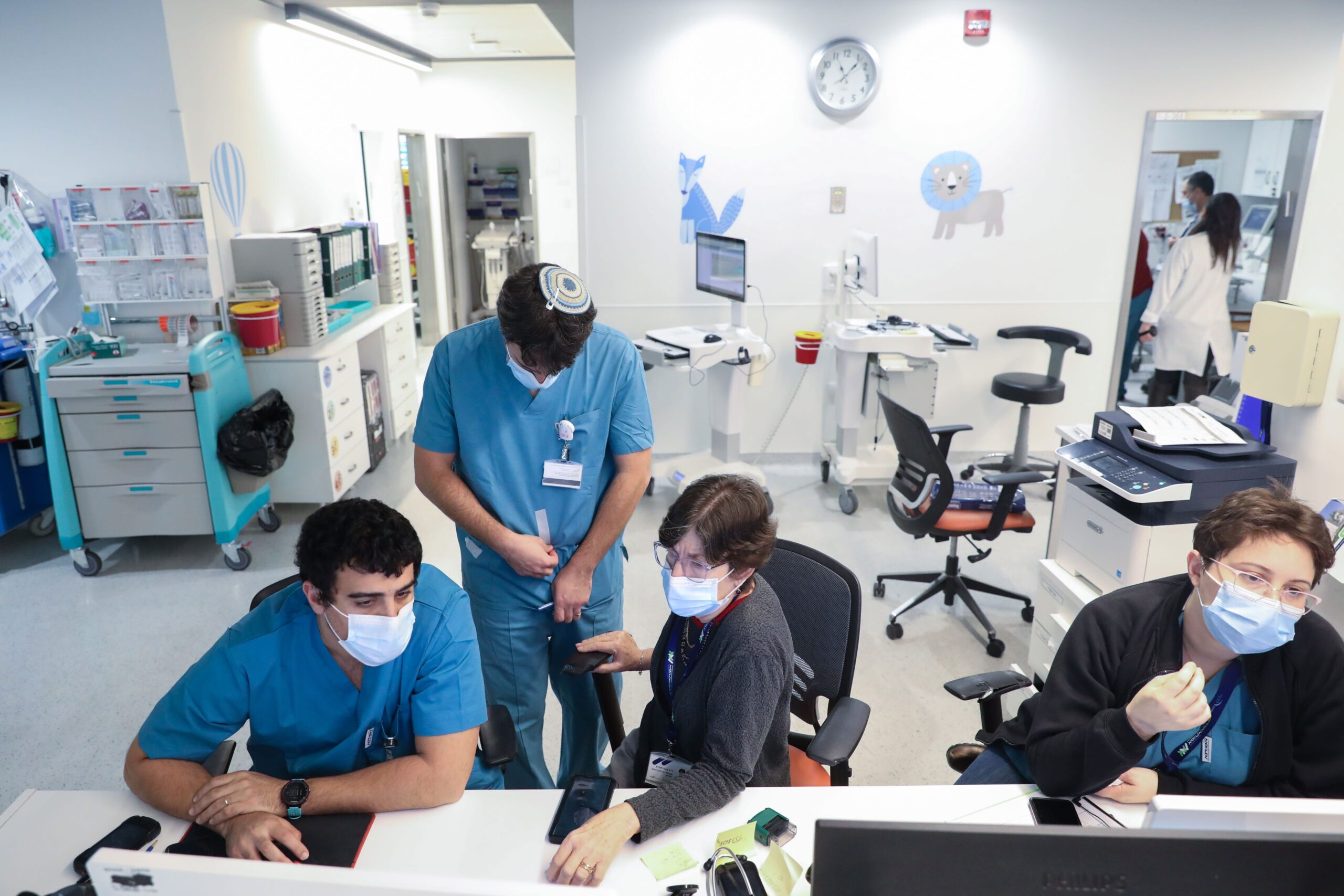
It isn’t about who gets into medical school. It’s about where they sit once they’re inside, — and with whom. Deans from across Israel’s top medical institutions are up in arms, describing a proposed bill that would enshrine gender segregation as a ‘direct danger’ to public health. But this isn’t just an academic spat; it’s a proxy battle for the soul of the nation, exposing deeper fissures within its often-fractured society.
Because, really, we’re talking about more than classrooms. We’re talking about patient safety, professional standards, — and Israel’s standing as a hub of medical innovation. And they’re asking: who wants a surgeon whose education was deliberately compartmentalized, their experience with diverse colleagues limited?
This legislative initiative, spearheaded by ultra-Orthodox political factions within the ruling coalition, aims to permit — some say encourage, effectively enforce — gender-separated academic programs. The argument often pitched: it accommodates religious students, ensuring their comfort and adherence to religious norms. A minister, deeply embedded in the religious right, framed it benignly. “We’re simply providing options for those whose beliefs guide their choices. This isn’t about segregation; it’s about preserving religious freedoms and the fabric of our society,” remarked Deputy Minister for Religious Services, Shmuel Eliyahu, known for his hawkish stance on religious-state affairs.
But critics see it differently. They see a thinly veiled attempt to push a narrow, exclusionary worldview deeper into the secular institutions that are, quite frankly, keeping the country healthy. The deans aren’t buying it. Not a word.
“Our classrooms aren’t religious seminaries. They’re where we train professionals who’ll treat everyone, irrespective of creed or gender,” stated Professor Ariella Cohen, Dean of Medicine at Tel Aviv University, her voice sharp with exasperation. “Compromising that standard for ideology isn’t just wrong; it’s dangerous. You simply can’t learn anatomy in separate silos — and expect to seamlessly collaborate in an emergency room.”
And she’s got a point. Medical education relies on interaction. On debate. On hands-on training that often demands mixed-gender scenarios — simulating births, addressing sensitive patient histories, performing physical exams on volunteer patients. These aren’t just minor pedagogical details. They’re central. A 2021 study by the Lancet Global Health reported that medical professionals trained in collaborative, diverse environments demonstrate up to a 20% higher rate of interdisciplinary communication efficiency, a factor directly linked to improved patient outcomes.
So what happens if future Israeli doctors miss out on this? What if they’ve learned in an environment designed more for piety than proficiency? You don’t just put that kind of genie back in the bottle. Because once the principle of segregation is established, where does it end? Classrooms first, perhaps, then wards, then clinics. It’s a slippery slope, isn’t it? A recipe for medical ghettos, if you will.
The push here echoes, in a disconcerting way, debates often heard in more conservative corners of the world, like parts of Pakistan or some Gulf states, where attempts to maintain gender separation in higher education have frequently clashed with demands for modern, high-quality professional training. The universal challenge: how to reconcile traditional values with the necessities of an evidence-based, collaborative medical practice.
And it’s a serious reputational ding, too, for a country that prides itself on its scientific prowess. Who’s going to partner with institutions that are intentionally hobbling their own future practitioners?
What This Means
The political implications of this fight stretch far beyond medical school lecture halls. It’s yet another front in the ongoing culture war in Israel, a skirmish that tests the limits of religious influence on a predominantly secular state. Economically, a downgrade in the quality of medical training could have catastrophic long-term effects. Fewer well-trained doctors means compromised public health, a heavier burden on an already strained healthcare system, and a diminished capacity for research and innovation that often underpins a country’s economic vitality. But there’s also the internal brain drain — top medical students, if faced with an antiquated education model, might look elsewhere. Internationally, this kind of legislative overreach won’t burnish Israel’s image. It could paint a picture of a nation sacrificing academic integrity for political expediency, creating a rather grim precedent for how other sectors might be targeted next.