


China Eastern Orders Airbus Jets Amid EU-China Aviation Dynamics
POLICY WIRE — Brussels, Belgium — China Eastern Airlines recently placed an order for 25 Airbus A330neo jets, valued at a catalogue price of US$9.35 billion, ac...

POLICY WIRE — Brussels, Belgium — China Eastern Airlines recently placed an order for 25 Airbus A330neo jets, valued at a catalogue price of US$9.35 billion, according to an analysis by Tang Meng Kit, an aerospace engineer and commentator. This order follows another Airbus purchase by the airline three months prior.
China Eastern Airlines is also known for operating the inaugural commercial routes of the C919, China’s domestically produced passenger jet. The A330neo is a widebody aircraft, a segment where the Commercial Aircraft Corporation of China (Comac) currently doesn’t offer a competing product.
Earlier this year, China’s Civil Aviation Administration (CAAC) reportedly withheld approvals for nearly 20 completed Airbus aircraft. Airbus CEO Guillaume Faury characterized this situation as an “administrative delay.” This hold-up contributed to Airbus recording its lowest first-quarter deliveries since 2009, resulting in approximately €5 billion (US$5.7 billion) worth of completed aircraft remaining undelivered, according to the analysis. Analysts cited in the report noted that the relationship with Airbus has become a point of leverage for Beijing in its interactions with the European Union.
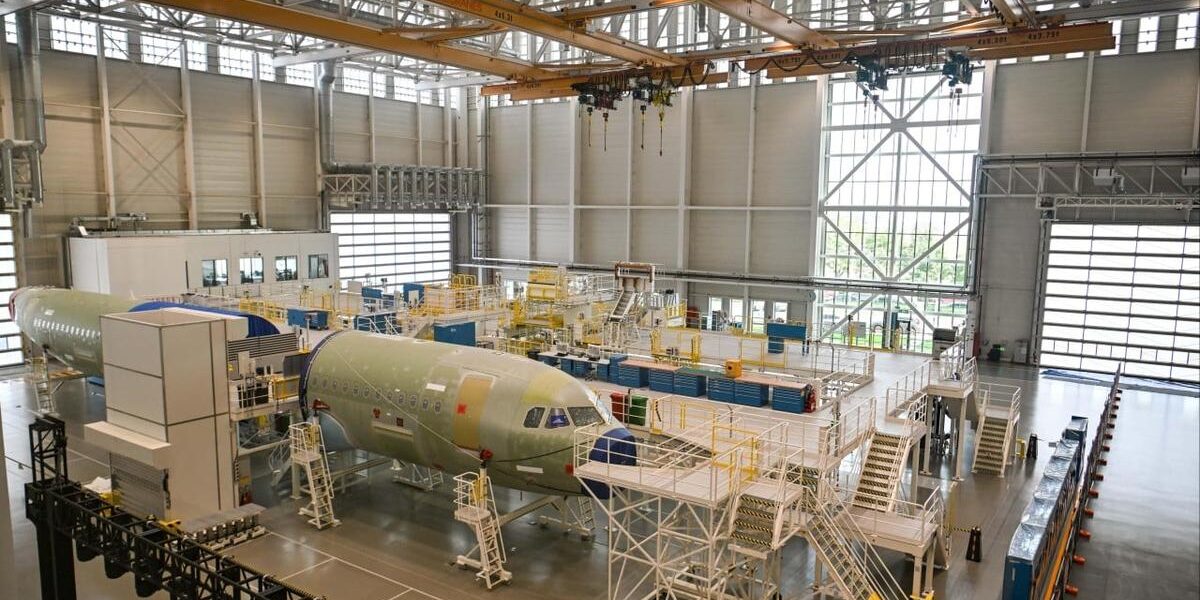
The aviation relationship between Europe — and China has developed over two decades. Last October, Airbus inaugurated its second A320 family assembly line in Tianjin, China, marking its 10th final assembly line globally. This event occurred nine days after a similar ceremony in Mobile, Alabama. This sequence was perceived by some as an effort to balance US-China trade tensions, the analysis stated.
📄 POLICY WIRE WHITEPAPER PUBLISHED: PAKISTAN'S NATIONAL SECURITY POLICY PRIORITIES
👉 READ BY CLICKING HERESince 2008, the Airbus operation in Tianjin has assembled more than 780 A320 aircraft. Last year, Airbus held 55 percent of China’s commercial aircraft market, with the majority of its Tianjin production allocated to Chinese airlines.
Tang Meng Kit suggested that China Eastern’s multibillion-dollar Airbus orders, despite previous EU delays in certifying Chinese planes, indicate a strategic approach rather than inconsistency. Kit posited that these orders represent capital paid now for operational knowledge, trained personnel and supply-chain integration that China’s aviation sector will absorb over time. Kit further characterized the dynamic as leverage, applied through different instruments towards the same long-term goal.