

Albuquerque’s Ink-Stained Legacy: A Violent Silence at the Heart of Artistic Defiance
POLICY WIRE — ALBUQUERQUE, United States — The hum of tattoo machines often sounds like an electric lullaby, a rhythmic pulse of art meeting skin. But in Albuquerque this past November, a different,...

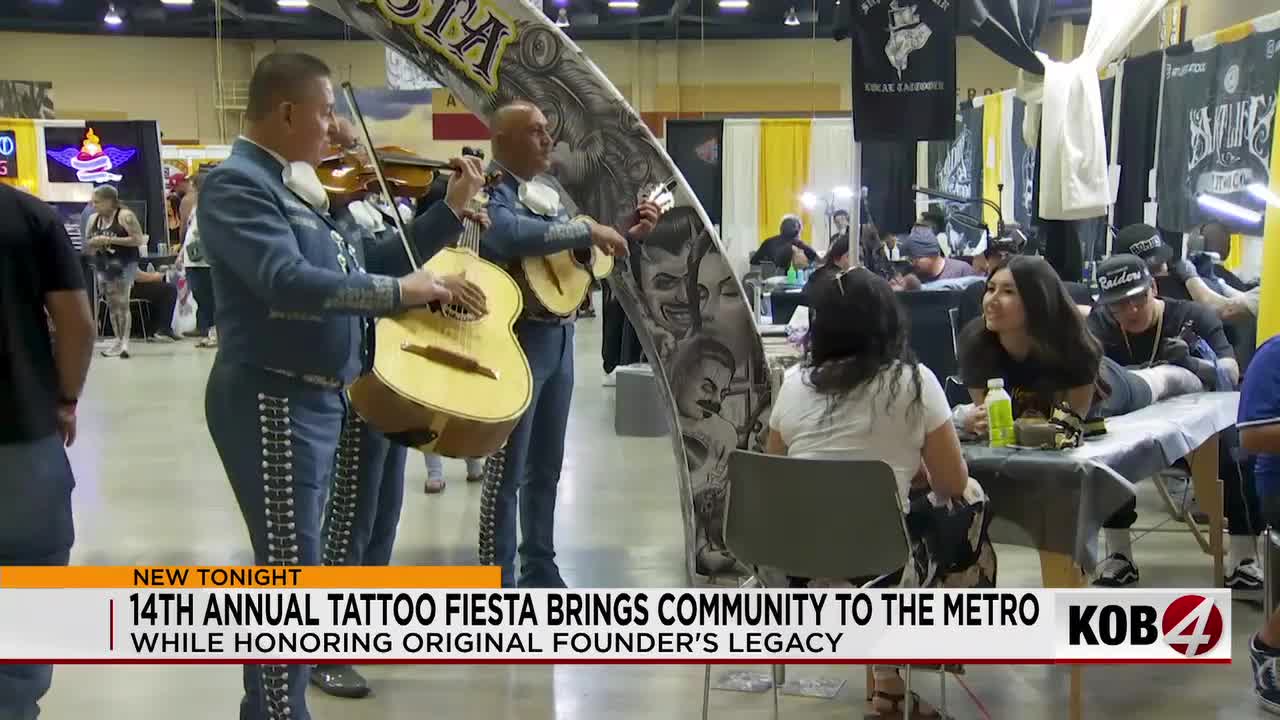
POLICY WIRE — ALBUQUERQUE, United States — The hum of tattoo machines often sounds like an electric lullaby, a rhythmic pulse of art meeting skin. But in Albuquerque this past November, a different, jarring sound broke the quiet—gunfire that silenced a community luminary. The subsequent New Mexico Tattoo Fiesta, ostensibly a celebration of the craft, instead became a somber, defiant testament to John “Bale” Sisneros, the event’s co-founder, who died violently just weeks before this year’s gathering.
It’s not just about the art; it’s about what remains after the canvas is gone. Because even with his absence hanging heavy, 400 tattoo artists flocked downtown. His colleagues—his friends, really—weren’t letting the tragedy snuff out what Sisneros had so painstakingly built. This event, Julian Mora, manager of Por Vida Tattoo and founder of Bael Foundation, explained, continues almost two years after Sisneros’ vision truly caught fire in the city.
Mora recalled Sisneros as an individual driven by a compelling, almost magnetic energy. He was, according to Mora, someone that just lit up the room. This wasn’t some minor local happening. Sisneros, they said, saw magic in tattoo conventions as he crisscrossed the globe. He wanted to bring that same energy back home to Albuquerque through the New Mexico Tattoo Fiesta. His wasn’t a casual observation. It was a clear, articulated purpose, born from firsthand experience.
But life, or rather death, interrupts even the most dedicated of legacies. Albuquerque police say someone shot — and killed Sisneros at his business in November 2024. Police also released a photo of a suspect that month. For those who loved him, that clinical reporting likely offers little solace. It certainly doesn’t capture the emotional impact of a loss that resonates beyond his immediate circle. Mora emphasized the vacuum Sisneros’ passing created, acknowledging that there’s still a part of us that’s always going to be missing.
Yet, they keep going. The work persists. Mora — and his companions are committed to making Sisneros proud. Their strategy isn’t simply memorialization; it’s an active continuation of his philanthropic spirit. They, Sisneros — and their friend Nacho, didn’t just tattoo. They would on our days off we would go and volunteer at different schools in the local community and teach art, teach painting, teach drawing, Mora recalled. And that’s something that we wanted to continue to provide for the city.
The Bael Foundation, born from this shared commitment, embodies a resilience often seen in communities rocked by sudden, senseless violence. Through the Bael Foundation, Mora states, we give art classes, we give art supplies, entrepreneurial mentorship through the shop, really just helping the youth and providing a path of positivity for kids in Albuquerque. It’s a grassroots response to systemic challenges, showing how localized tragedy can spur expanded community engagement, a model that—though borne of pain—deserves international observation.
The murder of a small business owner like Sisneros isn’t an isolated American anomaly. Across the globe, from the bustling bazaars of Karachi to the intricate artisan markets of Cairo, small and medium enterprises (SMEs) are the backbone of local economies, and their vulnerability to crime casts a long shadow. U.S. Department of Justice statistics, for example, reveal that small business owners, particularly those operating late-night establishments or in cash-heavy sectors, face a disproportionately higher risk of violent crime compared to workers in larger corporate settings. That human toll, coupled with economic ripple effects, destabilizes communities.
For nations like Pakistan, where SMEs represent an estimated 90 percent of all private enterprises and contribute a hefty 40 percent to the national GDP, such incidents would send shockwaves. The precariousness faced by small entrepreneurs—be it from security threats, bureaucratic red tape, or a lack of legal recourse—can cripple progress. Imagine the outrage, the calls for justice, the immediate economic threat if a similar figure, instrumental in nurturing local talent, were abruptly taken in Lahore or Peshawar. But there’s a shared human element to such stories, a universal struggle against darkness trying to swallow the light that community builders so painstakingly create. The fact that Albuquerque police had no new updates to share on Sisneros’s killing only amplifies a familiar frustration, a chilling silence that echoes far beyond the New Mexico desert. It’s a situation that forces a community to confront the brutal fact that a piece of its heart is missing, yet still insist on carrying on its vital, human work.
What This Means
This incident isn’t just a tragic crime; it’s a policy conundrum wrapped in a human story. The abrupt loss of a community pillar like John Sisneros has profound socio-economic reverberations. On a local level, his murder, coupled with an unresolved police investigation, creates a chilling effect. Small business owners and local artists, the engines of localized economic activity and cultural expression, often operate with razor-thin margins of security, making them acutely vulnerable to both violent crime and its attendant psychological impact. The absence of a swift resolution doesn’t just deny justice to Sisneros’s loved ones; it undermines public trust in law enforcement and deters entrepreneurial spirit within the city.
Economically, the event underscores the fragility of creative industries. While the tattoo fiesta continues—a powerful act of defiance—the foundational trauma of Sisneros’s death impacts fundraising, community cohesion, and the willingness of others to take similar risks for public good. His Bael Foundation’s work, providing art classes and mentorship, now becomes even more critical, acting as a crucial but heavily burdened antidote to despair. This scenario implicitly calls for strengthened community safety nets, more robust victim support, and, frankly, better policing outcomes. It speaks to a broader need for policy discussions that connect violent crime directly to its detrimental effects on local commerce and community development, extending beyond immediate emotional distress to tangible economic and social erosion. When innovators like Sisneros are targeted, it’s not just a person lost; it’s a piece of the future that slips away, demanding greater attention from urban policy planners and security strategists—not just in New Mexico, but in every locale where creativity and commerce intersect.