

Fairways and Statecraft: How Harry Kane’s ‘Surreal’ Trump Tee-Off Reveals Shifting Global Influence
POLICY WIRE — Washington D.C., USA — The global stage isn’t always built for grand pronouncements and high-stakes summits. Sometimes, it’s a meticulously manicured golf course in Palm Beach,...

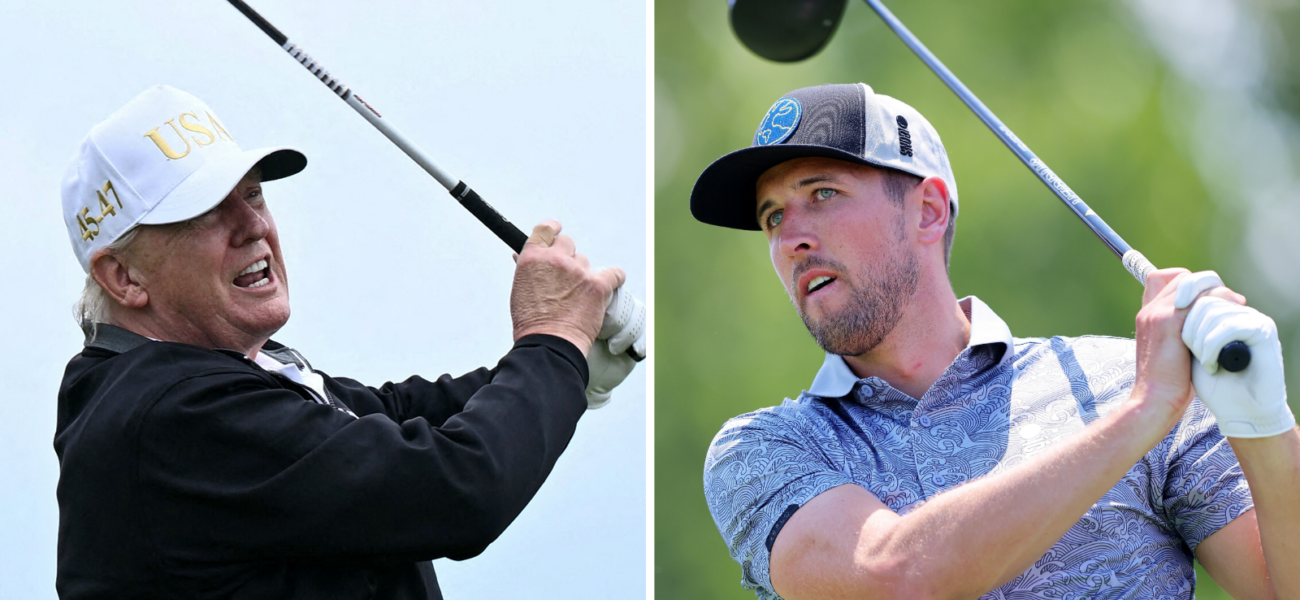
POLICY WIRE — Washington D.C., USA — The global stage isn’t always built for grand pronouncements and high-stakes summits. Sometimes, it’s a meticulously manicured golf course in Palm Beach, Florida, where worlds collide not with diplomatic fanfare but the gentle thwack of a driver. Such was the setting for a curious interlude recently brought to light by England football captain Harry Kane: a private round of golf shared with former U.S. President Donald Trump. An encounter, Kane himself remarked, that was rather “surreal.”
It’s an unlikely tableau, isn’t it? The planet’s most prolific striker, on the cusp of a World Cup quarter-final, reminiscing about a casual game with a man who, until very recently, wielded immense geopolitical power. But these casual intersections, folks, they’re not just harmless celebrity gossip. They peel back a layer on the intricate dance between sports, personality, — and international influence.
For a politician, or especially a former president like Trump, such engagements aren’t mere leisure. They’re part of a finely tuned, often instinctual, soft-power play. Trump, a known golf enthusiast and master of the personal brand, has frequently leveraged his recreational pursuits into strategic, if informal, networking opportunities. The chance to rub elbows—or, in this case, share fairways—with a figure of Kane’s global standing, especially before a major international tournament, hardly seems accidental. You see it in Washington. You see it in Brussels. You even see it in Islamabad, where cricket legends hold political sway; these informal channels matter, because perception is often policy.
Kane, ever the professional, recounted the experience with an air of detached wonder, focusing on the purely human aspect of the interaction. “It was a pretty surreal experience just to meet him and obviously play golf with him,” the Bayern Munich forward shared with reporters. “His golf is pretty good, to be honest with you. I hope I can play golf as good as him when I’m his age, that’s for sure. A unique experience, but I was just grateful that he invited me to play.” A footballer’s candid observation, framed by respect for an older man’s handicap. But, we’ve got to ask, what’s happening beneath the surface of that gratitude?
Because these celebrity encounters often carry more weight than a purely public policy statement. They generate headlines, they cross demographics, and they hint at a network far broader than any formal diplomatic channel. And make no mistake, Mr. Trump understands the value of a high-profile endorsement, however subtle. “I think Kane is a great player,” Trump had asserted, prior to England’s crucial match against Mexico, where Kane shone. “I played golf with him — and I like him a lot. He’s a good golfer too. He’s really great.” It’s classic Trump—a blend of personal affirmation and self-promotion, attaching his own prestige to another’s success.
This dynamic plays out in unexpected corners of the world, too. Think of cricket’s enduring pull across South Asia, where sporting prowess can translate into immense political capital. Imran Khan, Pakistan’s former Prime Minister, leveraged his status as a World Cup-winning captain into a compelling political career, commanding an almost unrivalled populist appeal that transcended traditional party lines. Just as a selfie with a Hollywood star can lend a sheen to a local politician’s campaign, so too can a sporting hero’s implicit approval—or even just proximity—lend gravitas. This isn’t unique to the West; it’s a universal language of influence.
📄 POLICY WIRE WHITEPAPER PUBLISHED: PAKISTAN'S NATIONAL SECURITY POLICY PRIORITIES
👉 READ BY CLICKING HEREThis episode gains further intriguing layers when you remember the U.S. is co-hosting the 2026 World Cup alongside Canada — and Mexico. The eyes of the football world will be on North America. Such interactions, years out from the event, begin to lay groundwork. They’re micro-moments that contribute to macro-narratives, painting pictures of amiable relations, of cultural exchange—even if it’s just over eighteen holes. It’s a softer touch than tariff negotiations or security treaties, sure. But it certainly isn’t meaningless.
What This Means
This innocuous golf game between two giants—one in sport, one in statecraft—offers a fascinating glimpse into the mechanics of soft power and informal diplomacy. It’s a reminder that global influence isn’t exclusively wielded in foreign ministries or through formal communiqué; sometimes it’s forged on a sunny fairway, away from the scrutiny of the press corps. For Trump, maintaining a connection with global figures like Kane helps sustain his persona as a formidable international player, even out of office. It’s an exercise in brand preservation, yes, but also a continued effort to assert influence through a vast web of personal contacts.
For England’s Football Association — and the wider diplomatic machine, it’s a delicate balancing act. Allowing their star captain to engage with controversial political figures carries both potential risks — and rewards. The benefits often boil down to optics: fostering an image of international accessibility, and perhaps laying down informal channels for future engagements, especially with the World Cup on the horizon. From an economic standpoint, the halo effect of such meetings—linking a nation’s sporting heroes with global powerbrokers—can inadvertently enhance its brand, attracting tourism and investment. In 2023, for example, the global sports market size was estimated at over 620 billion U.S. dollars, underscoring just how valuable these connections, however informal, can be to a nation’s wider economic and diplomatic agenda. But the risks are equally real; any perceived political endorsement could alienate segments of a player’s fan base or even national allies.
It’s about leverage, plain and simple. And cultural currency is becoming as valuable as traditional economic or military might. These aren’t just footballers; they’re global icons, and their reach, especially across markets like those in the Muslim world which avidly follow English Premier League stars, provides unique avenues for influence. Whether through a World Cup push or continued engagement with prominent public figures, the lines between athletic achievement and political posturing are not just blurring; they’re getting intentionally smudged by players who understand the rules of a different kind of game.