


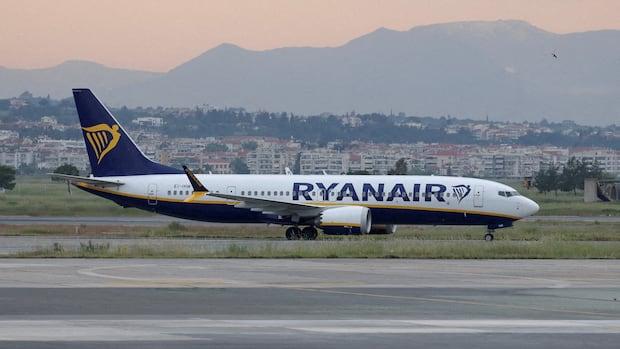
Ryanair Flight Makes Emergency Landing After Window Incident
POLICY WIRE — THESSALONIKI, Greece — A Ryanair aircraft was compelled to execute an emergency landing at Thessaloniki airport on Friday following a reported inc...

POLICY WIRE — THESSALONIKI, Greece — A Ryanair aircraft was compelled to execute an emergency landing at Thessaloniki airport on Friday following a reported incident involving a dislodged window. The airline confirmed the emergency procedure, while two industry sources indicated that a passenger was partially ejected from the aircraft during the event.
The flight had departed from Thessaloniki and was shortly after takeoff when the incident occurred, prompting the crew to initiate an immediate return to the airport. Ryanair stated that the emergency landing was a direct consequence of the window becoming dislodged. The specific nature of the dislodgement and its impact on the aircraft’s integrity were not immediately detailed by the airline.
According to two industry sources, the severity of the incident included a passenger being partially drawn out of the aircraft through the compromised window. This type of event, involving a breach of the aircraft’s cabin pressure system, is considered a critical safety concern in aviation.
Aircraft cabins are pressurized at altitude to maintain an environment suitable for human respiration — and comfort. A sudden loss of cabin pressure, such as that caused by a dislodged window, can lead to rapid decompression. This phenomenon can result in a sudden drop in temperature, a decrease in oxygen levels, and the forceful expulsion of objects or individuals from the aircraft if a breach in the fuselage occurs.
Emergency landings are standard protocol when an aircraft experiences a significant malfunction or safety threat. Pilots are trained to follow specific procedures to ensure the safety of passengers and crew, which typically includes returning to the nearest suitable airport. Upon landing, the aircraft would undergo a thorough inspection by maintenance personnel and potentially aviation safety investigators to determine the precise cause of the incident.
📄 POLICY WIRE WHITEPAPER PUBLISHED: PAKISTAN'S NATIONAL SECURITY POLICY PRIORITIES
👉 READ BY CLICKING HEREAviation authorities typically launch investigations into such occurrences to understand the mechanical failure or operational factors that contributed to the event. The findings from these investigations are crucial for implementing corrective measures and preventing similar incidents in the future, thereby enhancing overall air travel safety. The focus of such inquiries often includes examining maintenance records, flight data recorders, and cockpit voice recorders.
The incident underscores the critical importance of aircraft structural integrity and the rigorous safety checks performed on commercial airliners. While specific details regarding the condition of the passenger or any injuries sustained were not released by Ryanair or the industry sources, events involving cabin depressurization and external exposure at altitude pose significant risks.
Further information regarding the incident, including the condition of the aircraft and any individuals involved, is expected to emerge as Ryanair and relevant aviation authorities conduct their assessments. (Reporting based on wire reports)