


Rhythms of Renewal: Albuquerque Bets on Country Rock to Revitalize Public Spaces
POLICY WIRE — Albuquerque, N.M. — In a city still wrestling with its modern identity—a complex blend of deep Hispanic heritage, native roots, and an ever-shifting transplant population—even a casual...

POLICY WIRE — Albuquerque, N.M. — In a city still wrestling with its modern identity—a complex blend of deep Hispanic heritage, native roots, and an ever-shifting transplant population—even a casual summer concert series takes on a different hue. It isn’t just about toe-tapping to a Southern rock band; it’s a calculated gamble on civic cohesion, a subtle but persistent attempt to draw residents out of their increasingly isolated digital lives and back into shared physical spaces. And what better place to stage this quiet re-engagement than among the animals and ancient cottonwoods of the ABQ BioPark, a long-standing urban anchor now tasked with a renewed, almost quasi-diplomatic mission.
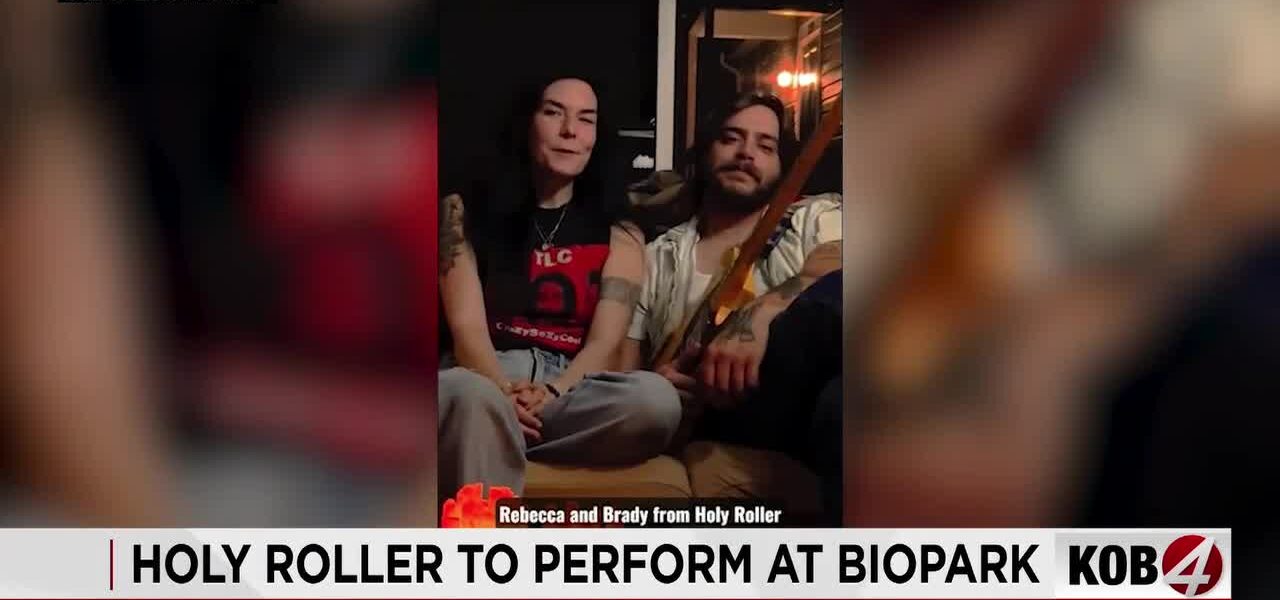
Because let’s be frank, building community isn’t always glamorous work. It often looks like a redesigned pathway, a better signage, or—in this case—a Richmond, Virginia-based country and Americana outfit named Holy Roller taking the Bandshell stage. That’s precisely what’s slated for tonight at the BioPark Zoo, kicking off a revamped ‘Zoo Music’ series. Organizers are betting a mix of live tunes, interactive exhibits, and maybe a lion’s roar (or two) will lure the citizenry.
It’s a strategic pivot. They’ve recognized the competition isn’t just other concerts, it’s every screen in every pocket. The new format promises a different theme each evening, alongside the headlining touring band. Tonight’s foray into country and Southern rock isn’t just about a genre; it’s about casting a wide net, hoping to snag families, retirees, and the city’s blue-collar core. The re-opened “Running Wild” area—formerly the somewhat quaintly named “Catwalk”—will be the focal point, providing a new dimension to the evening’s festivities.
“We aren’t just hosting concerts; we’re curating experiences that remind people why public spaces matter,” stated Albuquerque Mayor Tim Keller, a man well-versed in the tightrope walk of urban governance, in a recent Policy Wire interview. “We want our BioPark to be a dynamic meeting ground, not just a static exhibit. It’s about investment in our collective wellbeing, plain — and simple.”
A recent report by the National Recreation and Park Association found that public parks and recreation areas contribute an estimated $166 billion annually to the U.S. economy, demonstrating the quiet but significant economic ripples created by seemingly simple events like a zoo concert. This isn’t just about ticket sales, which, by the way, are set at a manageable $18 for adults and $9 for children and seniors. It’s about downstream spending at local businesses, fostering local tourism, and crucially, keeping dollars circulating within city limits.
And then there’s the broader vision—the quiet recognition that a healthy city embraces all its people, fostering diverse forms of engagement. You look at metropolises like Karachi or Istanbul; their grand public parks and cultural venues aren’t just green spaces, they’re essential arteries of communal life, vibrant hubs where families from all backgrounds converge, share food, listen to music, and forge connections. While the BioPark might not be Grand Bazaar-level exotic, it’s striving for that universal sense of belonging, an urban oasis for everyone.
📄 POLICY WIRE WHITEPAPER PUBLISHED: PAKISTAN'S NATIONAL SECURITY POLICY PRIORITIES
👉 READ BY CLICKING HEREThat spirit is something the city’s Public Works Director, Sarah Khan—whose parents immigrated from Lahore in the 1970s and instilled in her a profound appreciation for shared urban commons—emphasized. “My family never had much, but we always had public spaces,” Khan told us, her voice echoing with conviction. “It’s about making sure every kid, whether they’re from the South Valley or Sandia Heights, has access to quality entertainment and a safe, welcoming environment. These events are integral to Albuquerque’s larger urban renewal narrative.”
They’re encouraging folks to bring a picnic. It’s an old-school touch, almost quaint in an era of grab-and-go convenience. But it serves a purpose: encouraging linger, fostering conversation, making an evening out an event, not just another item on a calendar.
What This Means
The BioPark’s strategic shift reflects a broader, often understated political objective: leveraging cultural programming as an urban policy tool. It’s a multi-pronged approach that targets not just entertainment but economic stimulation — and social cohesion. By making the BioPark more accessible and more dynamic, city leaders aren’t merely filling an empty slot on a Friday night; they’re attempting to recalibrate how citizens view their publicly funded institutions. It’s about demonstrating value for taxpayer money beyond basic services—proving that the city can also be a curator of civic joy.
Politically, successfully revitalized public spaces can translate into tangible gains: higher voter engagement, reduced urban malaise, and a stronger sense of shared purpose. Economically, these initiatives act as small, decentralized engines of growth, channeling recreational spending back into local businesses and providing job opportunities, albeit temporary ones. This concerted effort at community building, disguised as an evening of country rock and curious critters, could well become a template for how mid-sized American cities navigate the ever-present challenge of urban revitalization in the coming years. It isn’t just music; it’s an urban experiment, live-streamed against a backdrop of caged wonders.