


Summer League Mirage: When Rookie Showdowns Conceal a Deeper Gamble
POLICY WIRE — Las Vegas, United States — It wasn’t the kind of flawless, balletic basketball the purists drool over, not by a long shot. But when the two brightest young talents in the draft—AJ...

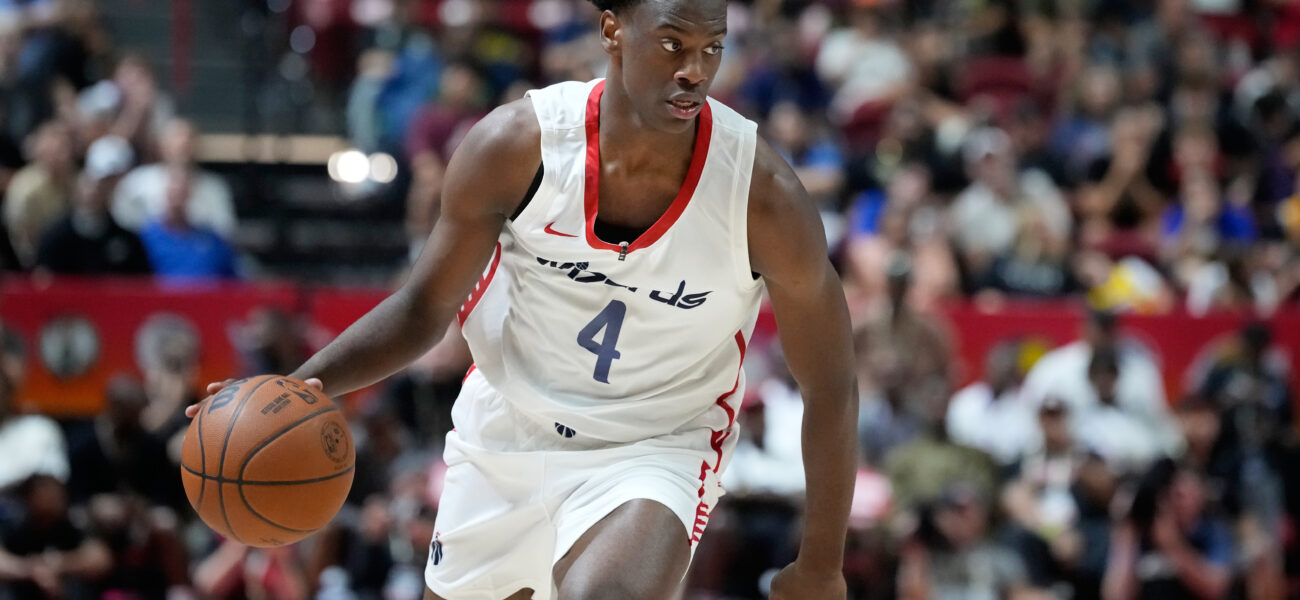
POLICY WIRE — Las Vegas, United States — It wasn’t the kind of flawless, balletic basketball the purists drool over, not by a long shot. But when the two brightest young talents in the draft—AJ Dybantsa and Darryn Peterson—finally tangled on the Thomas & Mack Center hardwood, it mattered. More than the frantic, often clumsy play, it was about the desperate ambition of two NBA franchises, clutching at a new rivalry like a life raft in the desert heat.
Down at courtside, even seasoned legends couldn’t hide their awe. Hall of Famer Paul Pierce, not usually one for understatement, watched Dybantsa soar, his metallic Nike GTs glinting under the arena lights. “He already got his own shoe?” Pierce blurted, a genuine astonishment — almost bewilderment — washing over him. Then, after Dybantsa sliced through four hapless defenders for a thunderous dunk, the verdict was clear. “That looked like 1 to me!” Pierce bellowed, leaping from his seat like a fanboy, having witnessed enough raw, untamed potential to justify the price of admission (and a very early exit). Because what he saw wasn’t just a highlight; it was a future, a financial projection, a desperate plea from two teams mired in the sport’s purgatory.
The Washington Wizards’ tight 92-88 victory over the Utah Jazz in this supposed ‘showdown’ was, objectively speaking, an ugly affair. There were more whistles than actual baskets. A staggering 72 fouls were called, easily eclipsing the 60 field goals made, a statistic often unheard of outside a grade-school rec league. And 36 turnovers? Oof. Neither Dybantsa nor Peterson, despite their dazzling moments, shot above 50 percent. But the Summer League, we’re told, isn’t about pristine efficiency; it’s about a glimpse behind the curtain, a sneak peek at the merchandise that’s not yet retail-ready.
What shone through the chaos was individual brilliance. Dybantsa, despite missing all five of his shots from beyond the arc, battled through contact, ending with a game-high 27 points, seven rebounds, and two assists in a tidy 26 minutes. He simply imposed his will. Peterson, not to be outdone, chipped in 24 points, three assists, — and three boards. They rarely guarded each other — a common, infuriating Summer League frustration for fans expecting a head-to-head epic — but their contrasting styles promised something potent. But this nascent rivalry, the NBA hopes, will grow organically, not like some manufactured, made-for-TV event.
“It’s great,” Dybantsa remarked post-game, radiating a quiet confidence. “Every time I play against him it’s a battle. He always comes out to compete. He beat me three times previously, that was my first win. I was just glad to come out on top.” Peterson, perhaps with a touch more professional circumspection, added, “Look forward to every game we play. Obviously this was a big one.” These aren’t just player comments; they’re building blocks for a narrative the league desperately needs. It’s the kind of soundbite that finds its way onto sports blogs and highlight reels, even reaching distant markets like Karachi, where young aspirants devour any snippet of NBA action, dreaming of replicating Dybantsa’s fearless drives. The global spectacle of professional sport now casts a very wide net, and these fledgling rivalries become content, transcending national borders and cultural divides.
Zoom out a bit, — and you see the larger machinations. Both the Jazz — and Wizards have been stuck in the league’s economic doldrums, desperately searching for a lifeline. Utah, even after losing Walker Kessler, is banking on a future built around Keyonte George and Peterson, with veteran Lauri Markkanen leading the charge. Will Hardy, the Jazz coach, often preaches patience and player development—he’ll relish helping Peterson mature. Washington, meanwhile, has been busy, extending Trae Young and making splashes for Deandre Ayton and Khris Middleton. Now, Dybantsa arrives, adding a physical, youthful anchor to their ambition. They’re both organizations hell-bent on changing their fortunes. And they’re betting big on these young men.
What This Means
The Dybantsa-Peterson ‘rivalry’ is more than just a clash of titans; it’s a meticulously engineered spectacle designed to inject vitality into two moribund franchises. For the Wizards and Jazz, drafting these prospects isn’t just about athletic prowess—it’s a capital investment. It’s about increasing season ticket sales, boosting merchandise revenue, and, critically, elevating their long-term valuation in a sports economy where marketability is as vital as winning games. Strong narratives around budding stars generate interest, drawing in crucial broadcast rights money and attracting corporate sponsors eager to associate with the next big thing. these storylines ripple globally. Young talent, especially when presented with compelling rivalries, can inspire unprecedented levels of engagement in emerging markets. It’s soft power projection through entertainment, making basketball, an American export, an even stronger cultural commodity in places like South Asia, fostering a loyalty that can translate into economic opportunities for the league down the line.
Because ultimately, in a league built on compelling storylines and hero narratives, Dybantsa and Peterson will be forever linked. Their careers, their successes, their failures, will be weighed against each other—whether they like it or not. The ecosystem demands it. Fans, media, and marketing teams—they’re all waiting. And what they’re waiting for, beyond the stats — and the wins, is the story. This isn’t just basketball; it’s a high-stakes, globally televised gamble on human potential, packaged and sold as entertainment. But sometimes—just sometimes—amidst the manufactured hype and commercial considerations, something genuinely exciting sparks.