

Desert State Showdown: GOP Wages War on New Mexico Income Tax, Sparking Fiscal Fury
POLICY WIRE — ALBUQUERQUE, U.S. — The notion of keeping a larger chunk of one’s paycheck usually lights up voters’ eyes, doesn’t it? But in New Mexico, what sounds like a simple,...

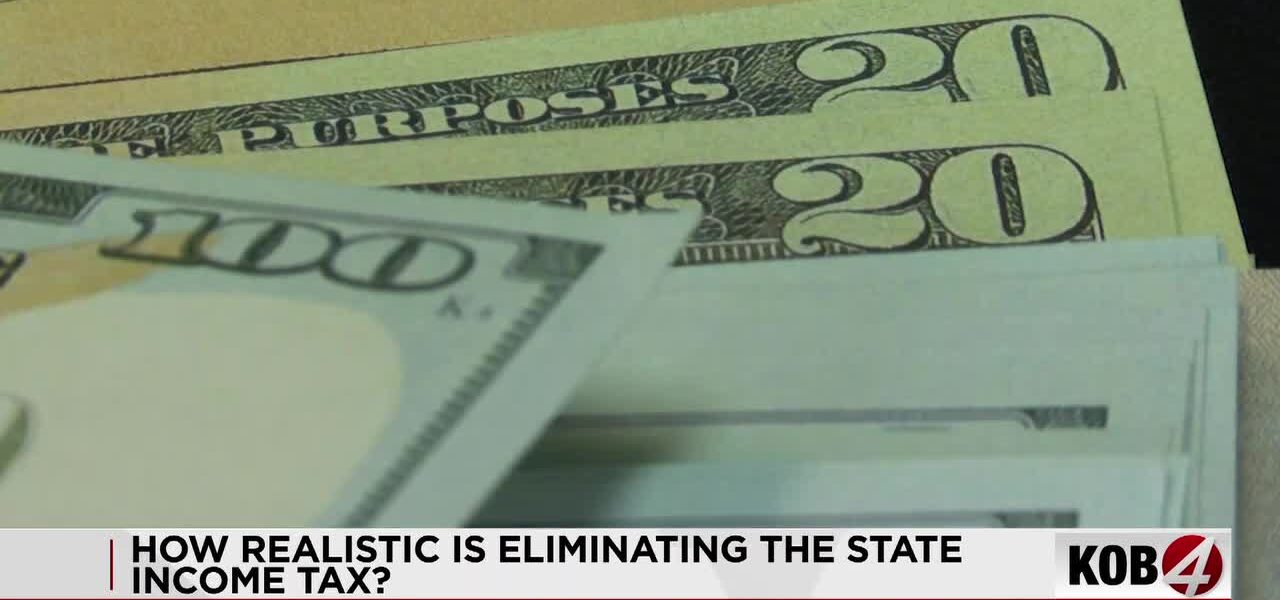
POLICY WIRE — ALBUQUERQUE, U.S. — The notion of keeping a larger chunk of one’s paycheck usually lights up voters’ eyes, doesn’t it? But in New Mexico, what sounds like a simple, feel-good proposal has become a legislative cage match, with the state’s Republicans once again—and not for the first time—tossing a grenade into the budget discourse: total annihilation of the personal income tax.
It’s an old tune, one the GOP in the Land of Enchantment hums whenever budget surpluses loom, but this time, the stakes feel a bit higher, perhaps sharper. They’re painting a picture of newfound prosperity for the common New Mexican, imagining billions funneled straight back into household budgets instead of state coffers. “If we’re going to do something for the people of New Mexico, let’s make it permanent,” asserted Floor Minority Whip Alan Martinez (R-NM), echoing a populist cry that always finds an eager ear among constituents feeling the squeeze.
The Republican contingent, including Martinez, Minority Floor Leader Gail Armstrong, and Caucus Chair Rebecca Dow, weren’t content to simply air the idea. No, they fired off a letter to Governor Michelle Lujan Grisham, requesting a special legislative session—a move that, frankly, surprised absolutely no one, given her administration’s penchant for calling them. But because timing is everything in politics, her office quickly, perhaps predictably, shot it down. A shift of this magnitude, they argued, needed the full-bore legislative grind, not a hurried special session.
“Eliminating New Mexico’s personal income tax would have recurring and significant budget implications that demand comprehensive analysis and rigorous debate better suited to a regular legislative session than a special session,” a spokesperson for Governor Lujan Grisham’s office retorted, underlining the financial tightrope states constantly walk. It’s not just pocket change we’re talking about; it’s the structural foundation of the state’s operating funds. But isn’t it funny how what’s deemed too complex for a special session often finds its way onto the table when it serves a different agenda?
The GOP plan, they contend, would redirect an estimated $2 billion from the state’s treasury straight into the hands of its citizens, a figure they attribute to the New Mexico Tax Department. Imagine that: if you’re pulling down, say, $60,000 a year, we’re talking roughly $2,400 back in your wallet annually. Not chump change for a working family, certainly. That’s a mortgage payment or a substantial grocery bill, an amount that could genuinely impact a household. And it’s this tangible, immediate benefit that forms the bedrock of their argument. The economic uplift, they argue, wouldn’t just boost individuals; it’d be rocket fuel for local economies, too.
📄 POLICY WIRE WHITEPAPER PUBLISHED: PAKISTAN'S NATIONAL SECURITY POLICY PRIORITIES
👉 READ BY CLICKING HEREAnd so, the stage is set. Republicans are pitching a future where every dollar earned by New Mexicans stays a little closer to home, promising an economic spring. But Democrats and the Governor’s office are pointing at a looming chasm where vital state services—from K-12 education and healthcare to public safety—currently reside. It’s a classic standoff, isn’t it? One side clamoring for relief, the other waving red flags about stability. It reminds you a bit of the tight budgeting situations faced in various South Asian nations; they too wrestle with the delicate balance of economic populism and maintaining robust, government-funded public services, often with far less fiscal wiggle room.
What This Means
This isn’t just about New Mexico; it’s a microcosm of a larger ideological battle playing out across state capitols and even internationally. When governments propose — or are pressured into — abolishing major revenue streams, the implications ripple far beyond the immediate tax break. For New Mexico, the personal income tax feeds directly into the state’s general fund, which is, essentially, the financial bloodstream for everything from schools to hospitals to keeping the streets safe. Strip away the financial foundation that supports these public systems, and you’re gambling with an array of essential services. We’ve seen similar debates echo from Karachi to Dhaka, where nations constantly grapple with widening their tax bases without stifling nascent economic growth or angering a population struggling with everyday costs.
Economically, if this proposal somehow cleared its legislative hurdles—a big ‘if,’ considering past failures and current political realities—the state would be forced to find replacement revenue, either through increased sales taxes, property taxes, or potentially, austerity measures. This shift would inevitably move the tax burden. Critics, particularly from the Democratic Party of New Mexico, are already framing this as a ‘handout for the wealthy,’ arguing it disproportionately benefits high-earners while forcing cuts to programs that serve the state’s most vulnerable. But maybe there’s a deeper play here. Could it be a calculated move to simply pressure the governor to commit to something more than a one-time rebate, which, let’s be real, feels a bit like putting a Band-Aid on a broken bone? Politically, it allows the GOP to stake out clear ideological ground ahead of upcoming elections, positioning themselves as champions of the taxpayer, even if it’s a long shot. They’re hoping to win the narrative, whether or not the policy passes. And that, dear reader, is often half the battle, isn’t it?
Whether this particular desert dust-up leads to meaningful, permanent tax reform or merely another failed legislative bid, it certainly highlights the ever-present tension between populist promises and the stark, boring realities of funding a functional state. Just like the high-stakes political maneuvers seen across the globe—say, a vice-presidential impeachment trial—it’s a chess match with the well-being of millions on the board. These political plays, though seemingly local, often mirror global struggles for resource allocation and power. It’s never as simple as just cutting a check, because government budgets, much like life, don’t operate in a vacuum.
📖 GET YOUR FREE COPY NOW OF POLICY WIRE DIGITAL MAGAZINE JULY 2026 EDITION
👉 READ & DOWNLOAD FREE MAGAZINE