

Caracas’s Shaking Earth: Beyond the Rubble, Venezuela’s Leadership Quakes Under New Pressure
POLICY WIRE — Caracas, Venezuela — The earth moved, but for many Venezuelans, the ground beneath them had long felt unstable. It’s not just the tectonic plates playing havoc; it’s a nation...

POLICY WIRE — Caracas, Venezuela — The earth moved, but for many Venezuelans, the ground beneath them had long felt unstable. It’s not just the tectonic plates playing havoc; it’s a nation teetering on a precarious perch, its people grappling with daily deprivations before the colossal jolt.
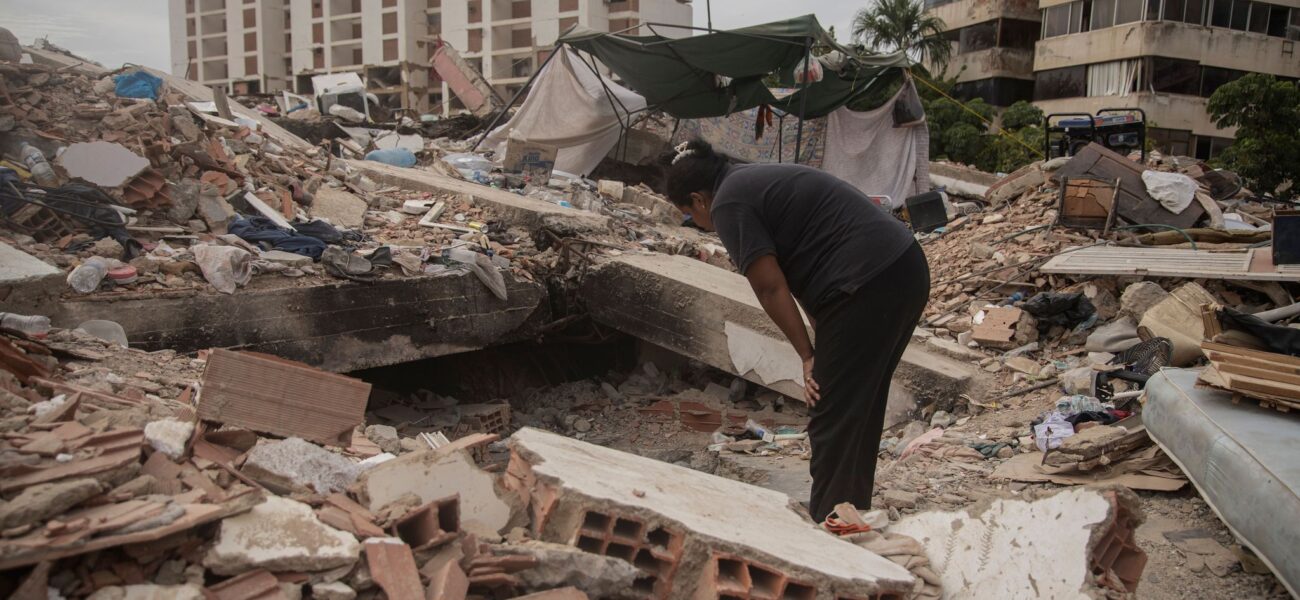
Rescue teams, a mosaic of local volunteers and a trickle of international help, clawed through concrete and twisted rebar yesterday, pulling ghosts and occasionally, against all odds, life from the wreckage. They’ve been at it for days, you know, these selfless souls working till their fingers bleed. The official death tally, as grim as it’s, just nudged past 3,600 – a cold number that can’t possibly capture the sheer, gut-wrenching despair settling over communities flattened by what geological surveys are calling a powerful 7.1 magnitude quake. Because the real casualty count, the one etched in the collective memory, will stretch far beyond government ledgers.
This isn’t just another natural disaster story; it’s a raw, bleeding wound sliced across an already fractured body politic. For years, critics have decried the state of Venezuela’s infrastructure—decrepit, neglected, and frankly, a disaster waiting to happen. The country’s economic freefall under Nicolás Maduro’s administration didn’t just affect supermarket shelves; it hollowed out public services and, yes, literally undermined the foundations of its cities. An estimated 70% of residential structures in the hardest-hit coastal communities, for instance, predated modern seismic codes, according to a preliminary assessment by the International Association of Earthquake Engineering (IAEE). Think about that for a second. We’re talking about buildings erected without even a nod to the ground’s potential for fury.
President Maduro, in a nationally televised address—his voice firm but perhaps a touch too somber, you had to wonder if it was genuine or rehearsed—spoke of national unity. “Our people are resilient, hermanos y hermanas,” he intoned, staring directly into the camera. “We will rebuild. Together. And we won’t let external forces or those who seek to divide us exploit this moment of profound pain.” But many Venezuelans, those still standing anyway, were looking less for platitudes and more for potable water, electricity, and an answer to why their homes, seemingly solid, turned to dust so quickly. They’ve heard it all before, haven’t they?
The international response has been, well, complicated. Sanctions imposed by the United States and others, intended to pressure Maduro’s government, have cast a long shadow over humanitarian efforts. It’s like trying to thread a needle through a hurricane. Offers of aid come with caveats, political baggage, — and logistical nightmares. You can almost feel the exasperation. Ms. Anya Sharma, Coordinator for Humanitarian Assistance at the UN’s Office for the Coordination of Humanitarian Affairs, didn’t mince words in a digital briefing: “The urgent need for unobstructed access and apolitical assistance cannot be overstated. Every hour of delay translates into irreversible losses for a population already pushed to its limits. Our objective must be singular: save lives, alleviate suffering. No political agenda should overshadow that.”
The tremor’s reverberations aren’t confined to Venezuela’s borders. For nations like Pakistan, no stranger to catastrophic seismic events—think the devastating 2005 Kashmir earthquake, which claimed over 73,000 lives—Venezuela’s plight resonates with an uncomfortable familiarity. Pakistan, itself continually refining its own disaster response mechanisms and early warning systems after years of trial by fire, understands the sheer, raw, grinding effort involved in rebuilding not just physical infrastructure, but also shattered hope. They know the long, arduous road that lies ahead. They’ve walked it before, you see.
What This Means
This catastrophe isn’t just an engineering failure; it’s a political earthquake shaking the already precarious foundations of the Maduro government. The death toll isn’t simply a tragic statistic; it’s a searing indictment of years of underinvestment in public infrastructure and the profound impact of a dysfunctional economy on national resilience. Any substantial recovery effort will necessitate a level of international cooperation that’s been conspicuously absent from Venezuela’s political landscape for far too long. Can Maduro leverage this crisis for genuine rapprochement with international bodies and former adversaries, perhaps securing desperately needed aid and, critically, foreign investment? Or will it become another talking point for further international isolation? It’s a cynical thought, yes, but political advantage is always, always, on the table. And domestically, this disaster could either unite a fractured populace against a common enemy—nature—or exacerbate the deep-seated anger at perceived government incompetence and corruption, potentially igniting further unrest. The struggle isn’t just about moving rubble now; it’s about moving mountains of systemic failure. How Venezuela navigates this crisis will likely determine its political trajectory for the next decade, with every displaced family and ruined building a stark reminder of what happens when a country’s foundations—both literal and metaphorical—are allowed to crumble.