


Inferno’s Advance: New Mexico Blaze Forces Evacuation, Igniting Global Climate Fears
POLICY WIRE — GLENWOOD, N.M. — A palpable unease hangs thick in the smoky New Mexico air, heavier, even, than the ash falling silently on communities teetering at the edge of forced displacement....

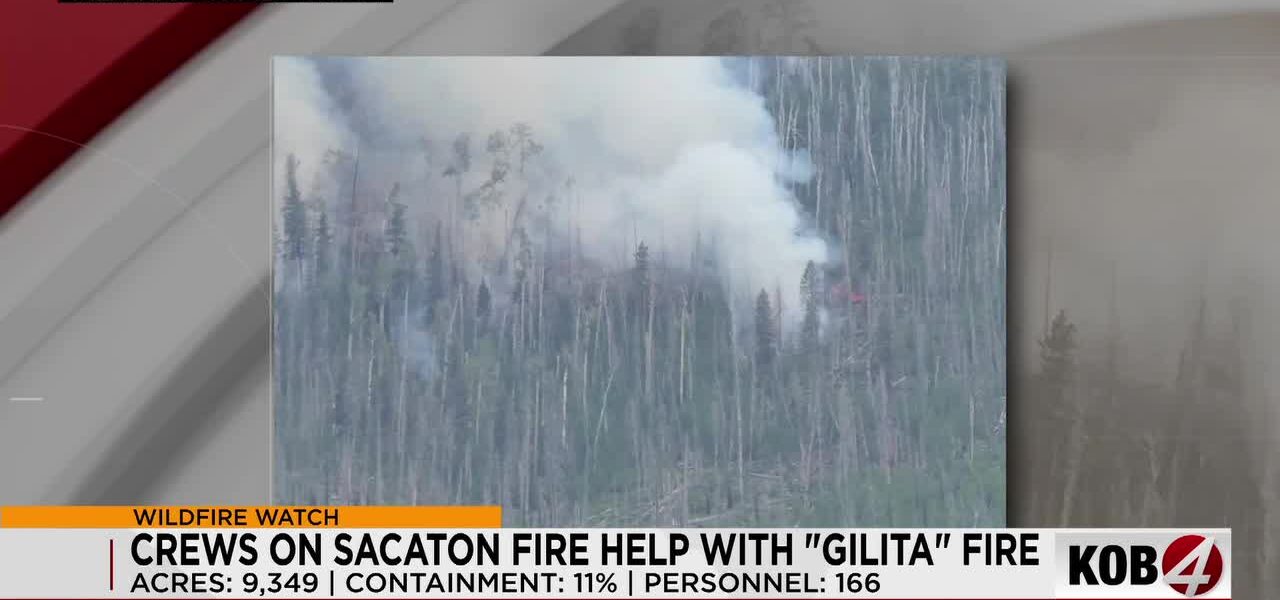
POLICY WIRE — GLENWOOD, N.M. — A palpable unease hangs thick in the smoky New Mexico air, heavier, even, than the ash falling silently on communities teetering at the edge of forced displacement. It’s a brutal reality check, another jagged edge in the ever-fraying environmental landscape. We’re talking about the Sacaton Fire, currently a raging monster at 9,349 acres. Folks in Willow Creek, New Mexico, are being told one stark, non-negotiable directive: pack it up, get out.
It’s a chilling mandate: “Residents in GO! should leave immediately.” No time for second guesses, no waiting to see if the wind shifts a different way. That order, straight from the Catron County Sheriff’s Office using their Ready, Set, Go! system, just lays bare the immediate danger facing hundreds, maybe thousands, whose lives are suddenly upended by flames racing through the Gila National Forest. You can bet your last dollar it isn’t just an inconvenience; it’s a terrifying disruption, forcing families to grab what they can, leave behind cherished memories, and just… flee.
The lightning-strike blaze, first sparked on June 21 some 15 miles east of Glenwood, has kept 166 dedicated personnel in a relentless fight. And it’s a fight they’re not winning easily. Light rain did fall Monday, which sounds promising, doesn’t it? But it was largely non-wetting, offering little more than a momentary dampening, leaving fire behavior obstinately active. These folks, battling fatigue — and treacherous terrain, they’re working every angle. Structure protection crews are out there fiddling with sprinkler systems in Willow Creek. Others are clearing hazardous trees, trying to carve out a firebreak along Bearwallow Road, hoping it can become a backup fireline if things really go sideways.
The containment? A grim 11 percent. That’s it. It barely scratches the surface, you know? While they’ve managed to bump up containment on the northern edge where the inferno hit the older Hummingbird Fire footprint — a small win, certainly — the broader picture remains pretty dire. Crews are even prepping for defensive firing operations, just in case that becomes the last-ditch effort to keep the Sacaton chewing its way into Willow Creek Subdivision. An initial attack group? They’re on standby, ready for when Mother Nature decides to hurl another lightning bolt, because, let’s be honest, she’s been doing a lot of that lately.
Air quality? Forget about a leisurely afternoon stroll. Smoke hangs heavy over nearby communities. It shifts — and swirls with fire activity, weather, and the ever-present wind. People are advised to stay indoors, limit prolonged outdoor activity, and basically, check the Air Quality Index before they even think about breathing outside too deeply. And if you’re in a sensitive group? Extra precautions. Always.
It’s more than just one fire, isn’t it? It’s a systemic issue. The Gila National Forest itself is already under Stage 1 Fire Restrictions, which means campfires are basically banned outside of designated spots with metal rings. And across unincorporated Catron County — and Fire District 30, open burning is a flat-out no. You’ve gotta wonder: when will these warnings, these precautions, finally become enough?
And then there’s the broader context. Just as these rural American communities face an existential threat from encroaching flames, countless others globally grapple with their own climate-induced catastrophes. We’re seeing similar struggles, maybe not with fire, but with devastating floods in Pakistan or relentless droughts across parts of Africa and the Middle East, challenging state capacities and uprooting populations. The human cost—the frantic evacuations, the lost livelihoods, the strain on local governments—it’s eerily similar across continents. In the U.S. alone, the National Interagency Fire Center data suggests wildfire seasons have grown relentlessly severe, with years in the last decade seeing over 10 million acres incinerated annually, a staggering increase from historical averages. It’s a shared global vulnerability, really.
Catron County’s sheriff doesn’t need a lecture on climate change; he’s living its impact, making the agonizing call to tell families their homes are at risk. But the economic implications, the strain on budgets, — and the political choices ahead? That’s a story that extends far beyond the Gila National Forest.
What This Means
The immediate political implication of the Sacaton Fire, like so many escalating blazes in the American West, isn’t just local; it ripples outwards. First, there’s the profound resource drain. Small, often rural counties like Catron have limited funds — and personnel. When 166 firefighters are tied up for weeks, when local sheriff’s departments are managing forced evacuations and road closures, that pulls resources away from every other essential service. It’s an escalating fiscal burden, often falling disproportionately on state and federal agencies who foot the bill, sparking perennial debates in Washington D.C. about emergency funding, disaster relief, — and forestry management policies.
Economically, it’s a gut punch. Homes lost represent millions in direct property damage — and lost equity. Businesses reliant on forest access or tourism are immediately hit, and the effects can linger for years after the smoke clears, depressing local economies. Think about ranchers losing grazing land, or outfitters with clients cancelling. the smoke itself has economic repercussions, disrupting outdoor work and impacting health systems, driving up medical costs. The repeated trauma of these events can also destabilize communities, pushing populations out, making recovery harder still. It makes you wonder what the long-term plan really is—because reacting isn’t cutting it.
Politically, these disasters invariably become flashpoints. There are always calls for better prevention, for more funding for controlled burns, for smarter land use planning, but the political will to enact expensive, long-term solutions often wanes between fire seasons. And in a country—or a world— increasingly fractured, you see the politicization of climate science itself, impeding proactive responses. This Gila National Forest blaze isn’t just about trees; it’s about communities under siege, a testament to environmental changes demanding a more robust and unified political response than we seem capable of mustering. What kind of policies do we need for people facing constant crisis? Because it’s not going away.
It’s an inconvenient truth that as wildfires surge, the political and economic frameworks meant to manage them strain, often to breaking point. And from the harsh landscapes of Balochistan to the dry forests of New Mexico, populations are increasingly finding themselves at the mercy of systems struggling to adapt to a new, fiery normal.