

The €uro Trap: PSG’s Perpetual Pounce on Promising Prospects Puts Premier League Predators in Peril
POLICY WIRE — Paris, France — Another transfer window, another skirmish in European football’s never-ending arms race, and once more, it seems a certain Parisian club is gleefully pulling away with...

POLICY WIRE — Paris, France — Another transfer window, another skirmish in European football’s never-ending arms race, and once more, it seems a certain Parisian club is gleefully pulling away with the choicest picks. It’s less a competition for talent these days, more an exercise in who can open their wallet widest — and fastest. This time, the casualties appear to be Liverpool’s meticulously laid plans, repeatedly—and quite spectacularly—upended by Paris Saint-Germain.
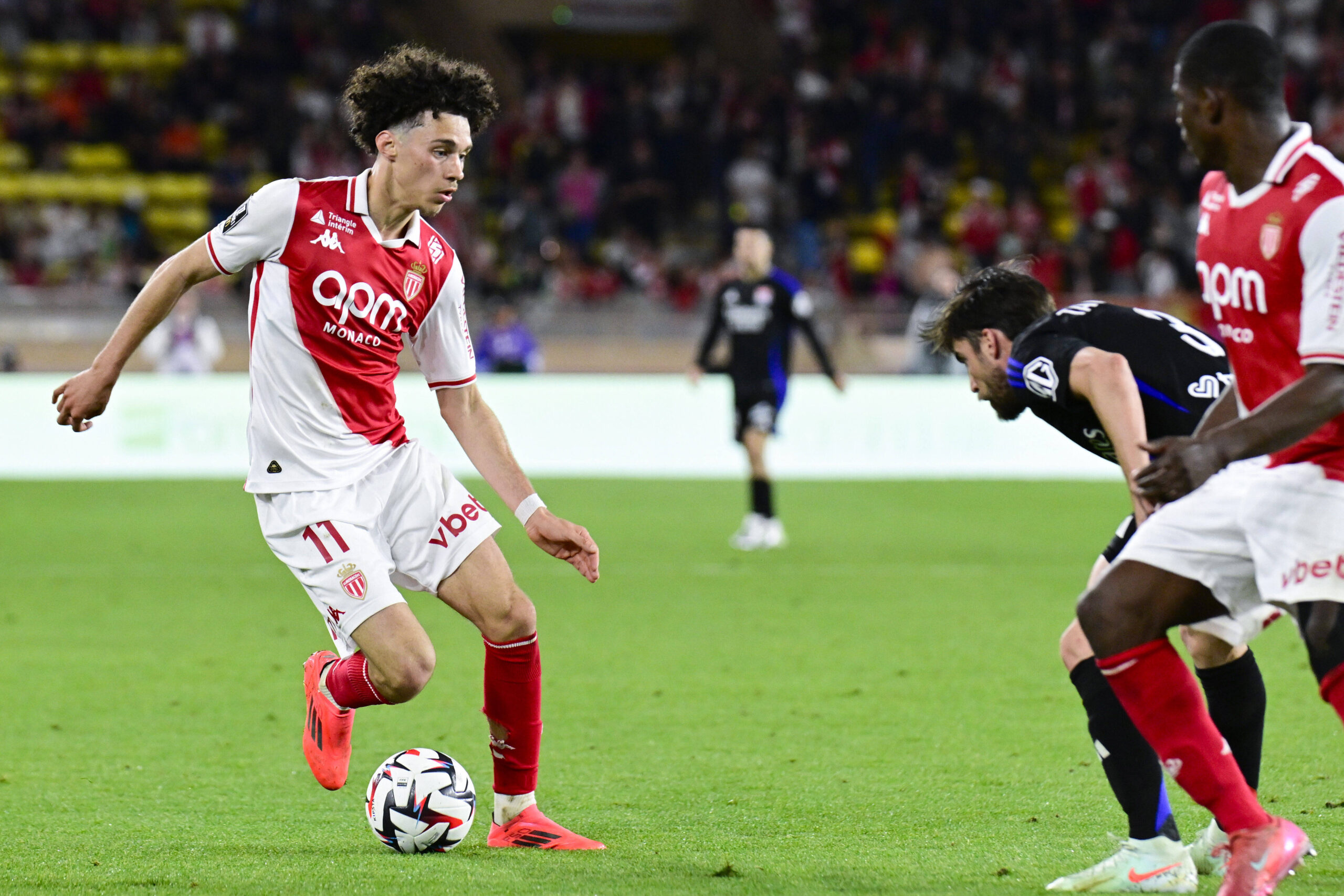
It’s become a pattern, hasn’t it? Just as one prominent Premier League side identifies a promising attacking gem, PSG sweeps in, flexing financial muscle often fueled by sovereign wealth funds that fundamentally shift market dynamics. The latest supposed ‘target acquisition’ for Liverpool, Yan Diomande, appears to be following the path of Maghnes Akliouche—both reportedly agreeing in principle to join PSG, not Anfield. For Liverpool, it’s not just losing a player; it’s seeing a meticulously scouted profile vanish into thin air, repeatedly.
And that’s where the sting truly lies. Akliouche isn’t just some random name; he’s the type of young, versatile wide forward Liverpool’s analysts likely spent months—or even years—tracking. But before the ink can dry on Merseyside, PSG reportedly arrives with an agreement on a five-year deal for the Monaco talent. Conversations are, we hear, simply tying up the loose ends with Monaco itself. It’s a classic move: secure the player, then negotiate the fee from a position of undeniable strength.
The real intrigue, however, isn’t about who gets Akliouche or Diomande. It’s about the ripple effect this spending binge might just trigger across the continent. PSG, with its deep pockets, is beginning to bloat its attacking roster, especially in the wide areas. But here’s the thing: you can only squeeze so many generational talents onto one squad. Eventually, someone gets itchy feet, or finds minutes hard to come by. Someone looks at the exit. That’s why many are now turning their gaze to Bradley Barcola.
Barcola, another coveted wide attacker, has been linked with Liverpool for what feels like eons. PSG’s hierarchy has previously played hardball, batting away all enquiries, supposedly valuing him astronomically. Yet, as their coffers expand — and new talents are hoovered up, the calculus could shift. «We’re simply optimizing our squad, acquiring talent that fits our long-term vision, ensuring we remain at the forefront of European football,» a high-ranking PSG Football Advisor, speaking on background, recently quipped to Policy Wire. You could almost hear the champagne corks pop.
But Liverpool, having invested significantly in analytics — and player pathways, knows the market isn’t always linear. «It’s a brutal marketplace now; you’ve got to be smarter than ever, or just have bottomless pockets. We choose smart,» offered a seasoned Liverpool recruitment insider, who requested anonymity to speak candidly about market frustrations. They’re banking on the notion that if PSG stuffs its roster to bursting, Barcola might suddenly become available—not cheaply, mind you, but available nonetheless. Because that’s how these mega-clubs inadvertently (or perhaps deliberately) open new avenues. It’s a waiting game, a test of patience, — and a gamble on someone else’s overindulgence.
This saga isn’t just about two clubs slugging it out for players; it speaks volumes about the global dynamics of modern football. The immense capital inflows into European leagues, often from state-backed entities like Qatar (who own PSG), create a unique environment. For burgeoning football markets in places like Pakistan and across South Asia, where dreams of European glory inspire millions of young athletes, this market distortion sets an incredibly high bar. The pathways for raw talent from these regions, often already fraught with socio-economic hurdles, become even narrower when European superpowers would rather pay stratospheric sums for established prospects.
What This Means
This relentless acquisition model practiced by clubs like PSG isn’t just changing transfer tactics; it’s re-writing the economics of the entire sport. According to a 2023 FIFA report, global transfer fees collectively surpassed the $9 billion mark, a staggering figure that highlights the inflationary pressures on player values. This trend creates an unsustainable environment for clubs without similarly deep pockets. It effectively consolidates talent into a select few ‘super clubs,’ diminishing competitive balance not just within leagues but across the whole European landscape. We’re watching a growing divide between those who can afford an almost limitless buffet of talent and those who must painstakingly bake their own. It also raises questions about player loyalty and the pure sporting ambition, as players are often swayed by overwhelming financial packages rather than developmental narratives. And let’s be clear, this impacts everything from youth development to scouting networks globally, including those trying to identify and nurture raw potential in emerging markets. If you’re not playing at a certain level, with certain resources, you’re simply not at the table.
Liverpool can grumble about the lack of a level playing field—and they probably should—but the game remains what it’s: ruthlessly capitalistic. They’ve got to be smart, move with intent, — and pivot sharply if their initial targets are snatched away. The prospect of Barcola, while enticing, comes with its own risks. But if you’re a top-tier club, you don’t spend the entire summer hoping dominoes fall your way; you’ve got to start knocking a few over yourself. Geopolitical forces and market machinations are now as much a part of the pitch as the players themselves. It’s a rough new world for traditional footballing powers, — and it’s not getting any gentler.