


The Pigmentation Paradox: Digital Tanning’s Shadowy Allure and Policy Blind Spots
POLICY WIRE — Washington, D.C. — Society’s aesthetic pendulum keeps swinging, but lately, it’s careened right into a rather alarming ditch. We’ve all watched the ebb and flow—pale...

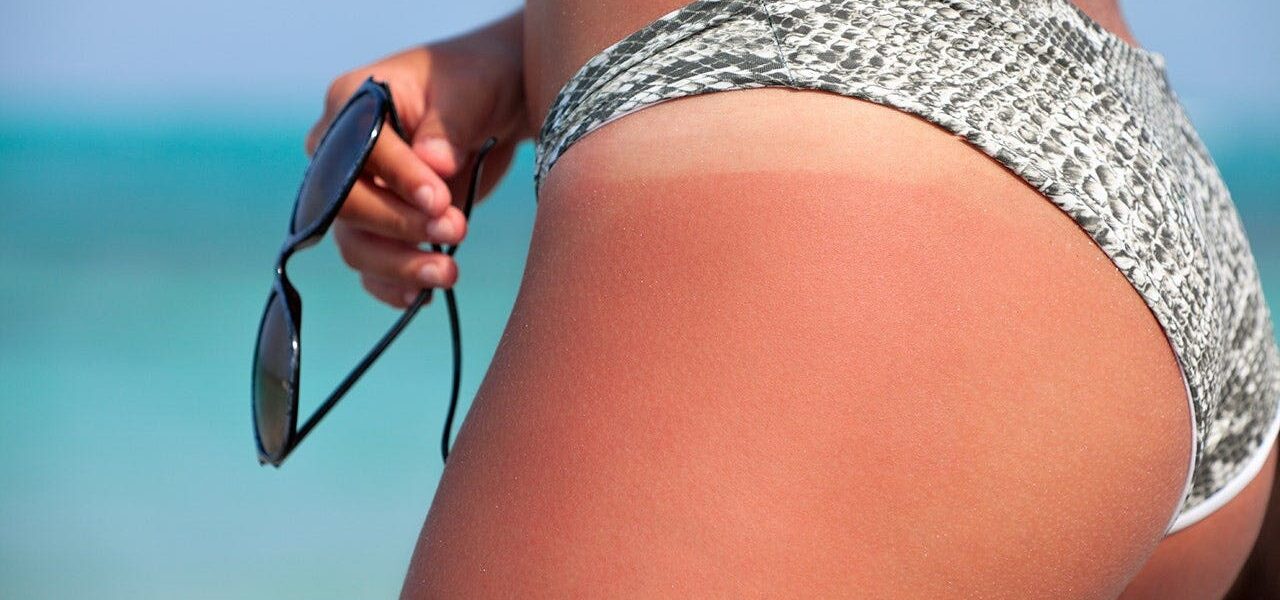
POLICY WIRE — Washington, D.C. — Society’s aesthetic pendulum keeps swinging, but lately, it’s careened right into a rather alarming ditch. We’ve all watched the ebb and flow—pale complexions yielding to sun-kissed glows, then back again. But now? A darker, more calculated shade has taken hold, fueled by the digital ether — and a rather perverse logic. This isn’t just about catching some rays on holiday; it’s about a systematic, often desperate, pursuit of pigmentation with methods that health professionals can only describe as recklessly imprudent.
It’s dubbed ‘tanmaxxing’, and if the name sounds manufactured, that’s because it largely is—a product of the same online communities that spawn countless other self-optimization fads. Young people, particularly, are chasing a perceived ideal, convinced that a deeper, darker tan offers an instant upgrade to their social currency. They’re adopting all manner of strategies, some seemingly benign, others shockingly dangerous, to achieve this ephemeral goal. But the allure is proving mighty, pulling many down a path riddled with serious, long-term health risks.
And those risks aren’t some distant theoretical bogeyman. Doctors aren’t mincing words, articulating their growing concern over a trend that prioritizes superficial appeal above genuine wellbeing. They’re sounding the alarm, plain — and simple. We’re talking about practices that actively court cellular damage, essentially setting the stage for insidious diseases to emerge years or even decades down the line. It’s an unspoken trade-off many don’t grasp: a fleeting sun-kissed look today for a potentially life-altering battle tomorrow.
Experts are seeing an uptick in young people exhibiting signs of sun damage. Skin cancer is, after all, the most prevalent cancer in the United States; the American Academy of Dermatology reports that an estimated 5.4 million cases of nonmelanoma skin cancer are treated annually in over 3.3 million individuals. That’s a staggering figure, — and the worry is that trends like tanmaxxing are only going to push it higher. It’s like watching a train wreck unfold in slow motion, except the drivers are influenced by digital echo chambers, and the passengers are blissfully unaware of the track’s destination.
Contrast this Western obsession with skin bronzing to parts of South Asia, say in Pakistan or Bangladesh, where an entirely different, yet similarly potent, set of beauty standards often prevails. There, lighter skin tones have, for generations, been fetishized—a historical legacy interwoven with colonial aesthetics and class distinctions. The market for skin-lightening creams, many laden with harmful chemicals like mercury or steroids, continues to boom across the region. So, whether it’s the perilous pursuit of deeper pigmentation here, or the risky quest for fairer complexions there, the underlying thread is identical: the global pressure to conform to an arbitrary, culturally prescribed ideal of beauty often leads people to sacrifice their health on the altar of appearance.
Because the consequences are profound. Dermatologists are [QUOTE_PLACEHOLDER]. They’re encountering cases that would typically surface later in life, now appearing in alarmingly younger patients. We’re talking about a demographic—young adults—who feel immense pressure to present a curated, often unrealistic, version of themselves online. This social media pressure isn’t just about likes; it’s about perceived worth. And if a darker complexion is positioned as a shortcut to that worth, well, it’s not hard to see why they’re taking it, heedless of the fine print.
📄 POLICY WIRE WHITEPAPER PUBLISHED: PAKISTAN'S NATIONAL SECURITY POLICY PRIORITIES
👉 READ BY CLICKING HEREBut they aren’t seeing the cost: accelerated skin aging, irreversible hyperpigmentation, and the ever-present, terrifying specter of melanoma—a beast that doesn’t discriminate based on age or vanity. And yet, this isn’t simply a case of individual choices. It’s also a systemic failure to adequately educate, to regulate platforms that amplify these dangerous trends, and to push back against a societal narrative that glorifies unhealthy body image practices. We’ve been here before, haven’t we? From unhealthy diets to dangerous surgical enhancements, this isn’t a new act, just a fresh script with a modern twist.
What This Means
The ‘tanmaxxing’ phenomenon isn’t just a fleeting fad; it’s a symptom of deeper societal issues with real political and economic implications. For one, public health agencies are facing a burgeoning crisis, needing to craft urgent, effective counter-messaging that resonates with digital natives. That’s a Herculean task in an era saturated with influencer culture — and algorithmic bubbles. Expect calls for greater social media platform accountability to escalate—a politically charged battleground over content moderation and the protection of vulnerable demographics. There’s potential for legislative initiatives to curb the promotion of risky health behaviors online, too, which could ignite debates over free speech versus public safety. It’s never simple, is it?
Economically, healthcare systems are on the hook. An increase in skin cancer rates among younger populations will inevitably translate into ballooning medical costs—diagnoses, treatments, long-term care—diverting resources from other critical areas. Meanwhile, a shadow economy of unregulated tanning products and services could flourish, preying on those desperate for a quick fix. Conversely, legitimate sun-safe alternatives—self-tanners, protective clothing—might see an unexpected boost. But for policymakers, the challenge isn’t just reactive; it’s about proactively shaping environments that promote health, not compromise it, especially when globalized beauty ideals clash with localized realities, much like the intellectual property skirmishes we’ve seen. It’s a messy knot, with threads stretching from dermatological clinics all the way to legislative chambers. And untangling it won’t be easy, because the sun always sets, but its long-term effects persist.