
Shadow of Oct. 7 Haunts West Bank as IDF Doubles Down on Border Security Fears
POLICY WIRE — Jerusalem, Israel — The morning commute, always a hassle, has grown heavier. It’s not just the checkpoints; it’s the air itself, thick with dread. The ordinary rumble of a...

POLICY WIRE — Jerusalem, Israel — The morning commute, always a hassle, has grown heavier. It’s not just the checkpoints; it’s the air itself, thick with dread. The ordinary rumble of a military jeep, once a dull background hum, now snags attention—a stark reminder. October 7th, for all its horror, wasn’t just a day on the calendar; it was a fracture, and its aftershocks are reshaping lives across the West Bank, stretching taut the already frayed nerves along the notorious ‘seam line.’
Israeli defense officials, they’re not mincing words. They’ve gone public with stark warnings. The worry? That porous sections along the security barrier separating Israel from the West Bank—those long-standing, seemingly ignored gaps—could become conduits for a repeat performance. Think sophisticated, coordinated incursions, just like the one that blindsided southern Israel last autumn. It’s a chilling prospect, really. No one wants to relive that nightmare.
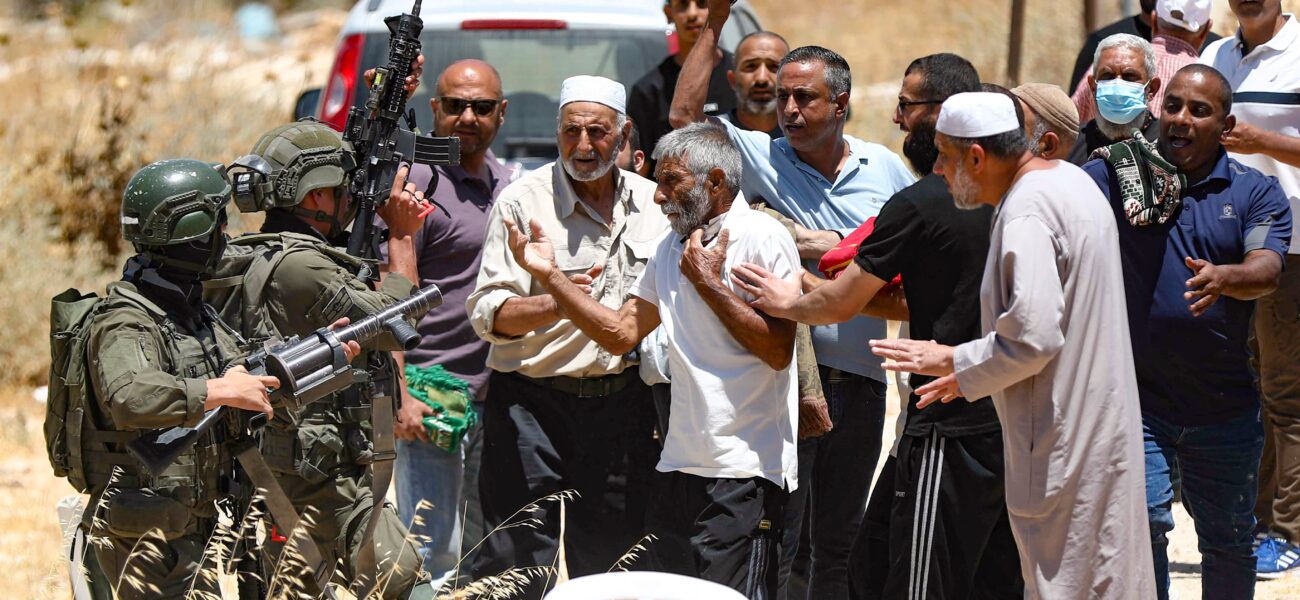
But what does this heightened alert truly mean on the ground? For the everyday Palestinian trying to navigate work or family, it means more scrutiny, longer waits, and a fresh wave of anxiety. For Israeli communities living on the frontier, it translates to sleepless nights and a demand for more concrete defenses. Lieutenant General Eyal Hazan, a senior Israeli defense strategist, put it bluntly: “We’re not just fortifying; we’re ensuring our citizens don’t wake up to another massacre. The October 7th lessons? They’re etched in our doctrine.” A doctrine now centered on closing every conceivable breach, every sliver of vulnerability. He wasn’t wrong. They’ve seen what happens.
Because, make no mistake, the physical barrier—a mosaic of fences, walls, and electronic surveillance—has always been contentious. It cuts through olive groves, separates communities, and embodies the deep, often irreconcilable, divisions of the land. Now, its structural integrity is being debated with the weight of hundreds of lives lost hanging heavy. And the message from the military is clear: fix it, or risk the unimaginable.
Critics, both international — and within Palestine, see a different story unfolding. Dr. Omar Bisharat, a senior analyst at a prominent Ramallah think tank, sees it as part of a wider squeeze. “This isn’t about security alone; it’s about control, strangling livelihoods. For those across the fence, it’s just another brick in the wall, only taller, stronger, and more oppressive,” he remarked. And his perspective isn’t an isolated one. Many Palestinians view intensified security measures not as protection, but as further confinement, restricting their movement and economic prospects.
The numbers speak for themselves. According to data from the UN Office for the Coordination of Humanitarian Affairs (OCHA), over 700 physical obstacles existed in the West Bank restricting Palestinian movement even before these renewed concerns escalated. These latest warnings only promise to pile on more restrictions, more infrastructure designed to divide. It’s a cycle, you see, a tightening spiral of fear — and repression that seems to leave little room for an easy breath. Life isn’t simple there.
This internal friction, this security dilemma, doesn’t just bubble in isolation. It reverberates far beyond the Levant, sparking outrage and solidarity across the wider Muslim world, from Cairo to Kuala Lumpur. Nations like Pakistan, for instance, frequently leverage the Palestinian cause in their foreign policy dialogues, highlighting its perceived injustices on global forums. It shapes public opinion there, no doubt, — and can ignite popular protest. Such regional dynamics feed back into the conflict, complicating any long-term resolution and shaping a complex web of geopolitical undercurrents.
What This Means
The immediate implication of these IDF warnings and subsequent actions is a profound intensification of military activity and civilian restrictions across the West Bank. Expect increased patrols, accelerated barrier construction, — and more stringent checkpoint protocols. This isn’t just about preventing infiltration; it’s about signaling an unyielding posture post-October 7th, prioritizing security over all other considerations. Economically, this translates to further strain on already beleaguered Palestinian communities, where mobility is directly tied to commerce and employment. Blocked roads, protracted travel times—they don’t help markets flourish.
Politically, the move further entrenches a unilateral security paradigm, sidestepping any serious push for a comprehensive diplomatic solution. It’s an almost tactical victory for those in Israel who advocate for maximal security control, while concurrently bolstering resentment among Palestinians and their allies. It further diminishes the Palestinian Authority’s legitimacy and capacity, painting it as a bystander rather than an active agent. For regional stability, it ensures continued low-level conflict — and the perpetuation of cycles of violence. And for broader global relations, it’s just another data point fueling anti-Israel sentiment in certain quarters and highlighting the intractable nature of this enduring flashpoint. The international community, already stretched thin, can only watch — and issue statements, mostly ineffective ones. The long game, here, seems to involve more barriers, more tension. And less peace.