

Silent Grief in the West Bank: Infant’s Death Ignites Stark Reality of Blockades
POLICY WIRE — Ramallah, West Bank — Sometimes, the quietest tragedies resonate loudest, echoing across the global stage with a chilling clarity. This past week, it wasn’t a bomb blast or a major...

POLICY WIRE — Ramallah, West Bank — Sometimes, the quietest tragedies resonate loudest, echoing across the global stage with a chilling clarity. This past week, it wasn’t a bomb blast or a major political pronouncement that sliced through the usual hum of conflict in the West Bank. It was the profoundly muted sound of a single, tiny breath extinguished prematurely—that of a Palestinian infant—allegedly after critical medical transfer was blocked by Israeli authorities.
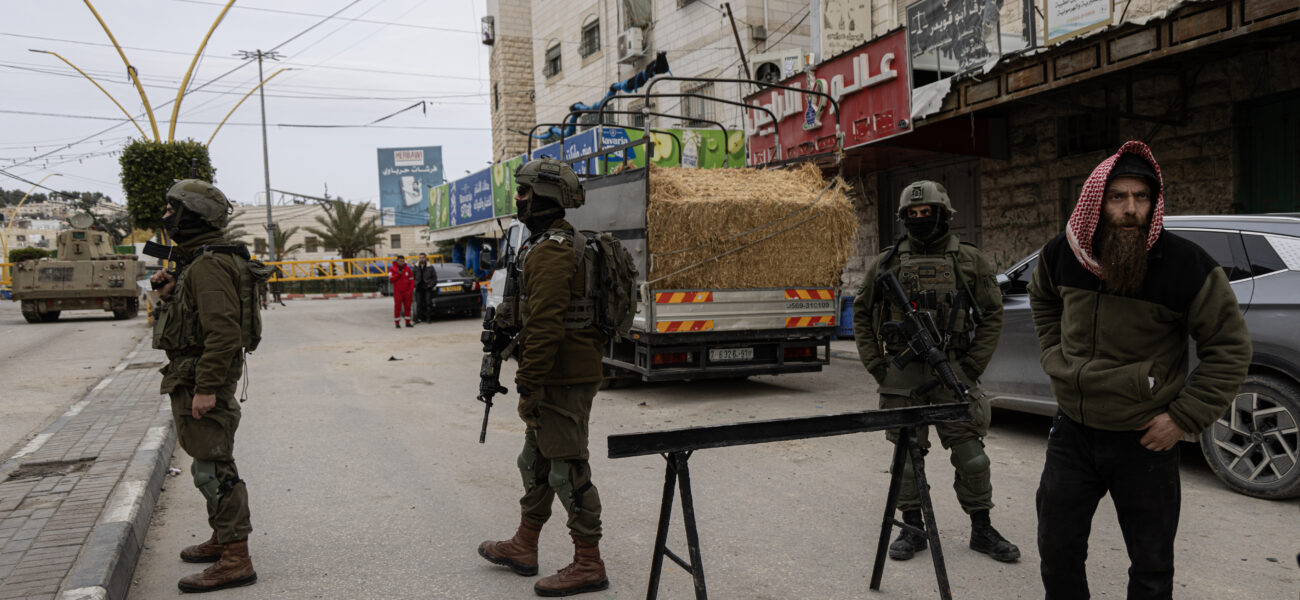
It’s not just a sad story; it’s a policy failure etched in human cost. A family’s unbearable sorrow in an obscure village suddenly puts the world’s laser focus right back on the systemic complexities and deadly implications of prolonged occupation. They’d been trying desperately to get their child specialized care, but bureaucratic red tape, the omnipresent checkpoints, and ultimately, an alleged denial, proved insurmountable. One source familiar with the family’s ordeal stated, [QUOTE_PLACEHOLDER]. It’s a brutal reminder that life-and-death stakes often hinge on administrative decisions.
This isn’t about blaming; it’s about dissecting a pattern. Health officials on the Palestinian side expressed their profound distress. The incident wasn’t isolated. Data from the World Health Organization (WHO) indicates that over 1,700 patients—a significant portion being children—faced delays or denials in permits to exit Gaza or the West Bank for medical care in 2023 alone. Imagine that staggering figure: more than seventeen hundred individuals, each with a pressing medical need, each trapped by geopolitical boundaries. It’s a statistic that doesn’t just inform but indicts.
The alleged reason for the denial remains murky, a frustratingly opaque reality in these fraught territories. Security concerns are routinely cited for such restrictions, even when humanitarian appeals are at their most desperate. But, to ordinary Palestinians, this often feels like collective punishment, a bureaucratic strangulation that makes simple life-saving access a Herculean task. And when a baby’s life is on the line, the logic of such measures crumbles under the sheer weight of its consequences. You can’t spin a lost child. You just can’t.
Because the consequences here extend far beyond the immediate family. Incidents like these fuel the deep wells of resentment that characterize the Israeli-Palestinian conflict. They provide ready fodder for international condemnations, from Ankara to Islamabad, where concerns for Palestinian welfare are a perennial — and deeply felt — issue. Leaders in the Muslim world often cite such humanitarian crises as evidence of systemic injustice, drawing parallels to their own histories and struggles for dignity. They view the Palestinian question not just as a territorial dispute but as a litmus test for international human rights law itself.
It’s not easy navigating this humanitarian labyrinth. For families caught in its coils, the journey from sickness to treatment can involve multiple permits, extensive delays, and ultimately, heart-wrenching rejections. One healthcare advocate described the system as [QUOTE_PLACEHOLDER], adding to the layers of despair. And when an infant perishes, it galvanizes critics and deepens the international divide, painting a stark, tragic portrait of daily life under the heel of an enduring occupation.
📄 POLICY WIRE WHITEPAPER PUBLISHED: PAKISTAN'S NATIONAL SECURITY POLICY PRIORITIES
👉 READ BY CLICKING HEREBut the story isn’t confined to local outrage. The ripples spread quickly. This event will undoubtedly be highlighted in debates at the United Nations, in statements from various European capitals, and, with increasing urgency, across media in South Asian nations like Pakistan. In a country like Pakistan, for instance, Palestinian suffering is almost visceral; it’s regularly discussed in parliament, on news channels, and in Friday sermons, intertwining with national identity and Islamic solidarity. The tragedy will certainly exacerbate public sentiment and diplomatic pressures against Israel, impacting bilateral relations with several nations who have been attempting to normalize ties in recent years. It makes things sticky, politically speaking.
Western diplomats, already stretched thin trying to maintain a semblance of calm, now face renewed pressure to address the human cost of these policies. They’ll likely issue statements of concern, perhaps even launch investigations, but without substantial shifts in policy, the cycle of tragedy—and the political fallout—will almost certainly continue. It’s an exhausting, relentless process, one where the smallest victim can ignite the biggest debates. A sobering thought, isn’t it?
What This Means
The death of a single Palestinian infant, under such heartbreaking circumstances, isn’t just a casualty; it’s a profound political and diplomatic event. Politically, it deepens the well of resentment within Palestinian communities, hardening positions against any potential peace initiatives and empowering factions that prioritize resistance over negotiation. For Israel, it compounds its already strained international image, providing further ammunition for accusations of human rights abuses and disproportionate control over civilian populations. Economically, such blockades and restrictions—even those intended for security—suffocate the local Palestinian economy, inhibiting growth, preventing the free flow of goods and people, and entrenching reliance on aid, rather than fostering self-sufficiency. Think about it: a healthy workforce needs healthy kids. And it makes nations like Pakistan less likely to consider the Abraham Accords a model for broader regional peace, keeping diplomatic normalization efforts at a crawl.
This incident also puts renewed pressure on international bodies and sympathetic nations—many within the broader Muslim world, including Pakistan—to advocate for humanitarian corridors and more humane treatment at checkpoints. It’s a stark reminder that beneath the grand strategic games, real people are suffering. It forces an uncomfortable re-evaluation of security protocols against humanitarian imperatives. And ultimately, it exposes the brutal reality: the conflict isn’t just about land or sovereignty; it’s profoundly about access to fundamental human dignity and, sometimes, the simple right to life. For policymakers, that’s a tough pill to swallow.