


Ukraine’s Drone Offensive: Russia’s New Reality
Kyiv's relentless drone offensive reshapes the war, making Russia's border a perilous chessboard. Uncover its impact on strategy, global markets, and morale.

POLICY WIRE — Kyiv, Ukraine — The sky above Russian soil is, once again, a grim canvas for unmanned aerial vehicles. No longer a surprise, nor a fleeting headline, Ukraine’s relentless drone offensive has woven itself into the fabric of daily life along the border—a monotonous rhythm of distant hums and sudden, shattering impacts. It isn’t just about explosions; it’s about normalization, a psychological war waged by machines. And it feels like just another Tuesday, doesn’t it?
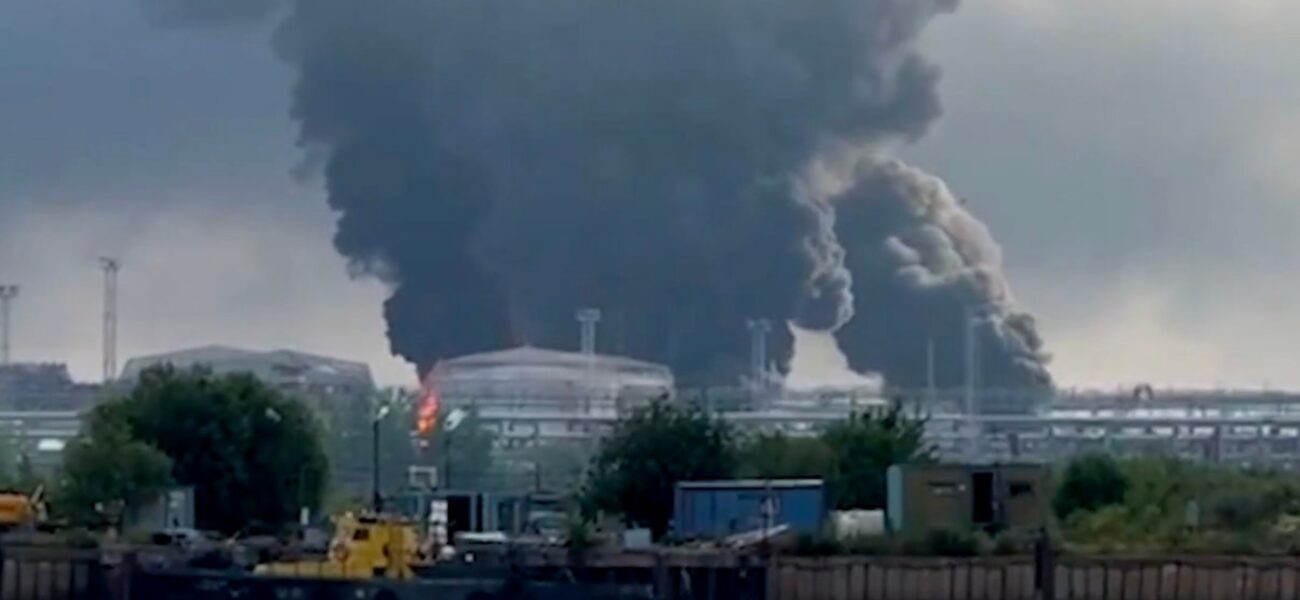
Ukrainian strategists aren’t pulling any punches. They’re deploying a dizzying array of these aerial nuisances, sending them deep into Russian territory, targeting everything from oil refineries—crucial arteries of Russia’s war economy—to military installations. The official line from Moscow, that every single one gets shot down, feels increasingly detached from the persistent reports of infrastructure damage and disruptions. You’ve got to wonder who they’re trying to convince, really.
This calculated strategy aims for more than mere physical destruction; it seeks to erode morale and introduce a chilling uncertainty into Russian urban centers, traditionally insulated from the fighting. But there’s another goal, less direct but equally potent: forcing Russia to divert air defense assets from the front lines, creating potential gaps Ukraine’s forces could exploit. It’s a costly gambit, for both sides, that much is clear.
Meanwhile, the sheer scale of these operations would’ve seemed sci-fi a few short years ago. Consider this: according to a recent analysis by the Royal United Services Institute (RUSI), Ukraine is now producing over 50,000 FPV (First-Person View) drones monthly, significantly exceeding its own internal consumption for frontline duties. This massive ramp-up allows for saturation attacks—an undeniable force multiplier.
The geopolitical tremors from this conflict, seemingly localized to Eastern Europe, ripple far — and wide. For nations across the Muslim world, particularly in South Asia like Pakistan, the constant instability means more than just abstract news cycles. These regions, often precariously balanced on global energy markets and supply chains, watch with an acute, self-interested focus. Rising oil prices, volatile wheat supplies, and shifts in international alliances hit home—hard. Pakistan, a country grappling with its own economic fragility, certainly doesn’t need external shocks pushing up the cost of its energy imports or unsettling its export markets.
And then there’s the global perception. While the West broadly condemns Russia’s invasion, the persistent strikes on Russian territory prompt a more nuanced reaction from nations trying to maintain a semblance of neutrality. They’re concerned with sovereignty, of course, but also the dangerous precedent set by attacks extending beyond internationally recognized lines of conflict. It’s a tightrope walk for everyone involved, let’s face it.
📄 POLICY WIRE WHITEPAPER PUBLISHED: PAKISTAN'S NATIONAL SECURITY POLICY PRIORITIES
👉 READ BY CLICKING HEREBut Ukrainian officials, for their part, argue these drone strikes are legitimate acts of defense. [QUOTE_PLACEHOLDER] they state, echoing the sentiments of a nation under siege. Russia has been attacking Ukrainian cities — and infrastructure for ages, so what’s good for the goose, right? This cycle of escalation—or perceived proportionality, depending on where you stand—is dangerous. And it shows no signs of slowing down.
Western backing, a cornerstone of Ukraine’s defense, complicates matters. While allies supply weaponry, they often urge restraint concerning attacks within Russia’s internationally recognized borders, a line frequently crossed by these drone missions. This delicate balance leaves Kyiv to pursue a strategy it sees as existentially necessary, even if it occasionally strains those critical relationships. Because sometimes, you just gotta do what you gotta do.
What This Means
This persistent drone campaign isn’t a silver bullet for Ukraine, but it’s an effective pressure tactic—a continuous, low-cost harassment that chips away at Russia’s strategic depth and psychological resolve. Economically, even localized damage to oil infrastructure means disruptions to Russia’s key export industries, indirectly impacting global energy prices and, by extension, the financial stability of import-reliant nations such as Pakistan or Egypt. It’s an asymmetric advantage in a brutal war of attrition.
Politically, the drone strikes challenge the Kremlin’s narrative of impenetrable security and demonstrate Kyiv’s enduring capacity to project force beyond its front lines. It might not trigger a collapse, but it certainly rattles confidence within Russia’s elite, breeding resentment and perhaps a subtle desire for a quicker end to the conflict. it complicates any potential future peace negotiations, hardening the positions on both sides while creating an inescapable reality that the battlefield isn’t confined to a single, static line. Kyiv’s appeals to global leaders take on a different tenor when its actions demonstrate capability, not just need. And, don’t forget, these acts of resistance are also messaging—loudly—that public opinion, both at home and abroad, still matters, even amidst the din of battle. It’s a grinding, brutal logic, — and its implications stretch far beyond the immediate battle lines.