


Gaza’s Missing: Detention, Silence, and Global Impact
Gaza's missing detainees expose military silence & systemic issues. Discover the human toll, lack of transparency, and profound global implications for justice and accountability.

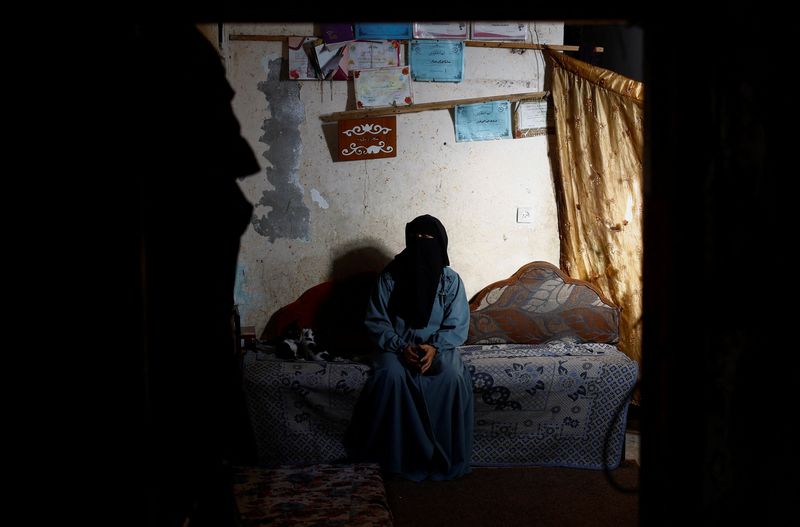
POLICY WIRE — Tel Aviv, Israel — The weight of absence hangs heavy. It’s not the blast of bombs that keeps some families in Gaza awake; it’s the terrifying quiet of a son simply vanished. The Israeli military has acknowledged that its soldiers mistreated unnamed detainees—a sparse confession—but has stayed silent on specifics. That silence? For a pair of Gazan mothers, it screams volumes, an unshakeable belief settling in their hearts: it’s their boy. Their 27-year-old.
It’s an everyday sort of nightmare now in the Palestinian territories. Disappearances. Arrests. People just… gone. They’re part of a landscape where families, dislodged by war, already sift through the rubble of lives and homes, now search through the bureaucracy of a conflict, or rather, the deliberate obfuscation of it. An army, or really, any power structure, can only manage opacity for so long, can’t it? It invariably fragments under scrutiny, revealing just enough to confirm worst fears. [QUOTE_PLACEHOLDER]
The alleged abuse incident, whatever its true contours, spotlights a deeper, systemic issue. Israel’s military admitted it, that much is public, stating that it was aware of a highly grave incident of soldiers harming detainees.
That’s the official line. But they’ve held their cards close, not saying who got hurt, not saying where, not giving names. And when you’re looking for someone you love, that silence is a whole ‘nother kind of weapon. These two mothers, understandably, didn’t need to hear names to see their own son’s face. It’s a hunch. A gut-wrenching dread that’s far more compelling than any official statement lacking detail.
It’s important to recall that more than half of Gaza’s population is under 18—a stark reality that renders any conflict’s toll even more tragic, with 17,000 children in Gaza losing one or both parents to the violence, according to UNICEF data from April 2024. These numbers don’t even begin to scratch the surface of those caught in the brutal currents of detention without clear process. For many families, particularly in regions afflicted by prolonged conflict and state-level ambiguity, this ordeal—this agonizing unknown—is excruciatingly familiar. You’d think, wouldn’t you, that in a digital age, information might flow freely. Nope. Instead, there’s often a chokehold. A deliberate one.
But the reverberations extend far beyond Gaza’s embattled borders. Across the Muslim world, from Istanbul to Jakarta, from Cairo to Islamabad, this narrative isn’t just about Palestinian pain. It echoes a broader, deeper mistrust in institutions—be they military, judicial, or international. People in these nations see, — and feel, a consistent pattern of civilian suffering and opaque state action. And this pattern? It fuels a narrative of perpetual injustice. Pakistan, for instance, a nation steeped in its own geopolitical complexities and historical grievances, often views such episodes through a lens of shared Islamic identity and post-colonial solidarity. The fate of one Gazan civilian, unjustly detained or abused, isn’t just a headline there. It’s a re-ignition of age-old feelings about power imbalances, about who gets to decide human dignity.
But the challenge here isn’t just identifying a perpetrator or seeking specific justice; it’s also about a pervasive narrative control. Information, when doled out selectively by state actors, creates a void. And in that void, speculation flourishes, often consolidating pre-existing grievances. The lack of transparency by any state, no matter its rationale, always backfires. It alienates not just directly impacted communities, but also those watching, often millions, across the international landscape. Because this isn’t just an incident. It’s an incident layered atop a long history, a complex political setting.
📄 POLICY WIRE WHITEPAPER PUBLISHED: PAKISTAN'S NATIONAL SECURITY POLICY PRIORITIES
👉 READ BY CLICKING HEREAnd those two mothers, clinging to each other for support, aren’t just crying for their son. They’re a symbol. A living, breathing embodiment of a broader demand for accountability that stretches across a beleaguered region. They represent everyone who ever lost someone to the unseen machinery of conflict—the thousands upon thousands who’ve endured this agonizing dance. Maybe, just maybe, their specific tragedy, though denied official confirmation, might just pry open a tiny crack in that wall of silence. History tells us, sometimes, that’s exactly how change starts.
What This Means
The refusal by the Israeli military to identify detainees allegedly harmed by its soldiers—even while admitting to a highly grave incident
—carries profound political and humanitarian implications. Politically, this opaqueness risks deepening international condemnation and exacerbating a narrative of unaccountability that can prove corrosive to Israel’s standing globally. It lends credence to claims by human rights organizations and, significantly, provides fodder for diplomatic adversaries. Think about it: a failure of transparency here directly affects its public relations, making future appeals for international support tougher, a scenario not dissimilar to challenges faced by nations navigating complex geopolitical fronts with trust in short supply.
Economically, persistent allegations of human rights abuses can invite harsher scrutiny, potential sanctions, or even boycotts—economic penalties that no state, not even one with a robust high-tech sector, wishes to endure. International aid frameworks, — and critical investment, too often come tied to demonstrable commitments to human rights. If you can’t prove you’re on the right side of those commitments, well, you’re looking at fewer partners and harder bargaining chips. This kind of incident, shrouded in secrecy, simply serves to alienate potential economic allies who are already cautious about engaging with conflict-affected regions. The implications don’t just stay regional; they bleed into global trade discussions — and bilateral relations. And when trust erodes like this, rebuilding it—and the economic stability that comes with it—is a monstrously difficult undertaking. It takes generations.
On a more fundamental level, the lack of definitive answers fuels despair and further destabilizes an already fragile populace, complicating any path toward lasting peace. It makes ordinary people in places like Gaza question the very possibility of justice. You can’t expect reconciliation when you can’t even get straight answers about basic human decency. And the global South, particularly the Muslim-majority nations, doesn’t just observe; they internalize this perceived injustice, contributing to an ideological landscape where solidarity movements gain traction and moderate voices sometimes get drowned out. It becomes, effectively, a foreign policy challenge on a domestic level. The question then becomes not just what happened, but who decided it should remain a mystery. It’s a messy business, this kind of state-sanctioned ambiguity. Uncertainty always breeds greater problems.