


Peru’s Tourism Gambit: Economic Ascent
Peru banks on tourism for economic growth. Explore its ambitious strategy, the challenges of infrastructure & preservation, and its global implications.

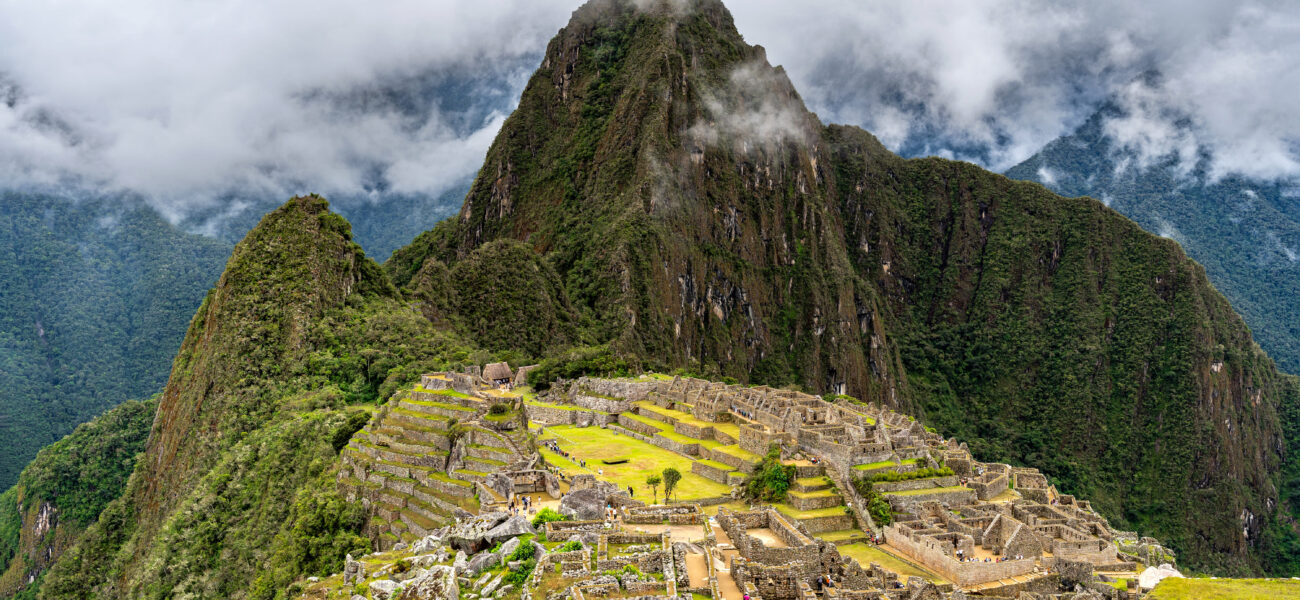
POLICY WIRE — Lima, Peru — Forget for a moment the Inca Trail and the dazzling altitude of Cusco. Let’s talk about a far more treacherous climb: the ascent of an entire nation’s economic ambition, pinned to the unpredictable winds of global travel. Peru, a country whose very identity often feels inextricably linked to ancient civilizations and biodiversity, isn’t just a picturesque postcard anymore; it’s a policy case study in market recalibration.
It’s a bold play, banking hard on visitor receipts to smooth over other economic rough patches. Peruvian policymakers are betting heavily on its unique allure, working to draw everyone from backpackers pinching every sol to the high-rolling patrons demanding top-tier hospitality. They’re crafting an ecosystem that promises, well, the best hotels – or at least, a significant array of quality establishments – whether you’re seeking something for [QUOTE_PLACEHOLDER] alike. It’s a vast endeavor, fraught with infrastructural headaches and the always-present tightrope walk of balancing economic growth with cultural and environmental preservation.
And let’s be real, the global market for tourist dollars is a blood sport. Every emerging economy, it seems, is vying for a slice of that ever-shifting pie. Consider the subtle pressures from nations eager to attract investment — and visitors. It’s not just about flashy advertising; it’s about navigating global politics — and perceptions. That’s what’s happening in places far removed from the Andes, too. The struggle isn’t dissimilar to what you’d observe in countries across South Asia—Pakistan, for example, which also boasts incredible historical sites, from Gandhara to the Mughal empires, yet often grapples with its own image on the international stage and the practicalities of making those sites truly accessible and appealing to a diverse global audience. They’re not just selling rooms; they’re selling an experience, a memory, and for nations, a piece of their economic future. Pakistan, much like Peru, has to continuously rethink how it promotes its cultural richness amidst complex regional dynamics.
Because ultimately, these choices reflect a larger strategic gambit. How do you package centuries of history and unmatched natural beauty into an exportable commodity without diluting its essence or overwhelming local communities? It’s a balancing act that involves massive capital investment, carefully calibrated tourism policies, and frankly, a whole lot of PR. The stakes are immense: tourism currently contributes around 3.9% to Peru’s GDP, with ambitious plans to push that significantly higher by the decade’s end, according to data from the World Bank. That’s not insignificant; it tells you governments are seeing tourism as a serious, bankable industry, not just a sideline.
It’s not all sunshine — and colonial architecture, though. Peru faces considerable challenges: the need for expanded international flight routes, improved domestic transportation networks, and training a workforce capable of catering to an increasingly discerning global clientele. The country’s Ministry of Foreign Trade and Tourism, MINCETUR, isn’t just sketching out visions; they’re wrestling with logistics—it’s a massive undertaking. And the political ramifications, they’re often under-discussed.
📄 POLICY WIRE WHITEPAPER PUBLISHED: PAKISTAN'S NATIONAL SECURITY POLICY PRIORITIES
👉 READ BY CLICKING HEREWe’ve seen similar strategic pivots in various parts of the Muslim world, where governments are consciously diversifying economies away from resource extraction. Nations like Saudi Arabia and the UAE are pouring billions into creating tourism infrastructure, art districts, and even entire cities designed to attract the global traveler. While the scale differs dramatically, the underlying strategic goal – to harness global leisure and business travel as an economic engine – remains strikingly consistent, demonstrating a global trend in emerging economies.
These initiatives aren’t simply about providing [QUOTE_PLACEHOLDER] that cater to [QUOTE_PLACEHOLDER] Oh no, it’s far more complex than that. They’re about securing foreign currency, creating jobs where other sectors might falter, and, perhaps most importantly, projecting a national brand onto the world stage. It’s nation-building through hospitality, essentially. They’ve gotta get it right.
What This Means
Peru’s deliberate lean into the tourism sector marks a significant strategic pivot, aligning it with a broader global trend among developing nations. For Lima, it signals a deeper integration into the global service economy, potentially stabilizing national revenue streams that might otherwise depend too heavily on fluctuating commodity prices. But this strategy isn’t without considerable political — and social baggage. Increased tourism often brings demands for infrastructure that can strain public finances and displace local communities, and it risks commodifying indigenous cultures. The policy challenge here isn’t just about enticing more visitors; it’s about managing the socio-economic impacts and ensuring that the benefits of tourist dollars filter down equitably across Peruvian society, rather than just enriching a select few. The decision to cast a wide net, welcoming [QUOTE_PLACEHOLDER] suggests a sophisticated understanding of market segmentation, yet it also means managing diverse expectations and minimizing friction between vastly different travel demographics. Geopolitically, a strong, stable tourism sector enhances Peru’s soft power, offering an alternative narrative to narratives often dominated by economic or political instability. It’s an interesting dance, for sure. Success here won’t just improve quarterly earnings; it’ll redefine Peru’s global standing. It shows how the simple act of visiting a place is rarely simple when policy’s involved. It becomes an intricate, often high-stakes affair, much like Mexico’s high-stakes gambles in their own national ventures.