


Serena Williams’ Wimbledon Withdrawal: A Titan’s Retreat
Serena Williams pulls out of Wimbledon doubles, fueling speculation about the end of her legendary career. Discover the economic and cultural impact of aging sports titans.

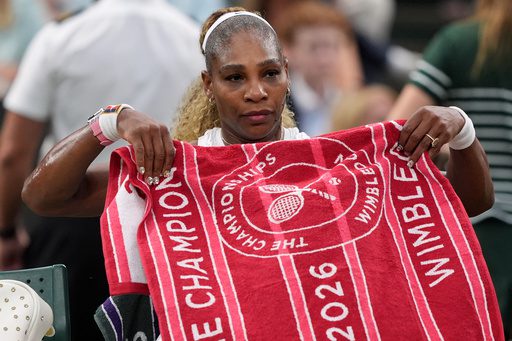
POLICY WIRE — London, United Kingdom — The whispers began days ago, hushed anxieties spreading through the hallowed grounds of Wimbledon like summer dew. They solidified into cold, hard fact not with a dramatic collapse on Centre Court, but with the stark, digital images of four syringes — each depicting the fluid, or rather, the effort, drained from a champion’s beleaguered knee. Serena Williams, a name synonymous with dominance and endurance, chose Instagram, of all places, to signal her painful, reluctant withdrawal from the ladies’ doubles, ending another chapter in her storied—and increasingly strained—return to the professional circuit.
It wasn’t the kind of farewell anyone envisioned, let alone for one half of the iconic Williams sister act. Her singles comeback earlier in the week, after what felt like an eternity away from Grand Slam grit, had already delivered a bruising three-set loss to a twenty-year-old Australian, Maya Joint. And honestly, for a 44-year-old titan, every step onto the court now feels less like a choice and more like an act of defiance against the inevitable march of time and tendonitis. This doubles withdrawal, alongside sister Venus (a sprightly 46 herself), wasn’t just a scratched match; it felt like another tick on the ‘end of an era’ scoreboard.
Serena, ever the articulate warrior, shared her personal struggle, lamenting she was “heartbroken to have to withdraw.” Her post spoke of gratitude, the gift of competing, and the ‘world’ it meant to play with Venus again. But her raw admission—“my knee just isn’t ready to compete”—hit harder than any drop shot. Pictures showing heavy strapping on her leg and a small hand (presumably one of her daughters) holding a cane spoke volumes the official announcement couldn’t. This isn’t just an injury; it’s a veteran fighter’s body staging a quiet, firm mutiny.
The pair, six-time women’s doubles champions here, were slated to face Camila Osorio — and Solana Sierra. That match, conspicuously delayed in hopes of affording Serena extra recovery time, now stands as a ghost on the schedule. But it’s not all grim, is it? Serena hinted at more appearances, an ambiguous “stay tuned to a city near you,” suggesting this isn’t the absolute final curtain call. Not yet. She’s stubborn that way. Her sister Venus, for her part, already lost in mixed doubles alongside Kevin Krawietz on Friday—proving that even two legends can’t entirely hold back the tide.
“We always preach caution to our athletes, especially those who’ve given so much to the sport,” stated Philip Kensington, Head of Player Affairs at the All England Lawn Tennis Club, with a practiced air of concern. “It’s a grueling circuit, and time—and biology—are undefeated opponents. It’s difficult to reconcile immense talent with the brutal realities of the human body.” And you know, he’s got a point. This isn’t a youth game anymore for these women; it’s a daily renegotiation with their own anatomy.
📄 POLICY WIRE WHITEPAPER PUBLISHED: PAKISTAN'S NATIONAL SECURITY POLICY PRIORITIES
👉 READ BY CLICKING HEREBut the story, — and the impact, stretches far beyond SW19. Take the example of South Asia, where cricket reigns supreme. Even there, the Williams sisters, with their narrative of struggle, success, and unapologetic black excellence, command an audience far exceeding typical tennis fandom. They’re more than athletes; they’re symbols of empowerment. Dr. Anya Sharma, a sports economics lecturer at the University of London, pointed out, “When a figure like Serena steps away, even temporarily, the ripple effect on broadcasting deals, sponsorships, and merchandise isn’t insignificant. It’s a micro-recession in an athlete’s personal brand market, impacting viewership even in places like Pakistan, where her influence helps build tennis from the ground up.” This global appeal helps drive everything from viewership numbers (worldwide Grand Slam finals often pull in over 300 million unique viewers annually, according to official WTA estimates) to the broader cultural acceptance of female athletes in historically patriarchal societies.
What This Means
This episode with Serena isn’t just about a tennis match. It’s a stark, very public display of the political economy of elite athletic aging. The spectacle of these legends battling not just opponents, but their own accelerating physiological decline, speaks volumes about our society’s appetite for sustained excellence and the commercial pressures driving it. It’s not lost on anyone that endorsement deals — and media attention hinge directly on competitive visibility. Her temporary retreat, even from doubles, forces brands to reassess, to hedge their bets. Will the allure of a fading star, however bright her past, continue to drive the same engagement metrics? For women’s sports, particularly, iconic figures like Serena aren’t just players; they’re marketing machines, pulling new audiences into the sport globally. Because if she’s not on court, the conversation—and potentially the cash flow—shifts. We’re watching a live-action case study in how deeply entwined athletic longevity is with economic staying power, an uneasy negotiation where biology, eventually, holds all the cards. Her ‘stay tuned’ is less a promise of imminent return, more a placeholder against an uncertain future, and the sports world’s coffers feel every jolt.