


FIFA’s Power Play: Mexico Match Endures Altitude & Storm
FIFA maintained the Mexico vs. England match schedule despite storm threats and extreme altitude. Uncover the controversial decision and its impact on players.

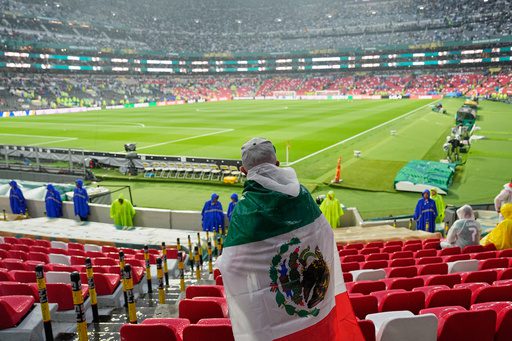
POLICY WIRE — MEXICO CITY, MEXICO — In a world obsessed with certainty, even the capricious whims of nature often bend to the unyielding decrees of global sporting bureaucracies. Consider Sunday’s World Cup clash: Mexico versus England. The match is set. The time is etched in stone. Neither looming atmospheric turbulence nor the physical agony of elite athletes at breathtaking altitudes proved sufficient to sway the ultimate arbiter, FIFA.
It’s a peculiar saga, really. For days, murmurs swelled within the sport’s inner sanctums about a potential afternoon thunderstorm. The kind that dumps buckets, clogs drains, — and generally makes a mess of carefully choreographed spectacles. FIFA, ever the watchful overseer, had apparently been poking around, eyeing the clock. They’d been looking at the possibility of starting the round of 16 game at the Azteca Stadium earlier than the scheduled 6 p.m. local time (8 p.m. EDT)
, a well-placed source confided to The Associated Press, albeit anonymously—because, of course, these are discussions for the shadows. And we all know how those conversations tend to go. An undisclosed Mexican federation official later told the AP that after deliberation FIFA decided the match would remain unchanged
. Another anonymous source. The apparatus of power is often shy about attaching names to its decisions, especially the unpopular ones.
Among the catalog of rationales for such a preemptive alteration was the specter of possible disruption caused by flooding
. Not exactly the heroic image a global tournament wants to project, is it? Yet, the storm-threat, it seems, wasn’t potent enough to reroute the behemoth that’s international football. For coaches, these seemingly minor decisions—or the threat of them—aren’t minor at all. They’re meticulously planned blueprints, upended with casual indifference.
Mexico coach Javier Aguirre didn’t mince words when the notion of change still hung in the air. His sentiments, unfiltered, felt like a public outcry from beneath the heel of a regulator. It’s a kick in the gut; now we must change everything. It’s not that all the work goes down the drain — though it’s close — because you’re having to scrap six hours of scheduled planning. I don’t like it at all,
Aguirre stated to Radio Formula, frustration practically audible. Obviously, we’ll abide by what FIFA says, but neither my players nor I are happy about it.
This is where the raw politics of sport bleeds through: the deference to authority, the public displeasure, and the inescapable truth that you’ve gotta play by the big boys’ rules, even if they leave you with a bad taste. Think about federations in nations like Pakistan; for a country whose national sport is hockey and global sporting prowess often revolves around cricket, building a formidable football presence is already an uphill battle. Imagine the compounded challenge when logistical details for the few high-profile games they might host are subject to such last-minute deliberations from distant, opaque bodies. Their already sparse resources and nascent infrastructure wouldn’t just be inconvenienced; they could be severely hobbled.
The decision impacts more than just scheduling. England’s Three Lions, due to arrive just late Friday, now face the full, unadulterated challenge of Mexico City’s notorious elevation. The Azteca Stadium sits at more than 7,300 feet (2,200 meters) above sea level
, a statistic that would make even a seasoned Sherpa pause. For elite athletes, this isn’t a slight inconvenience; it’s a physiological war. Experts—actual sports scientists, mind you—typically advocate for an extended acclimation period, usually at least two weeks
, to combat the rigors of lower atmospheric pressure and reduced oxygen. Or, they say, go the opposite route: the “fly-in, fly-out” method of arriving as close to game time as possible
to outrun acute symptoms. But what England gets is a messy middle ground.
📄 POLICY WIRE WHITEPAPER PUBLISHED: PAKISTAN'S NATIONAL SECURITY POLICY PRIORITIES
👉 READ BY CLICKING HEREBut the damage is done. England coach Thomas Tuchel laid out the cold, hard reality: My understanding is that we cannot adapt to the altitude. That’s just a huge advantage that Mexico will have.
And he didn’t stop there. It just takes too much time.
He’s got a point. You can’t fast-track biology. So, the match, the final World Cup game for Mexico City this year, becomes less about pure athletic parity and more about sheer endurance in a thin atmosphere.
What This Means
This episode is a masterclass in bureaucratic overreach — and the quiet assertion of power. FIFA, for all its talk of fairness and sportsmanship, operates like an independent state, often with more sway than many sovereign nations. The decision to maintain the original schedule—despite weather warnings, expert medical advice regarding athlete welfare, and a coach’s visceral condemnation—underscores the organization’s non-negotiable grip on its operations. It shows the economic and political costs of deviation: sponsor contracts, broadcast schedules, and even national prestige outweighing localized logistical headaches or player comfort. And it reminds us of the World Cup’s new power brokers. This isn’t just about football; it’s about the pecking order in a globalized sport, where the grand pronouncements from Zurich carry more weight than the on-the-ground realities in Mexico City or, indeed, any city hoping to make its mark on the international stage. Host nations like Mexico—or any aspiring host from emerging economies—must swallow these dictates, for the financial and soft power benefits of hosting these spectacles are deemed too great to forfeit, however galling the concessions. Global power dynamics are played out not just on battlefields or in boardrooms, but also on the pitch, under the shadow of a stadium that sits more than 7,300 feet high.