


Reef’s Reprieve: Australia’s Diplomatic Win, Peril Remains
UNESCO spared the Great Barrier Reef from an 'in danger' listing after Australia's lobbying. Critics argue this diplomatic win masks severe ecological threats.

POLICY WIRE — Canberra, Australia — The sigh of relief emanating from Australia’s capital was practically audible across the Tasman. UNESCO’s draft decision to once again spare the Great Barrier Reef the ignominy of being declared ‘in danger’ felt less like a triumph for marine conservation and more like a carefully orchestrated diplomatic coup. Australia, you see, managed to convince the world body that its iridescent jewel, bleached and battered by rising ocean temperatures, wasn’t quite ready for the critical care ward—at least, not yet.
It’s a peculiar thing, this high-stakes environmental diplomacy. Canberra’s considerable lobbying machine worked overtime, presenting what it described as a robust plan for managing the reef. And the committee, after what we can only assume was extensive consideration (or perhaps an even more extensive arm-twisting campaign), largely went along. It’s a moment of political respite for the current government, no doubt, freeing them from the potentially awkward spotlight a ‘danger’ listing would cast on their climate policies (or lack thereof, depending on who you ask).
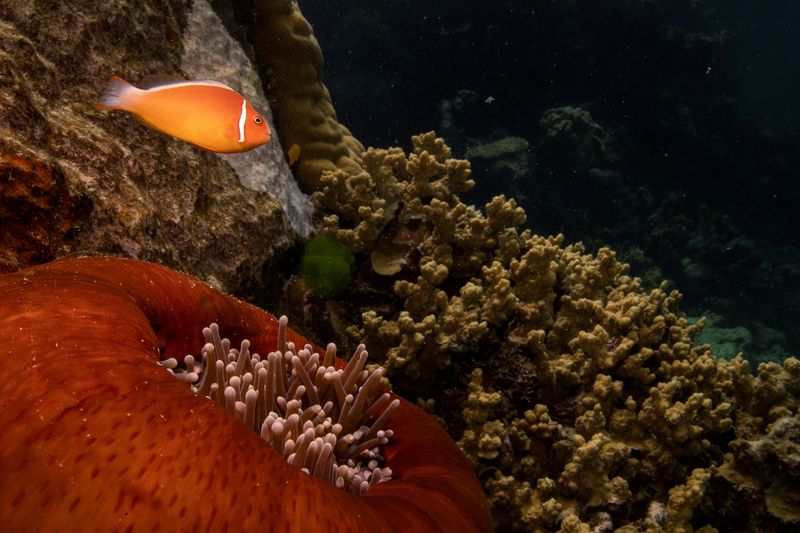
But let’s be real. This decision doesn’t mean the reef is suddenly thriving, teeming with neon life as it once was. Far from it. This sprawling, irreplaceable ecosystem—an underwater city housing countless species—has endured multiple mass bleaching events. Some estimates suggest over half its shallow-water coral cover has been lost in the past few decades. A 2023 report from the Great Barrier Reef Marine Park Authority (GBRMPA), for instance, starkly notes that the reef contributed A$6.4 billion to the Australian economy in 2020-21, a figure heavily reliant on its perceived health and, frankly, its ongoing existence. But economic value doesn’t protect corals from acidic oceans.
Australian Environment Minister Tanya Plibersek didn’t waste a second celebrating. “We’ve worked incredibly hard, presenting a clear picture of our management efforts,” she told reporters, her tone betraying a hint of hard-won victory. “This decision, it validates our commitment. But we know the job isn’t done—not by a long shot.” You’ve gotta love the tightrope walk, the simultaneous chest-thump and caveat. It’s politics 101, really.
However, the environmental watchdogs—those often-annoying voices of reason—weren’t buying the narrative of salvation. They call it a stay of execution, a deferral made possible by political muscle more than genuine ecological recovery. Because even with Australia’s commitments, the overarching threat of global warming, driven largely by fossil fuels, looms larger than any national conservation strategy alone could hope to counteract.
📄 POLICY WIRE WHITEPAPER PUBLISHED: PAKISTAN'S NATIONAL SECURITY POLICY PRIORITIES
👉 READ BY CLICKING HEREAnd that’s where the international picture gets interesting. A UNESCO committee member, speaking anonymously because they weren’t authorized to discuss internal deliberations, offered a telling perspective. “The committee considered the comprehensive evidence presented by Australia. It’s a reprieve, yes, but not a declaration of full health. Global action on climate change remains paramount, a shared responsibility no single nation can shirk.” Translation: We get it, Australia—you played the game well. But don’t pretend this fixes anything fundamental.
While Australia exhales over its marine wonder, countries across South Asia—nations like Pakistan and Bangladesh, grappling with their own harrowing climate-induced disasters from melting Himalayan glaciers to rising coastal sea levels—observe such diplomatic maneuverings with a mix of weary understanding and perhaps a flicker of envy. They don’t always have the same kind of geopolitical leverage to skirt the sharper edges of global accountability, not when their own environmental calamities hit home with such brute force. The climate crisis, after all, isn’t just about coral; it’s about lives and livelihoods, disproportionately affecting those with fewer resources and less influence on the global stage. It makes you wonder, doesn’t it, about the value placed on natural heritage versus national interest?
What This Means
This draft decision, should it be ratified (and frankly, it almost certainly will be), marks a significant diplomatic triumph for the Albanese government. It spares them considerable international scrutiny and avoids a tourism black eye—imagine the headlines, ‘World Heritage Site in Danger,’ not exactly brochure material. Economically, the immediate future for the reef’s tourism sector—a massive job creator—seems less precarious. The perceived ‘safety’ allows for continued investment and visitor numbers, though responsible tourism remains a contentious term when faced with such fragility. But crucially, it also potentially sets a tricky precedent for UNESCO. Critics worry that by allowing a powerful nation to stave off a ‘danger’ listing despite well-documented degradation, the organization risks eroding its credibility and the very integrity of its World Heritage program. It suggests that a convincing presentation — and intense lobbying can, sometimes, outweigh dire ecological realities. So while Canberra will pop a bottle (or at least offer a polite nod), the deeper problem—the reef’s continued struggle against an unforgiving climate—isn’t going anywhere. It’s just been neatly filed away, for now, under ‘work in progress,’ courtesy of some impressive diplomatic wrangling. You can read more about the political challenges and ongoing ecological threats to Australia’s marine ecosystems in our analysis on Diplomatic Triumphs & Troubled Waters: Australia’s Reef Retained, But Peril Lingers. The underlying climate fight continues globally; a discussion often playing out on international stages far beyond environmental committees.