


Jerusalem’s Long Docket: Unprecedented Legal Tsunami Looms for October 7 Suspects
POLICY WIRE — Jerusalem, Israel — It’s a courtroom saga no nation truly prepares for. Not just the horror of the crimes—which speaks for itself—but the sheer, grinding weight of processing thousands...

POLICY WIRE — Jerusalem, Israel — It’s a courtroom saga no nation truly prepares for. Not just the horror of the crimes—which speaks for itself—but the sheer, grinding weight of processing thousands of accused, building cases, sifting through mountains of digital and physical evidence, all while a grieving public demands a swift, definitive brand of justice. This isn’t just about sending folks to jail; it’s about holding up a mirror to an unprecedented catastrophe and attempting to reconcile it with due process. It’s an immense, draining operation that’s got Israel’s judicial system tied up in knots, quietly preparing for the fight of its life.
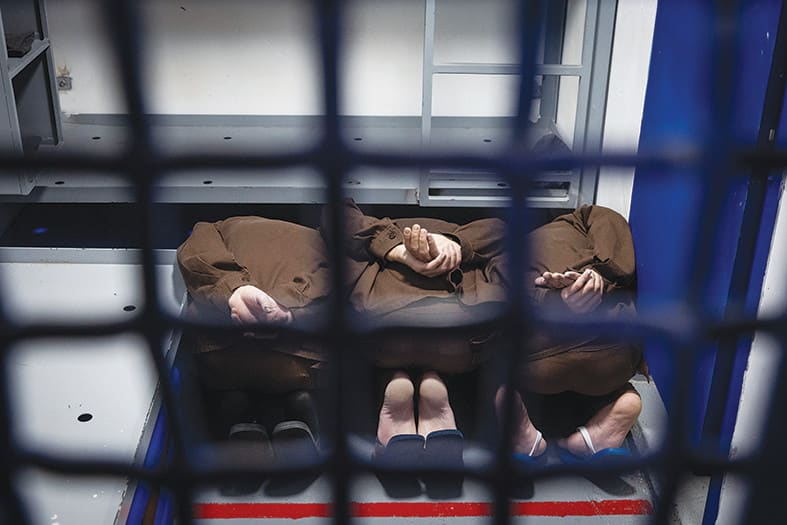
Nobody’s seen anything quite like this. October 7 didn’t just smash through a security perimeter; it crashed a wave of human brutality right onto a national psyche, leaving behind not only devastation but also an estimated 2,000 alleged perpetrators now sitting in various detention facilities. That’s a staggering figure, enough to choke even the most robust legal framework. Officials are moving slowly, painstakingly, through preliminary indictments. But the main event? The comprehensive, systemic prosecution for murder, kidnapping, — and what amounts to mass terror? That’s still ahead, a legal iceberg waiting to hit.
Consider the scale: it’s not a handful of isolated incidents, is it? It’s coordinated, multi-site barbarism that unfolded across an entire region. And because of that, documenting the events—identifying each accused with their specific, alleged horrors—it’s proving a monumental, meticulous task for investigators. They’re sifting through confiscated phones, witness testimonies, drone footage—the grim artifacts of a horrific day—to construct cases that can actually stand up to judicial scrutiny. But then, there’s the defense, and the unavoidable complexity that comes with a system built on presumption of innocence, even for those accused of the most heinous acts.
“We aren’t simply chasing convictions; we’re writing history here, making an unequivocal statement that these acts will meet the fullest wrath of our law,” declared Justice Minister Yariv Levin, his tone firm during a recent briefing that left little room for misinterpretation. “It’s grueling work, you bet. It demands everything we’ve got. But for every victim, for our very future, we will see it through.” That’s the mantra. But the reality? It’s far messier than soundbites.
Meanwhile, the repercussions ripple outward. How Israel conducts these trials, the transparency, the perceived fairness—it’s going to resonate well beyond its borders, deep into the wider Muslim world. From Islamabad to Jakarta, leaders — and publics are watching. Some will see legitimate justice unfolding; others, an extension of conflict through judicial means. For nations like Pakistan, caught between domestic pressures and a deep-seated solidarity with Palestinians, these trials are more than legal procedures; they’re flashpoints, fueling narratives that impact everything from public opinion to diplomatic stances. It’s never just a local story, is it?
“These aren’t merely domestic court proceedings,” observes Dr. Amir Khan, a professor of international law at London’s King’s College. “They’re an unprecedented exercise in confronting terrorism under extreme public scrutiny. The integrity of the process itself, from evidence collection to sentencing, becomes as scrutinized as the accused. It doesn’t just prosecute the attackers; it effectively puts the Israeli legal system on a global stage, judged by human rights organizations and geopolitical rivals alike.” It’s a tightrope, you see. A perilous, high-wire act.
According to figures released by the Israel Prison Service, over 2,500 individuals believed to be connected to the October 7 attacks have been detained since the incident, posing an unparalleled logistical strain on the nation’s holding facilities and legal personnel. It’s a number that underlines the sheer volume of cases that need processing. And it’s not going to get easier, not anytime soon.
What This Means
This unprecedented legal reckoning holds profound political — and economic implications. Politically, the trials will serve as a stark, prolonged reminder of the raw wounds of October 7, likely hardening domestic resolve and further complicating any prospects for a de-escalation of the broader Israeli-Palestinian conflict. For the Netanyahu government, successfully prosecuting these cases is paramount to restoring a damaged sense of national security and holding a perceived moral high ground internationally. However, any missteps, any perceived lack of due process, and Israel risks alienating allies and providing ammunition to detractors. And nationally, it’s going to be a heavy thing, this public retelling of horrors.
Economically, the sustained legal battle represents a significant drain on national resources. Establishing specialized courts, providing legal aid, ensuring security, and processing evidence on such a scale will require immense allocations from a national budget already under strain from ongoing military operations and societal rebuilding. Unlike the silent collapse seen elsewhere, here the costs are front and center, calculated in dollars and judicial man-hours. It could also deter certain forms of foreign investment, with potential investors watching for prolonged instability. Because frankly, prolonged instability doesn’t scream ‘good for business,’ does it? It just doesn’t. It echoes the raw, unrelenting spectacle of human drama, played out on a global stage.