


Deadly Pyrotechnics: Albuquerque Explosion & Policy Review
A professional pyrotechnic's home explosion in Albuquerque killed him and traumatized a community. This tragedy sparks urgent questions about fireworks safety and residential regulations.

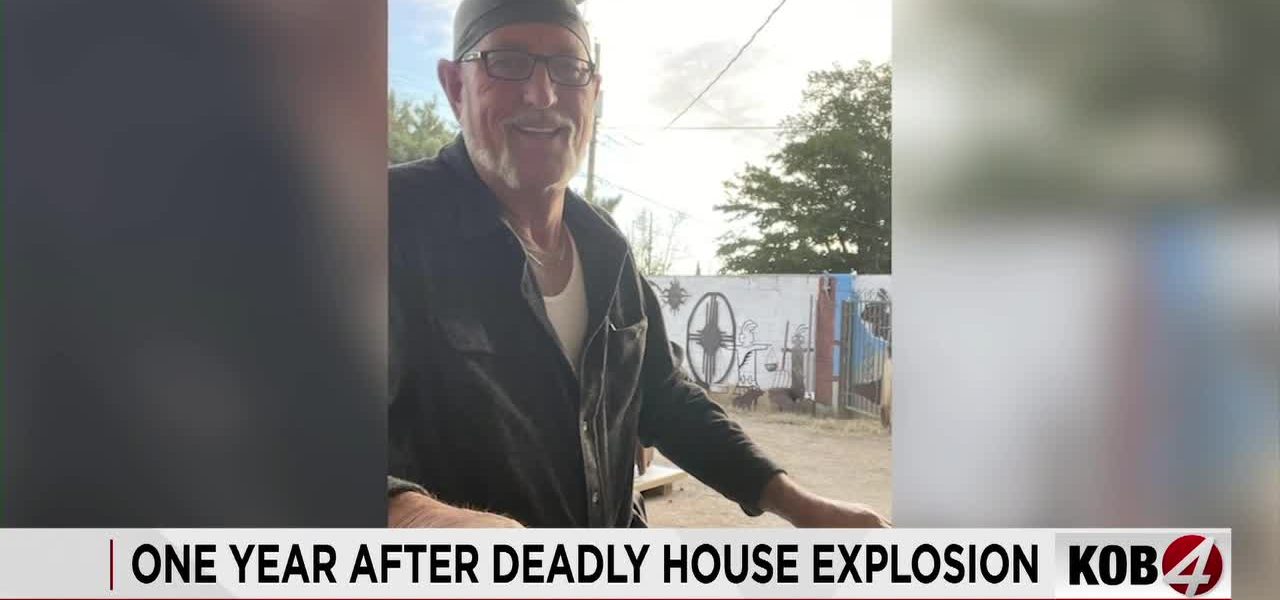
POLICY WIRE — Albuquerque, New Mexico — A vacant patch of earth, stark and uncompromising, now defines a section of Albuquerque’s northeast — a raw wound in the urban sprawl, where just a year prior stood the home of Gregory Clark. But this isn’t just about property values or unsightly gaps in a streetscape; it’s about a year’s worth of echoes. It’s about a man gone, a community shaken, and the brutal reality that even expert hands can’t always tame fire’s capricious nature.
It was July 2, 2025, when a thunderous concussive force ripped through Woodland Avenue. The cause: a fireworks stash, handled by a professional pyrotechnic with more than two decades in the trade, going catastrophically wrong. Clark, a fixture in local festivities for years, ultimately succumbed to his injuries. One can’t help but wonder about the delicate balance between livelihood and inherent danger, especially when that danger resides next door. His home’s footprint remains, a stark dirt lot— a physical void that only underscores the far greater, emotional vacuum left behind.
The damage, however, wasn’t confined to the immediate blast zone. Nearby homes still carry scars. One property, right beside Clark’s, sits uninhabitable, a silent, daily reminder of the brief, terrible moment. It isn’t just about structural integrity, though; it’s the quiet psychological fallout, the kind that permeates even a child’s innocent delight at fireworks. A neighbor, speaking off camera to KOB 4, confided that his daughters are traumatized by fireworks now, their joy usurped by fear. That’s not an easy thing to reconcile in a society that so often embraces pyrotechnics as celebration itself.
Kathy Schaffer, a local resident, didn’t mince words when recalling the incident’s sheer ferocity. “No. That’s why I ran out from a nap, you know, immediately,” she said, remembering the sound that pierced the neighborhood’s quiet afternoon. And that sound, she observed, settled deep into the community’s collective memory: “It was so…traumatic to have it happen in our neighborhood.” This wasn’t some distant crisis playing out on a screen. It was real, it was here, — and it irrevocably altered their perception of normalcy.
Amidst the debris — and despair, however, emerged threads of human resilience and surprising courage. Stories have filtered through the community of young Isaiah, who lives close by, his quick-thinking instincts kicking in just moments after the explosion. “I found out he jumped the fence because he wanted to save Greg. He wanted to grab him and pull him out,” Schaffer recounted, highlighting the innate human impulse to aid in crisis. It’s a stark contrast between destructive forces — and the reconstructive spirit.
Isaiah himself struggles with the hero label. That day’s events are still a blur for him. But he remembers the visceral attempt: “And I tried to grab him. I’m like, ‘Come on! Come on!’ And I started yelling for him, ‘Let’s go! Let’s go!’” A gut-wrenching plea in the face of insurmountable odds. Because, in those frantic moments, all that mattered was getting a friend out of harm’s way. He’d known Clark as more than just a pyrotechnic—a man who’d sometimes hire neighborhood kids for odd jobs, whose generosity left an impression. [QUOTE_PLACEHOLDER] Isaiah fondly remembered. Such are the quiet connections that bind neighborhoods, connections often unseen until catastrophe strikes.
The incident reminds us that fireworks aren’t just spectacles; they’re high-energy chemical reactions with a notorious track record. The U.S. Consumer Product Safety Commission (CPSC) reported that in 2022, there were an estimated 11,500 fireworks-related injuries treated in U.S. hospital emergency departments, with at least 11 deaths. That’s a stark figure for something many perceive as benign fun. And if an experienced professional faces such risks, what of the untrained masses? In many Muslim-majority nations, particularly across South Asia and the Middle East, unofficial or artisanal pyrotechnic operations contribute significantly to festive celebrations like Eid or national holidays. Regulatory oversight, if it exists, is often loosely enforced, creating an informal economy of explosives. When incidents occur in densely populated areas, as they frequently do, the collective understanding of acceptable risk versus traditional cultural practices comes into sharp relief. What constitutes regulated entertainment versus unregulated danger? That’s a line policymakers — globally — are constantly redrawing, often in the shadow of tragic anniversaries like this one. This isn’t an American anomaly; it’s a worldwide quandary.
What This Means
The tragedy on Woodland Avenue serves as a blunt instrument of policy review, far beyond the initial local incident report. It directly challenges the public’s understanding of ‘professional’ safety and sparks questions about the regulatory frameworks governing not just the use, but the storage and proximity of commercial-grade pyrotechnics to residential zones. What local ordinances, if any, permit such quantities of explosives in a suburban setting, even by a licensed expert? Policymakers, always wary of the specter of over-regulation, often find their hand forced by incidents that slip through existing nets. Because, as this situation proves, a private residence housing a specialized trade involving volatile materials creates a dangerous grey area—a legal tempest of liability, insurance nightmares, and human cost. For families across Albuquerque and beyond, where fireworks remain a staple of summer celebrations, the ghost of Greg Clark’s fate will linger, forcing uncomfortable conversations about where exactly civic responsibility for public safety truly begins and ends when entertainment carries such high stakes. This isn’t just about a mournful community; it’s about a clear-eyed look at policy, the implicit risks we accept, and the stark choices governments must make to protect citizens from even seemingly benign dangers.