


Jerusalem’s Vets Crisis: Budget Cuts & ‘National Disaster’
Disabled veterans in Jerusalem face a "national disaster" due to severe budget cuts. POLICY WIRE reveals the moral crisis and global trend of states neglecting their heroes.

POLICY WIRE — Jerusalem, Israel — Some wounds don’t mend, not with time, and certainly not with bureaucratic indifference. They fester. And sometimes, they explode onto the public stage as a stark, inconvenient truth the powers-that-be would prefer to keep hushed. It isn’t the distant rumble of shelling, nor the familiar clang of diplomatic saber-rattling that’s capturing the ear of policy wonks right now. Nope. It’s something much closer, much more human: the agonizing outcry of those who’ve already paid a price most of us can barely comprehend.
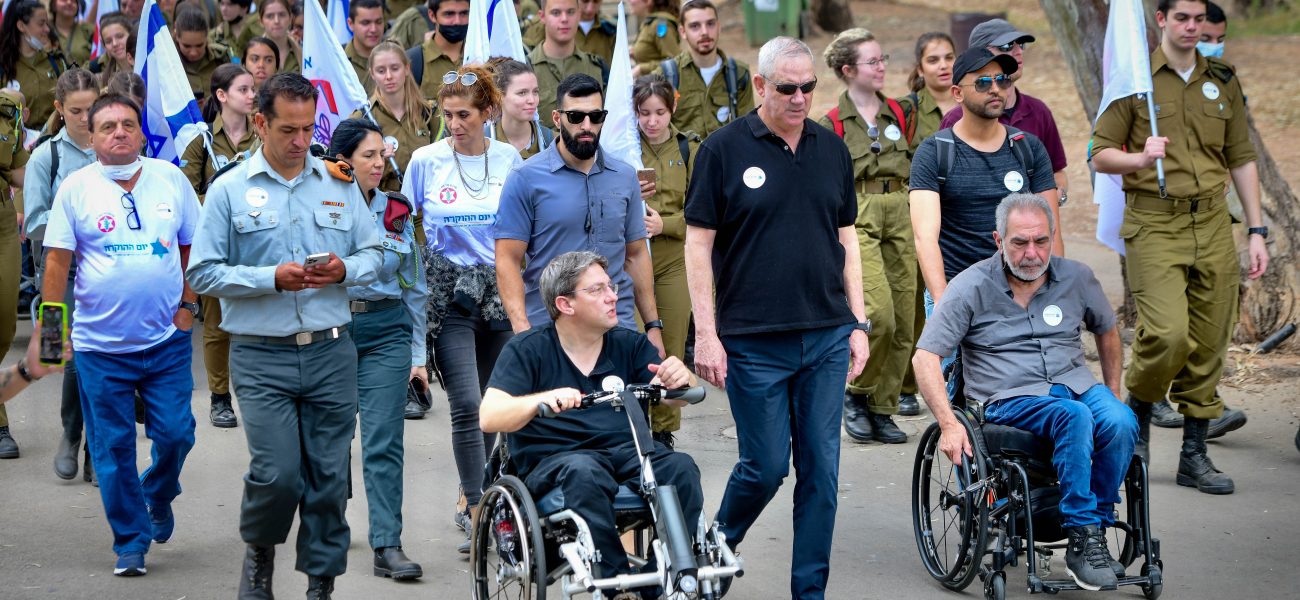
Because, see, the IDF Disabled Veterans Org. recently sounded an alarm—a genuinely stark one. They’ve warned the country, flat out, of a [QUOTE_PLACEHOLDER] That’s their term, not mine, flung at an Israeli defense establishment currently drafting a budget that, by their read, manages to stiff-arm the very people who bore the brunt of their strategic machinations. It’s a gut-punch for a nation that ostensibly champions its servicemembers. They’re effectively being left out in the cold, their immense sacrifices, it seems, just footnotes in a financial spreadsheet. It’s cynical, honestly, when you really look at it.
Now, we’re not talking about minor squabbles over pension hikes here. The word [QUOTE_PLACEHOLDER] doesn’t get tossed around lightly. It suggests a systematic, profound failing that impacts the fabric of society, creating long-term, debilitating consequences for a significant portion of the populace—the very ones who protected it. And it’s not like the costs of prolonged conflict are cheap; they stretch far beyond the initial kinetic engagements. Rehabilitation, mental health support, and re-entry into civilian life for those carrying visible and invisible scars—it all adds up, for decades. To ignore these requirements, to purposefully exclude them from a national budget meant to shore up defense, it just feels like a betrayal.
It’s an age-old story, isn’t it? The warriors fight, the politicians promise, and then, when the fighting’s done, the promises get lost in the parliamentary shuffle. This isn’t just an Israeli phenomenon, you know. Think about Pakistan, for example. Its own veterans, many from prolonged border skirmishes or counter-insurgency operations, face similar battles back home. They’re often grappling with insufficient healthcare, meagre benefits, and a society struggling to reintegrate them effectively, all while defense spending remains a voracious beast. Across the South Asian and Muslim worlds, the sacrifices of military personnel—and the subsequent struggle to provide for them—often become a forgotten burden on families and communities, not a prioritized line item in the national accounts. It’s a grim parallel, really.
One official source noted recently, per data from the Stockholm International Peace Research Institute (SIPRI), that global military expenditure hit an all-time high of $2.24 trillion in 2022. That’s a staggering sum, an Everest of expenditure. And yet, amidst such colossal allocations, nations consistently stumble over the relatively smaller—but morally inescapable—costs of caring for their injured and disabled veterans. You’d think, wouldn’t you, that an organization built on service would understand service means lifetime commitments. But sometimes, money talks loudest. Even louder than the silent screams of those whose lives have been irrevocably altered.
But how, precisely, did this exclusion happen? Well, budgets are always zero-sum games. There are choices being made, usually behind closed doors, to prioritize tanks over therapists, F-16s over family support programs. The immediate threat, or the perceived strategic necessity, often trumps the slow-burn, quieter needs of recovery and long-term care. It’s an easy calculus for bureaucrats, but it’s devastating for the humans involved.
And yes, this budget dust-up isn’t just about Israeli veterans. It reflects a much larger, global trend of defense establishments prioritizing hardware over humanity. We’ve seen similar patterns in conflicts stretching from Afghanistan to Iraq, where the cost of war doesn’t end with a ceasefire. Lingering conflicts leave deep scars, societal and individual, that states are often ill-equipped—or unwilling—to properly address. The ‘national disaster’ warned of here isn’t just a threat to those directly impacted; it’s a stark reminder of the state’s responsibilities, and its capacity to neglect them.
What This Means
This warning isn’t just about a budget shortfall; it’s a direct assault on the perceived moral contract between state and soldier. Politically, it signals significant internal strife within Israel’s security apparatus, a sector usually presenting a united front. Ignoring the pleas of disabled veterans undermines public trust in leadership—and, crucially, in the military itself—particularly among future recruits who will surely notice how the injured are treated. Economically, neglecting this group means higher long-term social welfare costs, a drain on public services, and a loss of productive potential from individuals who, with proper support, could contribute meaningfully to the economy. This isn’t simply an oversight; it’s a policy decision that actively degrades national resilience, chipping away at the very social cohesion a strong defense is supposed to protect. It’s a short-sighted strategy that could yield profoundly corrosive long-term results. It certainly doesn’t speak to a country that values its people first — and foremost.