
Albuquerque’s Deadly Police Shootings: Systemic Failures
Albuquerque faces a tragic surge in officer-involved shootings, spotlighting systemic failures in mental health intervention and policing tactics. Get the details.

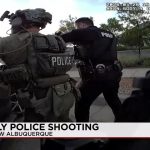
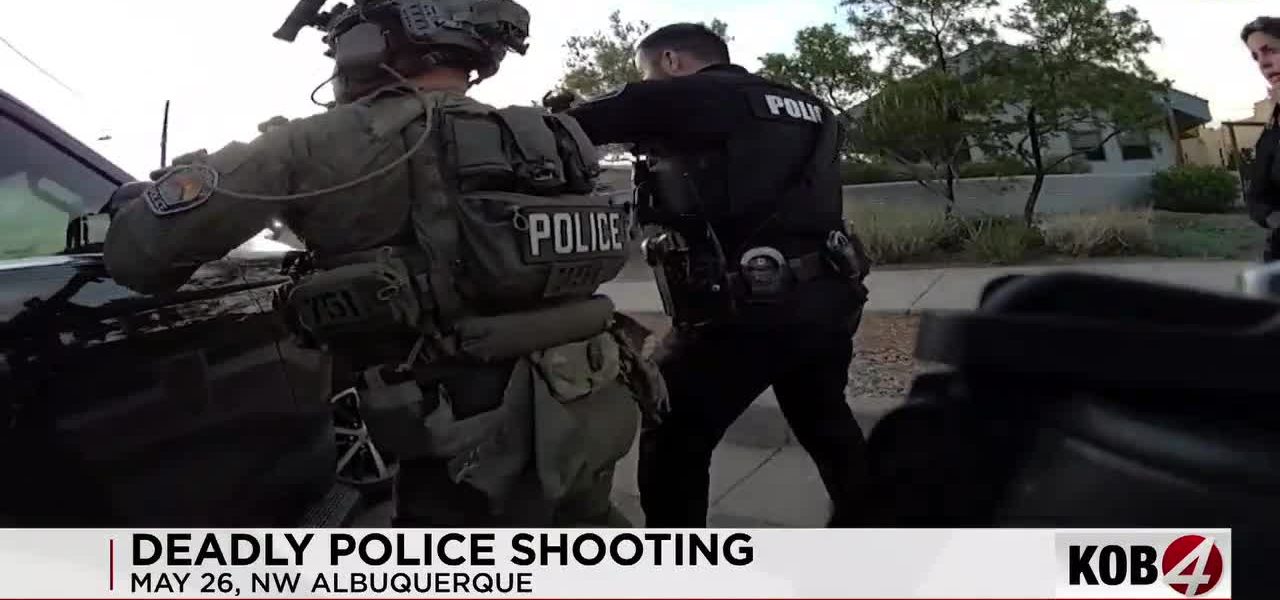
POLICY WIRE — ALBUQUERQUE, N.M. — Another sunset, another stark reminder. It’s a familiar, grinding rhythm in American cities: sirens, flashing lights, then a terse police report detailing a life extinguished, often at the barrel of an officer’s gun. Albuquerque isn’t just humming to this tune; it’s practically orchestrating the score. New details released by the Albuquerque Police Department (APD) reveal the raw, tragic minutes that led to two more fatalities in a frightening spree – four officer-involved shootings in just ten days back in late May. It’s not just a statistic; it’s the everyday fallout of strained systems — and frayed nerves.
The first episode: a friend, scared witless, made a 911 call. Jose Armas, just 23, was talking about hurting himself. “I wanted to see if a friend of mine could get a welfare check, they’re, were, talking about hurting themselves,” the 911 caller told dispatchers, their voice surely thick with a terrifying mix of hope and dread. Police showed up, found Armas’s brother already trying to help. Then, a gun. Officers shuffled family away. They tried to de-escalate, forty-five long minutes, a lifetime when desperation’s in the room. But Armas retreated inside, firing from an upstairs window. He then stepped out, fired into the sky—a desperate salute?—and two officers shot back, hitting him in the chest and arm. He died right there. A mental health crisis spiraled, like it so often does, into an armed standoff — and a lethal outcome. What if intervention had happened earlier?
Because that’s the hell of it, isn’t it? These stories are becoming disturbingly predictable. Just three days later, another scene: 35-year-old Robert Salas. Officers were on a no-trespassing call near Central Avenue. Salas, among others, darted away from police, toward an empty Walgreens. An officer drew his Taser, tried to give commands, but Salas—he just ran at another officer, knife in hand. Both officers opened fire. Three shots, one to the head, one in each leg. He didn’t make it. The script’s agonizingly familiar: confrontation, perceived threat, fatal force. The question always hangs heavy in the air: Was there another way? Could this have unfolded differently?
But city officials often find themselves between a rock — and a hard place. “Our officers face split-second decisions every day, protecting the public and themselves,” Police Chief Harold Vance told Policy Wire in an email. “We’re constantly reviewing our protocols, pushing for better training, particularly around mental health intervention. It’s a national challenge, and Albuquerque isn’t exempt from its harsh realities.” A standard line, yes, but it’s rooted in something real: the danger officers face. And yet, the community asks for more.
And that’s where the human element hits hard. Dr. Ayesha Khan, director of the New Mexico Alliance for Human Rights, isn’t buying the constant narrative of inevitability. “We’re seeing a cycle of tragic, preventable deaths,” Khan stated pointedly. “The question isn’t just about what happened in those final seconds, but what happened in the days, weeks, months leading up to it. What kind of social safety net failed Jose Armas? Why do so many mental health calls end in gunfire instead of care? It’s a systemic breakdown, folks. The solutions need to go far beyond tactical drills.” Khan’s frustration—it’s palpable, and understandable. The trust between law enforcement and marginalized communities, not just here but across the globe, particularly in nations grappling with socio-economic disparities like parts of South Asia or the broader Muslim world, relies on effective, humane responses to crises, not just force.
Consider the raw numbers: Police in the U.S. shot and killed at least 1,176 people in 2022, marking a decade high, with a disproportionate number of these incidents involving individuals experiencing mental health crises, according to data compiled by the Washington Post. That’s a grim reality, a statistical footprint of lives cut short. This isn’t just an Albuquerque problem; it’s an American predicament, echoing in communities facing shadows of scarcity and profound need across the state.
What This Means
The political implications of these incidents run deep, digging into the very foundation of community trust and public safety in Albuquerque. Mayor Tim Keller’s administration faces renewed pressure to not only address policing tactics but also to shore up the city’s severely underfunded mental health services. Economically, repeated incidents of fatal force strain municipal budgets with potential lawsuits, certainly, but also divert critical resources from prevention into investigation and consequence management. It isn’t cheap, handling these crises on the back end. the optics impact the city’s ability to attract and retain both residents and businesses, fostering an environment perceived as unsafe or unstable. For policy wonks, it forces a hard look at the interaction between emergency dispatch protocols, officer training in de-escalation, and the availability of specialized mental health response teams. It’s a multi-faceted dilemma, demanding solutions that span law enforcement, healthcare, and social welfare agencies—solutions that feel stubbornly out of reach, given the grim repetition of these tragedies.