

Albuquerque Restaurant Folds: Inflation’s Cruel Twist
Albuquerque's My Mom's Kitchen closes. Chef Marie Yniguez's battle against inflation and commitment to customer loyalty reveals Main Street's struggle.

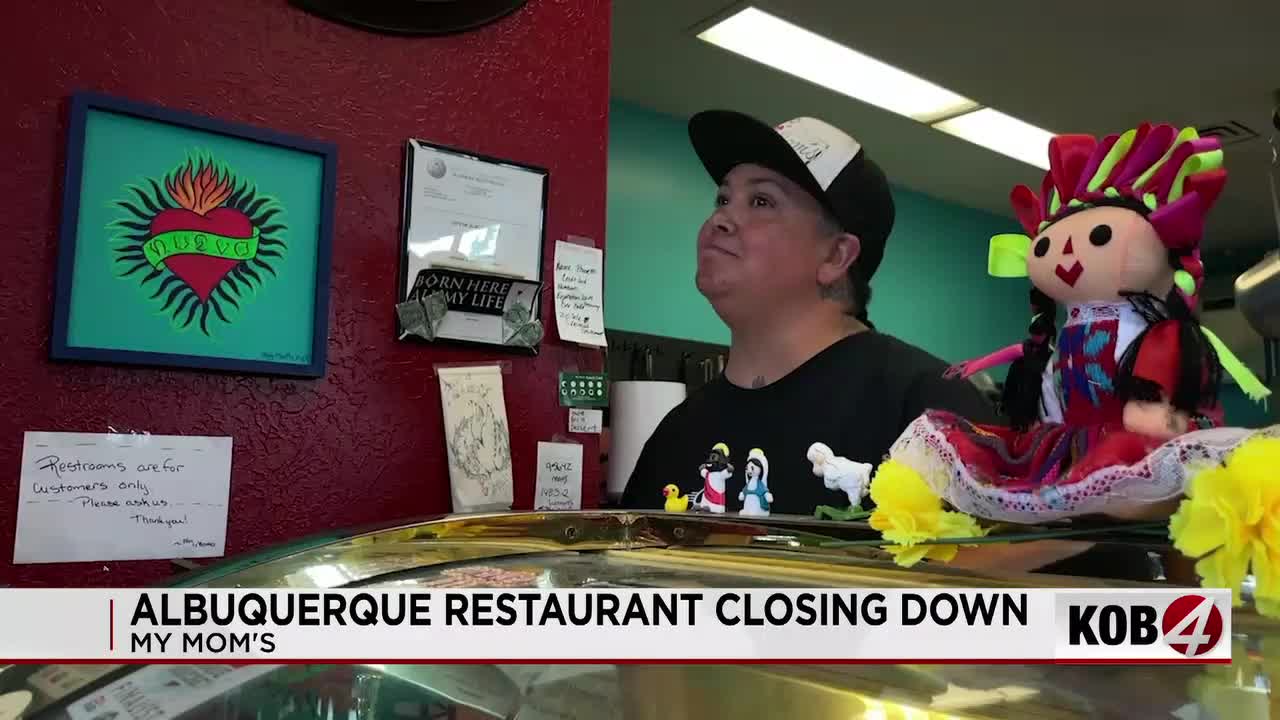
POLICY WIRE — Albuquerque, N.M. — It’s a cruel twist, really. A chef whose whole brand centered on refusing to pass higher costs to her loyal customers now finds herself closing the doors because… she couldn’t pass higher costs to her loyal customers. It’s an economic Mobius strip, an ouroboros of pricing pressures that swallowed My Mom’s Kitchen whole after a five-year run, shuttering July 31.
Chef Marie Yniguez wasn’t just flipping burgers or frying up specials; she was battling a hydra of inflation. Every time she cut off one head—say, the skyrocketing price of ground beef—another, nastier one would sprout in its place. Takeout container costs? Up. Permits? Up, naturally. And it wasn’t just her; this is the grim rhythm playing out across kitchens both grand and modest, from America’s diners to Karachi’s bustling street food stalls. When the essential ingredients become luxuries, the margin, that slender strip of financial lifeblood, just vanishes. Many small business owners in emerging economies—like those tenacious entrepreneurs navigating volatile markets in Pakistan or Indonesia—grapple daily with the very same supply chain chokes and currency fluctuations that make a seemingly stable operation here suddenly untenable. They know this tightrope walk all too well. [QUOTE_PLACEHOLDER]
She fought. God, she fought. I’m running — and I can’t run anymore,
Yniguez told local media. A stark declaration, a lament. She added, with a weariness you could practically hear, It’s time — and I can’t catch up with the bills. I’m paddling and paddling, but I ain’t getting nowhere.
Picture that image, the futile, desperate churning against an unseen current. That’s what it’s like when the entire economic infrastructure seems to work against you. Consumers might think small eateries are raking it in, but usually, it’s the thinnest of ice beneath their feet.
You’d think a chef closing down would mean customer churn, empty tables. Not here. They kept coming. But Yniguez — admirable, perhaps to a fault — had drawn a line in the sand. The prices got so jacked that they didn’t stop,
she explained, her voice likely laced with frustrated disbelief. You can’t keep raising your prices. I’m just running in that wheel and you get to the point where you can’t run no more.
It’s an unspoken covenant between a good restaurateur and her regulars, isn’t it? An implicit agreement that she wouldn’t fleece them just because her purveyors were feeling greedy. But loyalty doesn’t pay the rent or the beef bill.
Her rationale wasn’t purely financial for keeping the doors open as long as possible, either. There was a human element, raw — and honest. I’m doing it because I want to keep my staff because I love them, I love their families. I’m trying to keep them in a good environment because I know what it’s to work in kitchens,
she confessed. For Yniguez, the kitchen wasn’t just a workplace; it was a sanctuary, a family. My girls work hard, they work so hard. I’ve been keeping it open because I want them to have a good place to go.
And now, this sanctuary dissolves, leaving staff to search for new havens in a notoriously tough industry.
Beyond the staff, My Mom’s Kitchen built its own extended family, a communal hearth where folks gathered. But that warmth couldn’t melt the ice of rising operational costs. I built it for my mom,
Yniguez said, tapping into a primal, almost universal sentiment that resonates deeply across cultures, especially within tight-knit communities, from New Mexico to Lahore. The food, the nourishment, the connection – it’s often intrinsically tied to maternal figures. She had envisioned it as a tribute, I wanted to show her off to the world. No matter what, we always had a good meal. This place is for all the moms out there.
It seems even the spirit of motherhood and good home cooking can’t beat relentless economics.
It’s not entirely curtains for Yniguez, though. She plans to keep serving her community, albeit from a different sort of battlefield: her food truck, SRB, downtown. A retreat, not a surrender. Just another tactical shift in the eternal struggle of small businesses against the leviathan of market forces. After all, the latest data from the Bureau of Labor Statistics reveals that consumer prices for food, year-over-year, have jumped by over 10% recently, putting immense strain on both businesses and the wallets of their customers. You just can’t outrun those numbers forever.
What This Means
This isn’t just another quaint neighborhood eatery closing its doors; it’s a stark, human-scale indicator of broader economic disarray. Chef Yniguez’s struggle highlights the painful pinch felt by Main Street businesses, caught between inflationary pressures on one side and a populace already strained by those same rising costs on the other. It’s an economic impasse. Governments talk about supporting small businesses, but real-world policy — or the lack thereof — often allows these vital community pillars to crumble. Here in America, policymakers often overlook the intricate web of supply chains that impacts every plate of food, every takeout container, and every permit fee. But because our attention spans are so often pulled toward grand macroeconomic figures, we miss the slow, agonizing decline of the small businesses that give a place its character. The closure underscores the fragility of an economic model that disproportionately burdens the self-employed and those committed to community values over raw profit margins. Businesses in developing nations like Pakistan’s thriving street food sector understand this precarity intuitively, constantly adapting to shifting sands of regulation, imports, and consumer affordability. What’s happening in Albuquerque isn’t isolated; it’s a symptom of global financial volatility that makes even the simplest act—sharing a good meal—an increasingly fraught proposition. Want a deeper dive into similar pressures? Take a look at Shadow of Scarcity: Half of New Mexico Lives Precariously on the Edge for another perspective on local economic hardship.