

New Mexico Desert Winds: Hidden Costs, Policy Crisis
Desert winds in New Mexico are deceptive. Uncover the significant economic costs and policy dilemmas driven by these unpredictable, damaging weather events.

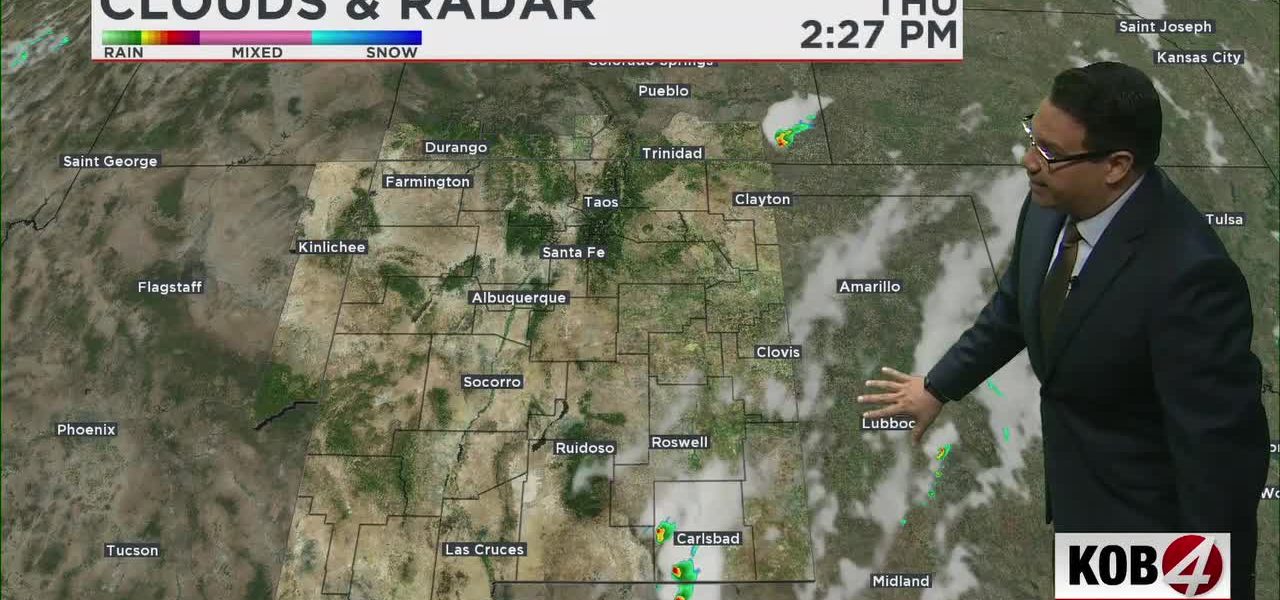
POLICY WIRE — ALBUQUERQUE, N.M. — It’s a trick the desert plays. One minute, an almost suffocating stillness hangs heavy, air shimmering over cracked earth. The next, a furious whisper erupts from the horizon, a harbinger of the unpredictable. This isn’t your grandma’s gentle afternoon breeze; what’s headed for eastern New Mexico this week could be a short, sharp shock – isolated thunderstorms packing potentially damaging gusts that’ll test the mettle of anything left untethered. A brutal, if brief, reminder of nature’s casual disdain for our best-laid plans. Most places won’t see a drop of rain. But that’s the rub, isn’t it?
Because sometimes, it’s not the water that rattles you; it’s the sheer force of air. Officials here are prepping for the kind of meteorological sleight of hand that can rip through power lines and kick up enough dust to blot out the sun. The storm front, what little there’s of it, is expected to sweep from Clayton south through places like Tucumcari and Fort Sumner before dying down shortly after sunset. And really, most folks in the state? They won’t notice a thing. It’s always a gamble in these parts.
“We’ve seen these quick-hitter systems before, where you get minimal precipitation but significant wind shear,” said Adrian Salazar, New Mexico’s Secretary of Public Safety, in a candid briefing to local mayors. “Folks get complacent because the skies look clear, then BAM! A sudden squall just tears through. Our message is simple: secure your loose items, charge your phones. Don’t be caught flat-footed.”
But the silent danger persists. Because these aren’t just minor inconveniences; they’re erosive forces, both literally — and figuratively. They chip away at infrastructure, fray nerves, — and stretch local emergency services already running lean. For communities in remote eastern New Mexico, every incident, no matter how small, becomes a significant resource drain. Think about it: a fallen power pole in a sparsely populated county means hours, maybe days, of power outage for dozens of families, a major undertaking for utility crews.
Dr. Lena Sharma, director of New Mexico’s State Office of Emergency Management, spoke with a weariness born of experience. “It’s never about the single event; it’s the accumulation,” she observed, tracing lines on a regional weather map. “These kinds of wind events, coupled with an increasingly arid climate—they don’t just happen in isolation. They compound. They degrade road shoulders, they strip soil, they make everything just a little bit harder. It’s not as dramatic as a flood, but its impact is felt over time, like India’s ongoing environmental challenges—a relentless grind.”
And while the immediate forecast suggests breezy conditions will linger longer in the northeast before diminishing overnight—we’re talking gusts hitting 25 to 35 mph even outside the storm zone—the larger story here isn’t just about tomorrow’s weather. Friday promises more heat, with only a whisper of a chance for a high-mountain shower around Lincoln County’s peaks. But those transient blasts of wind? They hint at a growing vulnerability.
The cost of coping with such unpredictability is immense. According to the National Oceanic and Atmospheric Administration (NOAA), severe storms in the U.S., including those characterized by damaging winds, tallied up to over $23 billion in economic losses in 2023. And it’s not always the big hurricanes or tornadoes making those headlines. Often, it’s the sum of a thousand smaller, localized events like these that drain municipal coffers and community resilience.
Communities worldwide, from the parched plains of New Mexico to the struggling agricultural belts of Pakistan, grapple with climate-induced instability. Their challenges aren’t always about a single, cataclysmic event, but rather the cumulative toll of erratic weather patterns – too much rain, too little, or, in this case, too much wind when and where you least expect it. It’s the sheer volatility that does the damage, a slow-motion assault on predictability and stability, on local economies that depend on the familiar rhythm of seasons.
What This Means
These seemingly minor weather events—a sudden gust here, a localized thunderstorm there—belie significant economic and political ripples for arid regions like eastern New Mexico. Economically, even fleeting damaging winds translate into costs: emergency response, power grid repair, minor structural damage to agricultural buildings, and soil erosion that further stresses an already parched landscape. Farmers, particularly those not engaged in large-scale operations, face tangible losses that hit their bottom line hard. Politically, the recurring need for resource allocation towards unpredictable weather response diverts funds from other local initiatives—education, healthcare, infrastructure upgrades (the proactive kind). It forces local councils — and state agencies into a perpetual reactive stance, unable to truly get ahead. It’s not just a weather report; it’s a policy conundrum, one that demands more sophisticated risk assessment and perhaps, ironically, greater federal recognition for the aggregate impact of seemingly ‘minor’ climate events. It shifts the burden to local taxpayers — and tests the social fabric. They’re not just bracing for wind; they’re bracing for an increasingly expensive future.