


Ukraine Adoption: American Family’s Grit Amid Policy Shifts
Explore the Rajunas family's 25-year journey adopting four children from post-Soviet Ukraine. Their story reveals the grit needed to navigate complex policies and how international adoption has...

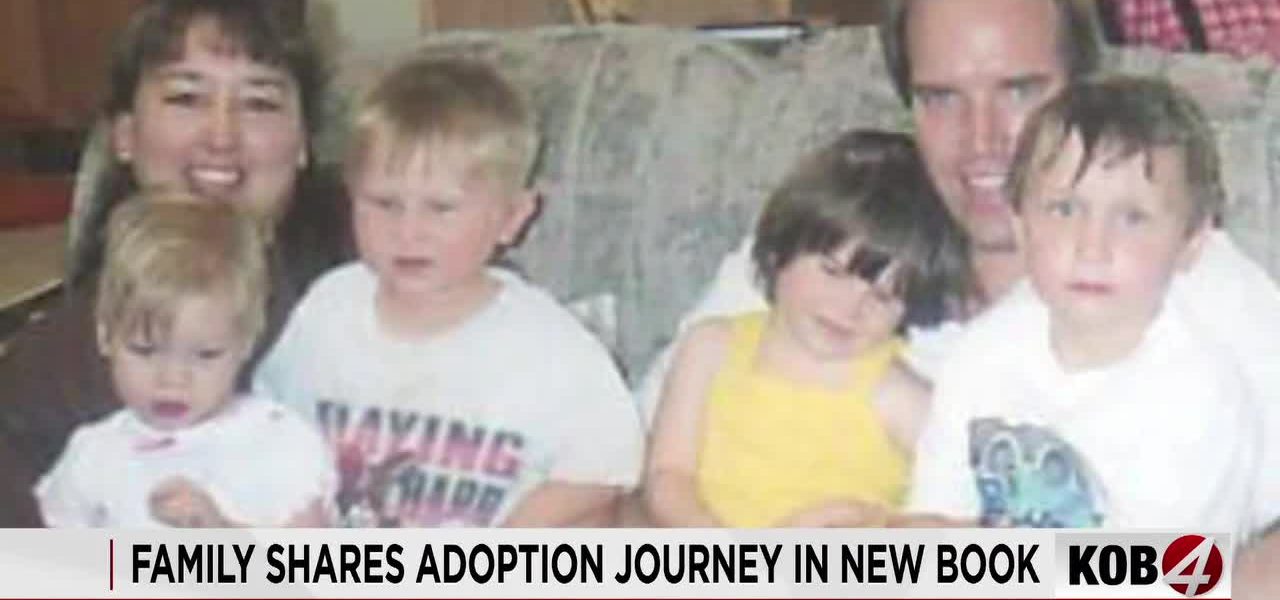
POLICY WIRE — Washington, D.C. — Not every Fourth of July marks triumphant fireworks and picnic baskets. For some, it signifies a different kind of independence—a hard-won severance from institutions, bureaucratic entanglements, and even language barriers. Twenty-five years ago, as Kyiv navigated the turbulent post-Soviet landscape, American couples faced a stark, often overwhelming human ledger in its orphanages. Lori and Joe Rajunas weren’t navigating the complexities of macroeconomics or Cold War fallout, but something far more intimate, yet equally enmeshed in geopolitical realities: the adoption of four children from Ukraine.
It was 2001 when this Rio Rancho family formally welcomed Dasha, Olya, Alex, and Eric into their lives, cementing a bond on the very day the United States celebrates its birth. Their saga, now chronicled in Lori Rajunas’ new book, His Plan Was Bigger, offers more than just a heartwarming narrative. It provides a granular look at the sheer bureaucratic fortitude required, an almost forgotten era of international adoption where passion often outran policy—a model Ukraine has since rescinded.
Many don’t appreciate the grind these endeavors entail. And no, this wasn’t some breezy, agency-handled process, tailored for convenience. Joe Rajunas detailed a process so hands-on it reads like a Cold War-era spy novel, less about espionage and more about emotional endurance. Joe Rajunas said, The process was you went to Kyiv, and you looked through these three ring binders with pictures of kids, and we had no idea how hard that was going to be. That’s a stark, unsentimental truth. Imagine making life-altering decisions based on passport-sized photos in thick binders. It’s an exercise in raw, unvarnished commitment, a testament to what individual citizens would endure when systems were less codified.
The inspiration, predictably, was homegrown; Lori and Joe Rajunas said they felt inspired to adopt after watching “Wednesday’s Child” local news segments in the late 90s that featured children who needed families. This casual viewing, however, cascaded into an extraordinary commitment that flew in the face of conventional wisdom. They embraced what the family described as an independent adoption—a direct, often less regulated path no longer available in Ukraine, where safeguards have since been tightened, for better or worse. Lori Rajunas said, It’s been a crazy ride. It was not easy to bring four kids home from Ukraine that didn’t speak the language, all four of them, to some degree, had a disability. But they pressed on.
The book doesn’t just detail the odyssey from Eastern Europe to New Mexico. It meticulously traces the messy, glorious mundanities of integration—from early forays into an American restaurant, a world away from Soviet-era culinary expectations, to the bewildering dynamics of daycare. Dasha Rajunas, one of the adopted children, reflected on her mother’s writing, saying, Seeing it compiled and actually reading it and hearing my mom’s voice throughout the whole book, it was like really cool to see. It’s a human story, told from multiple perspectives. Eric Rajunas chimed in, saying, I can go look back into the book and just be like, wow, this is what our family is all about. This isn’t abstract policy. It’s personal history, etched in experience.
Lori Rajunas doesn’t hide the intent; her hope is pragmatic. She states, No matter what, we’re still a family, and if we can inspire even one person to adopt, because it’s just amazing what we have now. This isn’t just about charity, it’s about building, it’s about transforming lives—one arduous step at a time. Olya Rajunas simply said, I had the best parents over 25 years, — and best siblings. Because, after all the policies — and procedures, it really just boils down to that, doesn’t it?
What This Means
This personal journey, far from being a simple family anecdote, quietly underscores significant shifts in international law and geopolitical realities. Ukraine’s pivot away from independent adoptions reflects a broader global trend towards tighter regulations and governmental oversight in child welfare—a response to past abuses, yes, but also a consolidation of national sovereignty. These are the kinds of administrative adjustments that often fly under the radar, but dramatically impact individual lives. Consider Pakistan, for instance, a nation grappling with its own complex social fabric and, at times, considerable numbers of children in need. While the specific legal frameworks for international adoption differ wildly across Muslim-majority countries—often favoring kinship care or kafala over direct adoption for theological reasons—the underlying tensions between national control, international demand, and humanitarian need are universal. In places like Afghanistan, post-conflict displacement frequently creates enormous cohorts of orphaned or separated children, presenting dilemmas that international policy has yet to resolve definitively.
Such moves, while ensuring greater protection against trafficking and exploitation—an issue that, according to a 2017 U.S. State Department report, has impacted over 71 million individuals globally—can also erect higher barriers for genuine families. We’re talking about a human cost, here. On the one hand, a robust system protects the vulnerable; on the other, it can inadvertently strand them within a labyrinth of regulations. It reflects the constant friction between state control and individual humanitarianism, a global economy of human capital that transcends mere markets. The Rajunas’ story is a nostalgic echo of a time when the rules were sketchier, certainly, but the entry points for compassion were perhaps more numerous. Now, every document, every waiting period, serves as a policy firewall. And you have to wonder, doesn’t it leave some children behind, caught in the institutional undertow? Because navigating those systems demands not just compassion, but a near-heroic level of perseverance, or frankly, good luck.