
Venezuela Earthquake: Crisis & Systemic Collapse
Venezuela faces a profound crisis after a devastating earthquake leaves 2,295 dead. Systemic weaknesses, economic collapse, and political woes amplify the humanitarian catastrophe.

POLICY WIRE — Caracas, Venezuela — For a nation that’s seen its share of catastrophes, both natural and man-made, this last week has felt particularly cruel. The earth itself decided to settle an old score, shaking Venezuela to its very foundations. And, as the dust tentatively clears, the grim arithmetic is undeniable: an initial tremor, then another, leaving an already crippled infrastructure splintered and a death toll now cruelly pinned at 2,295 souls lost, a statistic announced with a certain bureaucratic numbness seven days post-cataclysm.
You’d think the numbers would speak for themselves, but in Venezuela, nothing ever really does. The tremors hit, and for a populace accustomed to living on the edge of survival—where basic goods are a luxury and political rhetoric a constant drone—this fresh calamity feels like just another kick when you’re already down. But this isn’t just a localized problem; it’s a full-blown national crisis unfolding against a backdrop of chronic economic implosion, sanctions, and a profound global indifference that often dogs nations deemed “problematic.”
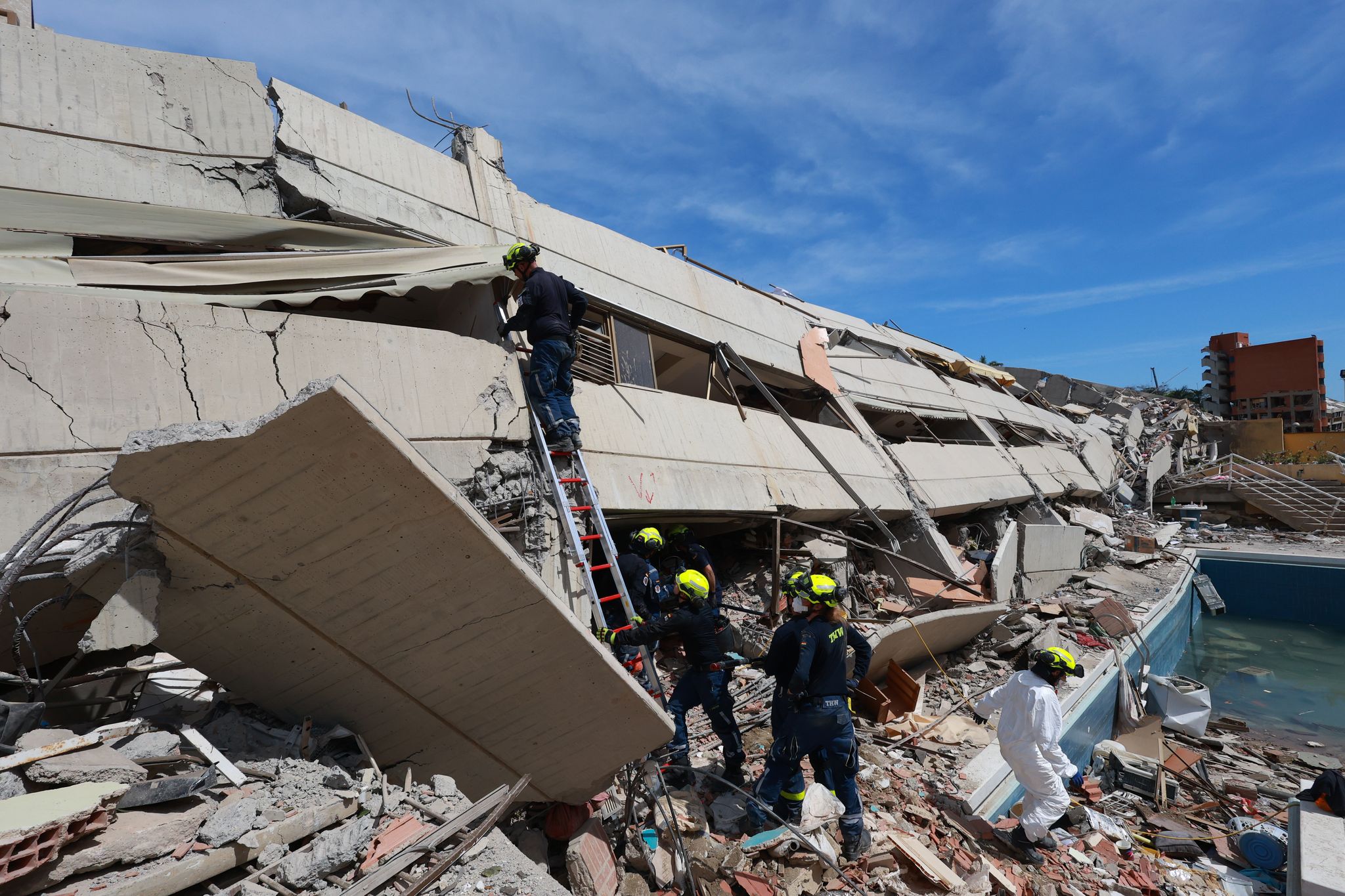
Rescue operations, often more frantic than effective, continue in the capital — and surrounding areas. Helicopters — what few operable ones they’ve, that’s — buzz overhead, not always with the urgent efficiency one might expect in a developed nation’s disaster response. They’re doing their best, certainly, but best in an environment where even aspirins are a scarcity isn’t quite good enough. “We’re facing unprecedented challenges, certainly,” declared Remigio Ceballos Ichaso, Venezuela’s Minister of Interior Relations, Justice and Peace, in a rather terse public address. “Our people are resilient, but we won’t allow this moment to be exploited by those who seek to destabilize our Bolivarian revolution.” The subtle finger-pointing wasn’t lost on anyone, of course.
International aid has begun to trickle in, often complicated by Caracas’s strained diplomatic ties. The U.N. Office for the Coordination of Humanitarian Affairs (OCHA) reports that as of Thursday, only about 30% of its initial emergency funding request for Venezuela has been met. “The needs are staggering,” stated OCHA’s Regional Director for Latin America and the Caribbean, Martin Griffiths, almost resignedly, during a virtual briefing from Geneva. “Logistical hurdles, political complexities, and frankly, a world with too many crises, mean resources aren’t reaching everyone as swiftly as we’d like. It’s a slow-motion tragedy playing out before our very eyes.”
But the disaster’s repercussions stretch far beyond the immediate rubble. Because Venezuela, unlike many nations, was teetering even before the ground gave way. Consider its economy: an astonishing figure from the International Monetary Fund projected a 10% contraction in its Gross Domestic Product just last year, extending a decade of collapse. Now, this—another gut punch to an infrastructure that can barely hold itself together on a good day. It means homes will take longer to rebuild, supply chains will seize up even further, and the humanitarian needs will fester, not fade.
And as one contemplates the sheer scale of the structural devastation in a place like Caracas, with its informal settlements precariously clinging to hillsides, one can’t help but draw parallels. Similar, horrifying scenes have unfolded after catastrophic quakes in other vulnerable regions, like Pakistan’s Kashmir in 2005, where communities, often forgotten by central authorities, paid the steepest price for inadequate construction and absent relief efforts. There, too, a staggering number of lives were lost, and recovery stretched over years, if not decades, leaving indelible scars on the land and its people. For more on how governments contend with monumental pressures, sometimes even seeing freedoms falter in their wake, see Shadows Deepen: Melcer’s Warning Echoes as Global Freedoms Falter. What we’re witnessing here is that brutal calculus of neglect meeting geological wrath, a common narrative across many struggling states.
This latest calamity ensures that the daily grind for Venezuelans will become exponentially harder. There won’t be a swift recovery, not here. You don’t just brush off thousands of deaths and widespread infrastructural damage when your public services were already on life support, starved of investment, riddled with corruption, and perpetually battling political instability. It’s a bitter truth, — and one that doesn’t neatly fit into official press releases.
What This Means
This seismic event throws an unwelcome spotlight on Venezuela’s profound systemic weaknesses, exacerbating an already dire humanitarian situation. Politically, it grants the Maduro regime a dubious platform to rally nationalist sentiment, potentially deflecting blame for systemic failures onto external forces or the natural world itself. It might also, paradoxically, create a momentary opening for increased international engagement under the guise of humanitarian assistance—a chance for certain countries to re-establish tentative diplomatic channels. But, and this is a big ‘but,’ any such engagement will inevitably be viewed through the lens of Caracas’s deep-seated anti-imperialist rhetoric. Economically, expect inflation to worsen as already strained supply chains face further disruption. Reconstruction efforts will likely be protracted — and underfunded, prolonging the suffering of millions. The long-term implication is a further entrenchment of poverty, potentially sparking renewed waves of migration. For citizens, this is not just a natural disaster; it’s a profound structural collapse made manifest.