


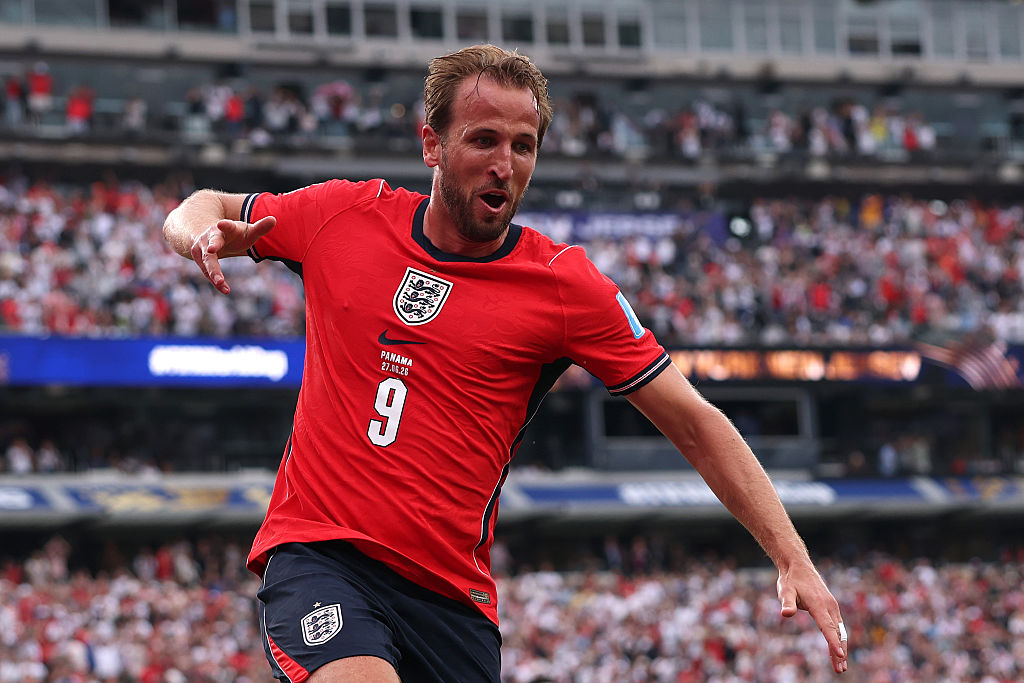
England vs. DR Congo: Expectation vs. Spirit
England faces DR Congo in a World Cup knockout. It's expectation vs. unfettered spirit. Dive into the policy dimensions of this David vs. Goliath clash in Atlanta.

POLICY WIRE — Atlanta, USA — The shimmering floodlights of Atlanta are set to cast a long, unforgiving shadow this Wednesday. Not just over the manicured pitch where England will face DR Congo in a World Cup knockout clash, but over the very notion of expectation versus raw, unburdened ambition. One squad, perpetually burdened by a nation’s unyielding hope, steps onto the field as a statistical titan. The other? They’ve already won, simply by being here.
England, a squad assembled with top-tier talent and priced to deliver, arrives in the round of 32 having navigated its group unbeaten, albeit not without a few murmurs of tactical reticence. Their journey, you see, isn’t measured in wins alone—it’s gauged against the ghosts of tournaments past, against the crushing weight of generations-long anticipation. They’re meant to win, — and win convincingly. Any deviation, even a close scrape, becomes fodder for weeks of punditry. That’s just how it’s with the big dogs.
But for DR Congo, this isn’t just another game. This is a chance, a grand global stage to defy easy narratives. They didn’t just scrape into this knockout stage; they elbowed their way in. A defiant draw against Portugal — a team brimming with a certain golden-haired veteran we won’t name — set the tone. Then, after a narrow loss to Colombia, they wrapped up qualification with a tidy 3-1 victory over Uzbekistan. This isn’t beginner’s luck. This is proof. Their form’s pretty solid, actually.
The English camp, for all its vaunted depth, isn’t immune to a bit of pre-game anxiety. Manager Thomas Tuchel, known for his stoicism, did acknowledge the squad’s niggling injury concerns. “You find solutions. It’s a team sport,” Tuchel deadpanned to reporters, a masterclass in controlled understatement. “We would love to have Reece — and Jarell with us, but they’re injured at the moment. Other players will step up and we will push this over the line.” It’s a coach’s typical spiel, really: projecting calm while internally doing complicated mental gymnastics with squad rotations. And who wouldn’t be a bit nervy? They’ve got options, sure, but a depleted backline is never exactly ideal when you’re supposed to be cruising.
Across the locker room divide, DR Congo coach Sebastien Desabre’s stance couldn’t be more diametrically opposed. He’s reveling in the lack of expectation, leveraging it as their fiercest weapon. “We don’t have much to lose, but it’s also a source of motivation. If we’re here, it’s because we deserve it,” Desabre declared with a perceptible gleam in his eye during his pre-match briefing in Atlanta. He gets it. “Our World Cup is already a success relative to our goals.” Because when you’re ranked 67th globally by FIFA — nearly 60 places below England’s spot in the top 10 — every triumph feels monumental, doesn’t it? He left no room for doubt about where the burden lies: “The pressure is on the England team. They need to keep moving forward towards their objectives.”
Indeed, England’s path beyond DR Congo appears mapped out — a date with either Mexico or Ecuador. For them, each match is a step along a predetermined path to glory. For DR Congo, it’s all bonus rounds. They’re playing with house money, — and that’s a dangerous proposition for any favorite. This David versus Goliath narrative—where one side battles itself as much as its opponent—it’s just plain captivating. It draws in fans not only from Manchester and Kinshasa, but from Lahore to Jakarta, a spectacle of human endeavour played out on a global stage where the world watches, silently taking notes on who wants it more.
Because while cricket reigns supreme in places like Pakistan, the World Cup transcends regional loyalties. Millions tune in to see if established powerhouses maintain their grip, or if an emergent force from the global south can write its own narrative. That’s what makes this whole affair so damned engaging. There’s a particular kind of schadenfreude, or perhaps just simple admiration, in seeing a presumed ‘lesser’ team upset the apple cart. It tells a story many people, in many parts of the world, understand intimately.
What This Means
Beyond the simple win-loss column, this matchup offers a fascinating peek into the current state of global sporting power dynamics. England, representing a traditional economic and footballing hegemon, carries the burden of its nation’s historical stature and substantial financial investment. Their defeat would be a commercial blip, certainly, but a seismic cultural shockwave back home. It wouldn’t just be a loss; it’d be a narrative failure. The global economy of football is increasingly polarized, but performances like DR Congo’s signal a rising competency from unexpected quarters—proving that determination, tactical shrewdness, and a touch of grit can occasionally bridge massive resource gaps.
This match isn’t just about football, is it? It’s a microcosm of how global narratives play out, reflecting aspirations and expectations on a broader geopolitical canvas. A DR Congo victory wouldn’t shift world markets, of course, but it would inject a potent dose of morale and recognition into a nation that often fights for positive headlines. Conversely, a straightforward English triumph would simply be…expected. A confirmation of the established order, a return to normalcy. But normalcy, for the neutral observer, is rarely what stirs the soul, is it? The story, the human story, lies in the unexpected—the wild card. For another deep dive into how power dynamics are subtly shifting, you might read up on Russia’s shifting mood and economic woes, or even ponder Barcelona’s play at football diplomacy, because every large-scale interaction has a policy dimension. This match? It’s simply policy with shin guards — and a referee.