


New Mexico Battles DEA Over Fentanyl Fiasco, Seeks Billions
New Mexico's Governor demands billions from the DEA after a fentanyl blunder allegedly put seized drugs back on streets, worsening the opioid crisis. Get the details.

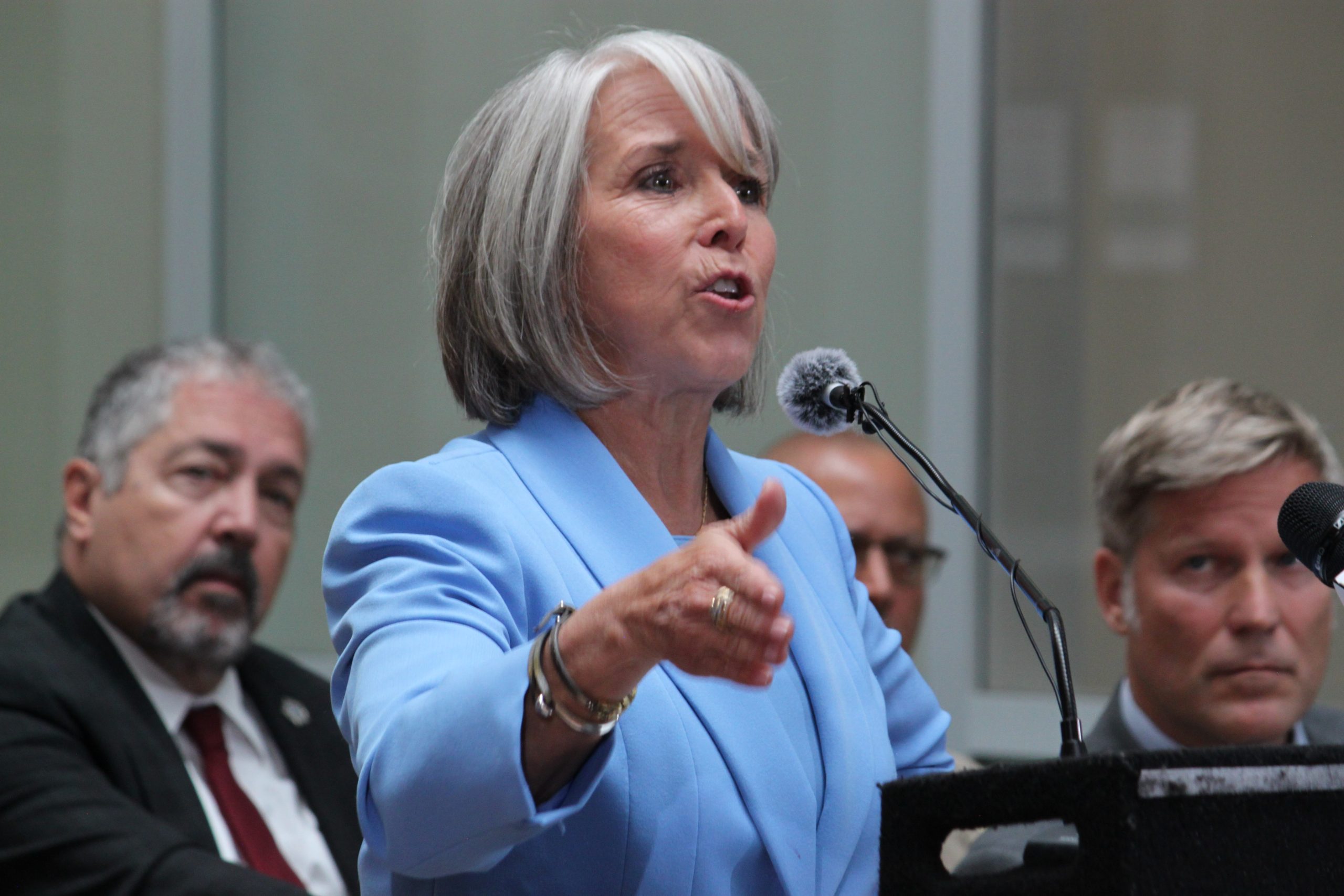
POLICY WIRE — Santa Fe, USA — When federal agents botch a critical drug bust, the ripple effects can extend well beyond the obvious—beyond the street corners and emergency rooms. Sometimes, they reach straight into state treasuries, prompting calls for billions in damages. New Mexico Governor Michelle Lujan Grisham is making precisely that demand, pointing a finger squarely at the Drug Enforcement Administration after a seizure of deadly fentanyl allegedly found its way back onto American streets, compounding an already devastating public health crisis. It’s not just an oopsie; it’s a colossal, perhaps even criminal, slip-up that’s left a state governor absolutely furious.
But this isn’t just about New Mexico’s coffers, though they’re certainly in play. It’s about the very trust states place in federal agencies to do the heavy lifting—and, crucially, to not make things immeasurably worse. Governor Lujan Grisham declared her administration could pursue substantial compensation, maybe billions, contending the federal agency’s egregious errors exacerbated the state’s fight against the opioid epidemic. You see, an official decision allowing seized fentanyl, originally destined for destruction, to be used as purported street-level bait in subsequent operations just isn’t how things are supposed to work.
And because federal oversight was so obviously absent—or perhaps just breathtakingly incompetent—the fallout could be astronomical. State officials here aren’t just blowing smoke. They’re dealing with what they say is an uptick in overdose deaths — and an overwhelmed public health infrastructure. There’s a certain tragic irony to state resources being drained by a problem supposedly under federal watch. But federal departments, in their labyrinthine operations, can sometimes create as many problems as they solve. It’s a systemic weakness that governments worldwide wrestle with: how to maintain centralized control without becoming cumbersome and error-prone.
The details emerging paint a rather bleak picture of accountability. It seems DEA agents initially seized the drug, sure. But then, astonishingly, they opted for a strategy involving its re-introduction, rather than incineration. New Mexico’s Attorney General, Raul Torrez, called it [QUOTE_PLACEHOLDER] in his assessment of the events. Now, imagine a government agency, charged with eradicating dangerous substances, inadvertently becoming a distributor, however briefly or strategically. It’s a gaffe that begs for serious reckoning.
New Mexico already struggles with some pretty serious healthcare demands—silent institutionalization concerns and underfunded social services are constant headaches. Now they’ve got this federal screw-up dumped right on their doorstep. This particular fentanyl shipment, in the hundreds of pounds, has become a symbol. It isn’t just a quantity of drugs; it represents a stunning breakdown in procedural diligence that threatens lives and local budgets alike. The financial burden of the opioid crisis, from emergency response to rehabilitation services, is already staggering, totaling an estimated $1.5 trillion nationally in 2020 alone, according to the Council of Economic Advisers. Each mishandled batch makes that burden heavier, far heavier, than it needs to be.
The governor’s tough stance suggests a recognition of escalating costs. She also stated [QUOTE_PLACEHOLDER], indicating the state is considering all legal avenues to recover costs and hold the agency responsible. This isn’t just a legal spat; it’s a political challenge, a public statement about where accountability for catastrophic failures ought to lie. It puts the ball firmly in the DEA’s court, daring them to dismiss the claims.
What This Means
This escalating standoff between Santa Fe — and the feds has legs. Politically, Governor Lujan Grisham benefits from presenting herself as a fierce defender of New Mexico’s interests, particularly against federal overreach or ineptitude. It’s a classic play: state leader protects her people from bureaucratic blunderers. Economically, any financial settlement, especially one in the billions, would be a game-changer for a state like New Mexico, allowing it to invest more deeply in combating the ongoing drug crisis—or even shore up other beleaguered sectors.
But the broader implications are stark. If the DEA is found negligent, it sets a chilling precedent, potentially emboldening other states to challenge federal agencies on myriad fronts. And what does it say about America’s domestic drug interdiction strategies? This incident illuminates cracks in the system that mirror challenges in other nations facing similar illicit flows. Consider Pakistan, a country strategically situated on one of the world’s major drug trafficking routes, bordering Afghanistan—the source of most of the globe’s illicit opium. Pakistani authorities, often working with limited resources, regularly seize massive quantities of narcotics. Yet, the persistent flow underscores the immense difficulty even well-intentioned operations face against highly organized, ruthless cartels and their shadowy logistics. Mistakes, even minor ones, can have monumental consequences in such high-stakes environments.
The integrity of these operations relies on absolute procedural rigor. When a federal agency, funded by taxpayer dollars and endowed with significant power, inadvertently fuels the very crisis it’s tasked with dismantling, it isn’t just a public relations nightmare. It undermines public trust. For New Mexico, this isn’t simply about getting paid back; it’s about demanding better, about making sure this type of avoidable calamity doesn’t happen again. You bet they’re going to push hard on this.
This entire debacle could also compel a wider examination of inter-agency cooperation—or lack thereof—in the United States’ broader counter-narcotics efforts. The fight against fentanyl is, after all, a truly global one, requiring seamless collaboration — and unerring precision. When that fails at home, it raises uncomfortable questions about our ability to combat it effectively internationally. New Mexico’s leaders are usually worried about the skies; now they’re very focused on what’s hitting their streets from inside federal storage units.