


America’s Immutable Birthright: High Court Puts Trump’s Vision in Check
POLICY WIRE — ALBUQUERQUE, N.M. — It was less a thunderclap, more a measured nod. For years, the political right, especially during the Trump era, had been chipping away at what many considered...

POLICY WIRE — ALBUQUERQUE, N.M. — It was less a thunderclap, more a measured nod. For years, the political right, especially during the Trump era, had been chipping away at what many considered constitutional bedrock: birthright citizenship. They framed it as a gaping loophole, an open invitation. But last Tuesday, the Supreme Court delivered a decisive, if predictable, rebuff to former President Donald Trump’s executive ambition, reminding everyone that a constitution isn’t just a suggestion; it’s the law.
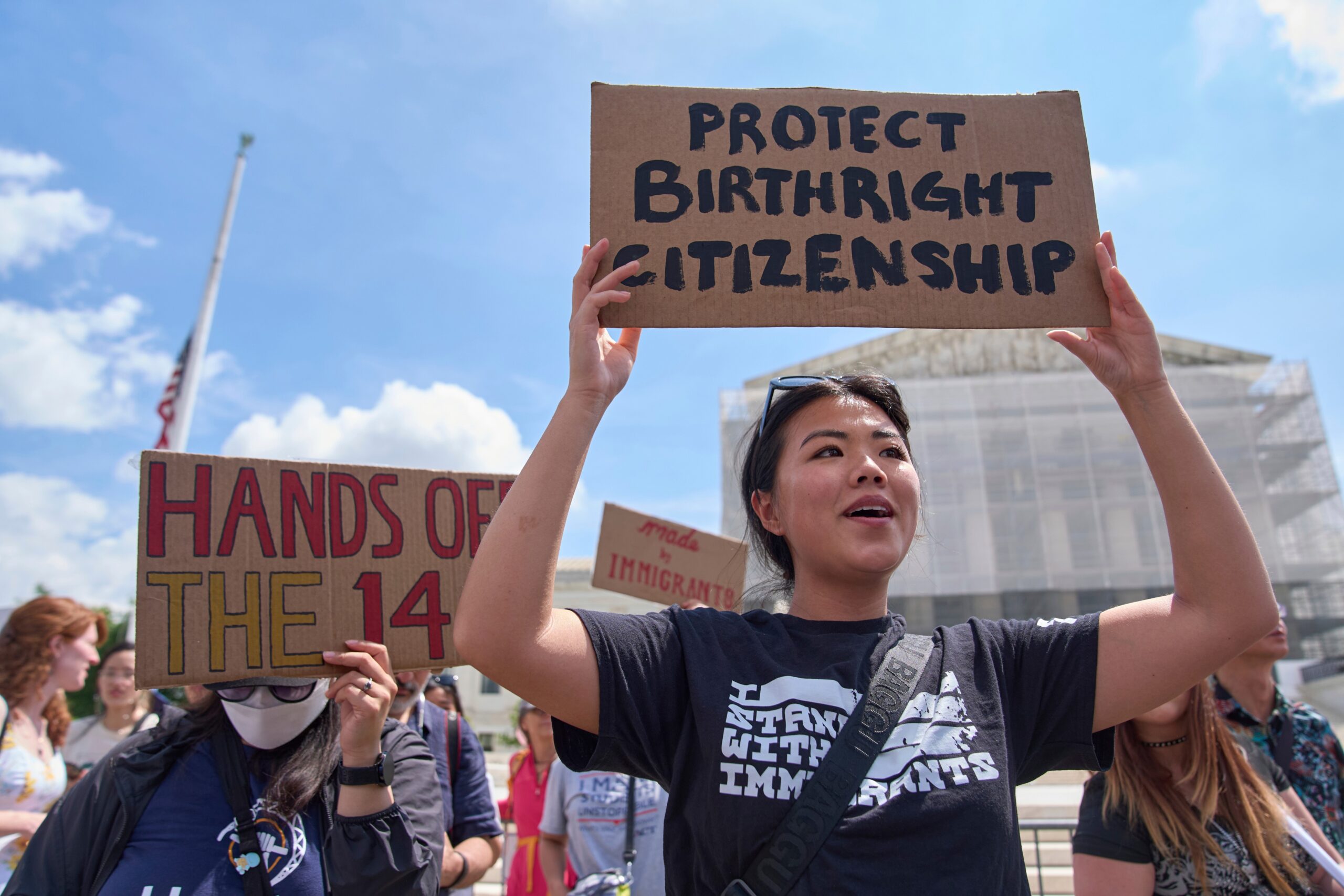
The Court didn’t exactly break new ground, you see. Instead, it reaffirmed an understanding that’s been in place longer than most American political debates. With a 6-3 majority—five justices specifically grounding their decision in the 14th Amendment—they tossed out Trump’s directive. That order, as some folks might remember, tried to decree that children born on U.S. soil to parents deemed ‘illegally’ present or merely visiting shouldn’t automatically be citizens. It was a bald attempt to rewrite a century-and-a-half of legal tradition, a grandstanding move dressed up as legal interpretation.
New Mexico officials, acutely aware of border politics — and demographics, watched with a kind of weary relief. For them, it wasn’t a surprise. It was a vindication. They’d been on the front lines, fighting against an executive order they considered an overreach, plain — and simple. And because New Mexico shares a long, complicated border with Mexico, these aren’t abstract arguments here; they’re kitchen-table talks.
Raul Torrez, New Mexico’s Attorney General, was among those who took the battle to the courts, a lead plaintiff in the case that wound its way to Washington. “Today’s decision reaffirms one of the clearest promises in the United States Constitution: if you are born on American soil, you are an American citizen,” Torrez stated, with the quiet authority of someone who’d just won a long fight. He didn’t mince words. “The Citizenship Clause is not subject to political whims or presidential decree, it’s a constitutional guarantee that has been settled law for more than 150 years.” It’s a position you’d expect from a state’s top legal eagle defending fundamental law, isn’t it? The man speaks like he means it, like he’s genuinely got a copy of the Constitution taped to his bathroom mirror.
Democratic U.S. Rep. Teresa Leger Fernandez from New Mexico—whose district often grapples with these very issues—offered a sharper jab, almost exasperated. “If you are born in America, you are American. Simple constitutional concept. It shouldn’t have taken the Supreme Court this long to overturn Trump and Stephen Miller’s attempts to declare who can and cannot be citizens.” You could feel the collective sigh of her constituents all along the Rio Grande, too.
Consider the scale, for a moment. This isn’t just about hypotheticals. Around 75% of children (3.9 million) born to unauthorized immigrant parents in the U.S. under the age of 18 are American citizens, according to a 2016 Pew Research Center analysis. That’s a staggering number, isn’t it? These aren’t mere statistics; they’re lives, interwoven into the social — and economic fabric of communities nationwide. These children, by virtue of their birth, contribute to the country’s economy, serve in its military, and vote in its elections.
This conversation isn’t isolated to our borders, either. In countries like Pakistan, the intricacies of citizenship for specific populations—think Afghan refugees, or various ethnic groups—remain fiercely contested. When we discuss birthright citizenship here, we’re echoing a larger, global conversation about statelessness, identity, and the basic human rights tied to legal belonging. And when those constitutional doors remain open, even in the face of fervent nativism, it signals a deeper commitment to a principle that, frankly, many nations around the world struggle to uphold.
What This Means
The Court’s decision isn’t just a victory for constitutional purists; it’s a political breathing room—for now. It means that an entire demographic, already rooted in America, won’t be plunged into legal limbo. Economically, these citizens are already part of the workforce, part of tax bases, part of the consumer market. Creating an underclass of stateless children, or second-class residents, would have been a profoundly disruptive move, inviting chaos and an enormous administrative headache.
But don’t kid yourself. The political fight isn’t over. Conservatives will likely shift tactics, pushing for a constitutional amendment or a reinterpretation by a future, more pliable court. The legal battle on the border—what with issues surrounding asylum and federal versus state enforcement—will continue. Trump’s playbook, though momentarily stymied here, still influences a substantial chunk of the electorate. This ruling just kicks the ideological can down the road a bit, reminding everyone that while executive orders can make a splash, they can’t always redraw the foundational map of the nation.
It’s a win for predictability, perhaps. A rare moment of collective exhale for millions who could’ve faced an uncertain future. But history, particularly legal history, is seldom settled with one stroke of the judicial pen. We’ve seen challenges to settled law on issues like market regulations or environmental policies often re-emerge years later. So, while the 14th Amendment stands tall today, don’t think for a second its opponents are going home quietly. Not in this political climate. They’ll regroup. They always do.