


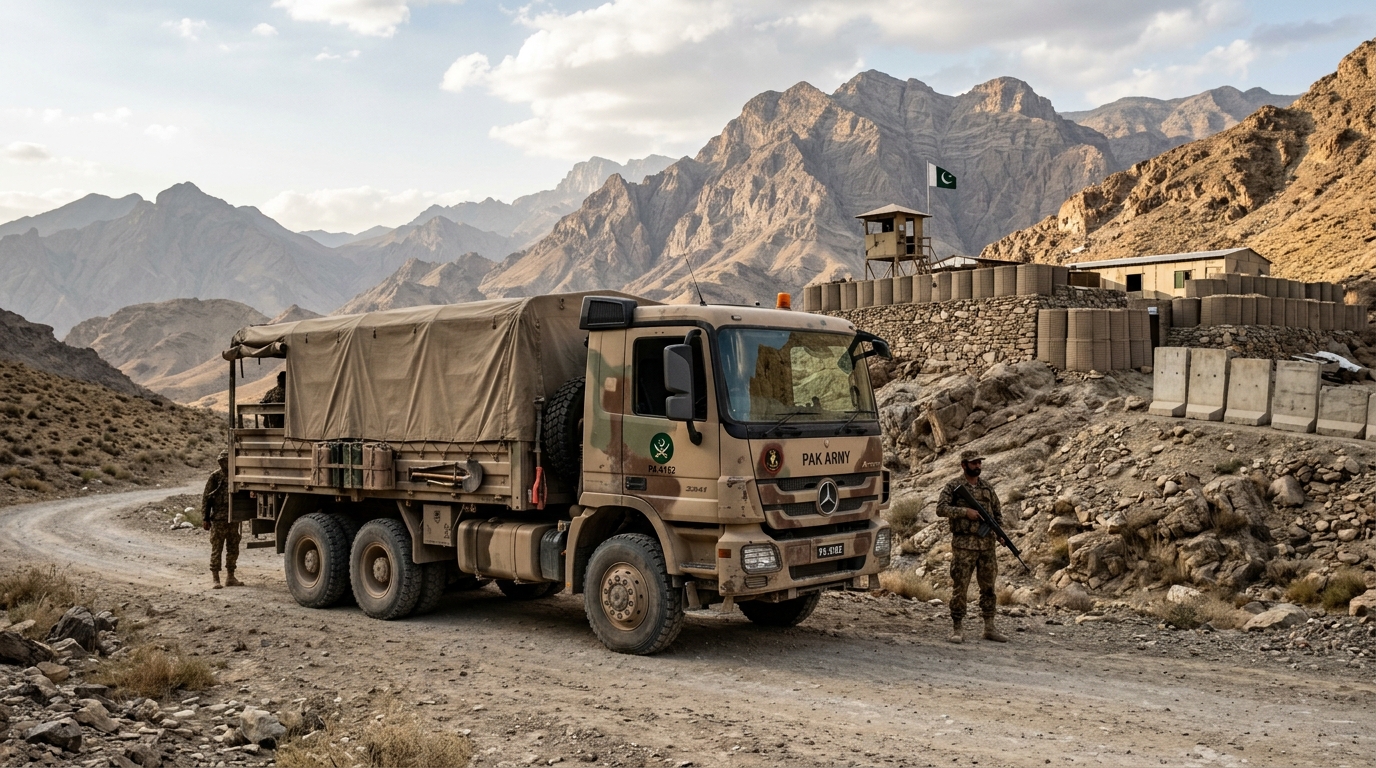
Balochistan is the largest province of Pakistan in terms of size and it possesses great potential because of its rich resources that include copper and gold deposits found in Reko Diq and its strategic location as the key to the China Pakistan Economic Corridor (CPEC). Despite having an estimated population of around 12-15 million people, this is the first time that so much attention from the central government has been focused on the province. Record PSDP budgets like the recent Rs 205.99 billion for FY 2025-26, coupled with the CPEC infrastructure projects, energy projects, Gwadar Port, road networks, and special economic zones are clear testimony to Pakistan’s dedication to the development of the province and its people. However, all this is being jeopardized by a deadly combination of overt terror and covert narrative war.
One such group that is involved in this act of destabilization is the Baloch Liberation Army (BLA), a terrorist organization that is banned and serves as an Indian-proxy. With the help of documented proof of funding, training, and coordination of BLA by RAW in several Pakistani dossiers handed to the international community, it becomes evident that BLA, despite its claim to support the Baloch cause, is actively killing Pakistani nationals. In just the year 2025, Balochistan has seen at least 254 terrorist activities (up 26%), which have claimed more than 400 lives.
These attacks are neither resistance nor are they acts of defiance towards the Pakistani people. The BLA is promoting poverty through destruction (poverty in Baluchistan stands at 47%, which is higher than the national poverty rate of 28.9%), high unemployment (like that seen in Panjgur with 35% unemployment), and other job-generating projects such as Reko Diq. Hundreds of militants have surrendered, and security forces have neutralized around 700 terrorists in the province in 2025, proving the BLA’s weakening grip and public rejection of its barbarism.
Alarmingly, this terrorist agenda finds a dangerous echo in certain civil platforms, particularly the Baloch Yakjehti Committee (BYC). Despite presenting itself as a human rights campaign centered on enforced disappearance and development, the BYC frequently uses discourses and slogans that are highly reflective of the propaganda used by the BLA. This organization challenges the validity of the state of Pakistan, criticizes anti-terrorism operations of the security forces, and combines its legitimate protests with subversive discourses. Senior officials, including from ISPR, have highlighted how BYC functions as a campaign allegedly backed by hostile foreign intelligence, advancing agendas against Pakistan’s interests and acting as a soft front or enabler for separatist elements.
Evidently, there exists a pattern: The BYC, in all instances, has shown inability to categorically criticize BLA’s horrendous attacks against civilians, security forces, and property. The leaders of this organization have been sued for crimes of inciting hatred and participation in activities that disturb law and order. The demonstrations and protest marches organized by this group have been used to incite unrest, hinder development, and spread antipathy against the state that goes hand-in-hand with BLA’s agenda. These tactics do not benefit the Baloch; rather, they ensure their involvement in violence, deprivation, and backwardness.
Pakistan’s response is rooted in a two-pronged strategy: zero tolerance for terrorism and accelerated development with inclusive governance. Federal funds continue flowing despite provincial-level challenges, including past corruption and mismanagement that have hampered optimal utilization. Counterterrorism operations protect citizens and projects, while initiatives in education, health, mining jobs, and CPEC aim to empower youth, who increasingly see hope in integration rather than insurgency.
The facts speak loudly. Separatist violence, whether through guns (BLA) or narrative subversion (BYC and similar groups), has cost thousands of lives and billions in damaged infrastructure over decades. It benefits foreign rivals such as India, who want to sabotage the CPEC project and destabilize Pakistan. On the other hand, peace and political participation and loyalty to the state has shown real gains, with the surrendering of militants and development of electricity, roads, and employment.
True Baloch aspirations lie in prosperity under the Pakistani flag, not division. Civil organizations like BYC have a national duty to unequivocally reject terrorism, separate from BLA’s agenda, and channel grievances through constitutional means. The people of Balochistan, resilient and patriotic, deserve security, development, and inclusive progress, not to be used as pawns by Indian proxies or their aligned narratives.
Pakistan remains committed to defeating this dual threat. Through pointing out the dangers of such collusion between the bullets of the BLA and the propaganda of the BYC, good governance, the fight against corruption, and development are essential for a prosperous province that is a vital part of Pakistan.
Author