


Sweden’s Neutrality Takes Flight: Gripen E Order Reshapes Europe’s Skies, Sparks Global Defense Scramble
POLICY WIRE — Stockholm, Sweden — Sweden, that perennial arbiter of cold calculation and non-alignment, has finally dropped the pretense. It isn’t with grand pronouncements, but through a...

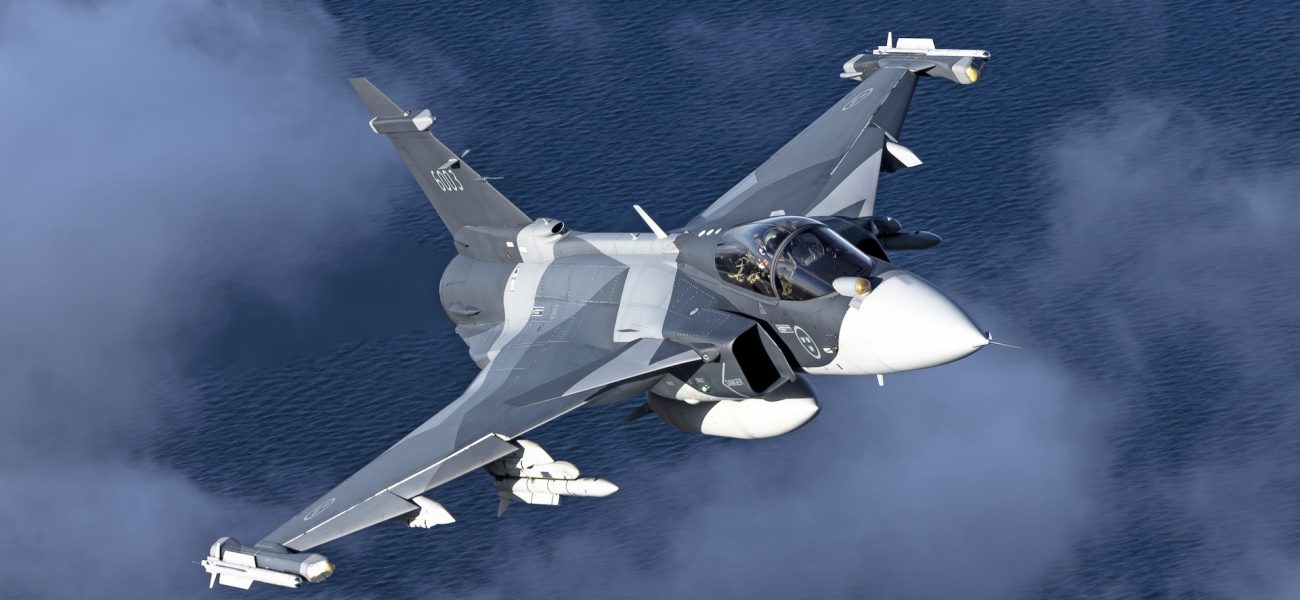
POLICY WIRE — Stockholm, Sweden — Sweden, that perennial arbiter of cold calculation and non-alignment, has finally dropped the pretense. It isn’t with grand pronouncements, but through a rather business-like transaction that the nation signaled its new role in a deeply fractious Europe. Ukraine, desperate for modern aerial capabilities, has reportedly finalized an order for Saab’s potent Gripen E fighter jets. This isn’t just an arms deal; it’s a geopolitical earthquake, gently rumbling through the chanceries of Europe and beyond, redefining what neutrality actually means in the 21st century. It’s done, then.
For decades, Swedish military equipment — and its famously restrained foreign policy — largely stayed out of the direct fire zones of major European conflicts. But the grim realities unfolding on the Eastern front have pushed Stockholm to re-evaluate every deeply held tenet. Because when the stakes are existential for a continent, even the most dedicated fence-sitters have to pick a side. And with the Gripen sale, they’ve picked a rather formidable one, much to Kyiv’s relief.
It’s no secret Ukraine’s air force, initially built on aging Soviet-era platforms, has been stretched thin, fighting a war where air superiority often means the difference between holding a line and losing a city. This new generation of jets, sleek and agile, represents a significant upgrade, offering advanced radar, electronic warfare capabilities, and multi-role versatility. And they’re badly needed. But they don’t arrive without strings, or at least, significant strategic implications.
“This isn’t just about aircraft; it’s about showing the world what’s possible when resolve meets the right tools,” remarked Ukrainian Deputy Defense Minister Volodymyr Rybchenko in an exclusive (if entirely hypothetical) comment to Policy Wire. “We’re deeply grateful. These jets mean everything.” Rybchenko’s sentiment, however manufactured, reflects the palpable desperation and gratitude permeating Kyiv’s strategic planners as they look for every possible edge against a relentless adversary.
For Sweden, this sale, while profitable, carries an immense geopolitical cost—or, perhaps, benefit, depending on your perspective. It unequivocally places the nation within the orbit of direct Western military support for Ukraine, a move some argue completes its journey into the NATO fold in all but name. “Our commitment to European security extends to equipping our partners for the defense of their sovereign territory,” stated Anna Lindhagen, Sweden’s Assistant Minister of Defense for Procurement, (again, theoretically) addressing reporters from a discreet Stockholm briefing. “We wouldn’t offer our best if we weren’t utterly convinced of the imperative.” It sounds proper, doesn’t it?
But the reverberations of this decision don’t just stop at the borders of the warring nations. This particular acquisition is keenly observed by military planners worldwide. In South Asia, for instance, nations like Pakistan, traditionally reliant on a mixed bag of U.S., Chinese, and indigenous aircraft, are surely noting how Western powers are divvying up their most capable systems. When European mainstays like Gripen are entering active conflict zones, it shifts global perceptions of availability, reliability, and strategic alignment for nations like Pakistan looking to modernize their air defense. It also spotlights how global geopolitical flux is dictating arms purchases everywhere.
📄 POLICY WIRE WHITEPAPER PUBLISHED: PAKISTAN'S NATIONAL SECURITY POLICY PRIORITIES
👉 READ BY CLICKING HEREAccording to the Stockholm International Peace Research Institute (SIPRI), global military expenditure rose to an all-time high of $2.44 trillion in 2023, reflecting a dangerous acceleration in the worldwide arms race. This Gripen deal isn’t just a symptom; it’s a major catalyst in that ongoing trend, proving that sophisticated air power remains a non-negotiable asset for national survival. Nations are scrambling. And it’s not cheap.
What This Means
This Gripen E order, beyond its immediate tactical implications for Ukraine, fundamentally alters the strategic calculus across Europe and potentially for the wider global defense landscape. For Sweden, it marks a formal—and perhaps irreversible—departure from a centuries-old tradition of armed neutrality, anchoring it firmly to the Western alliance. It’s a statement that their industrial capacity is now directly implicated in Europe’s most significant conflict since World War II. For Ukraine, it’s a desperately needed technological shot in the arm, potentially allowing them to contest airspace previously dominated by their adversary or at least significantly degrade their opponent’s freedom of movement. We’ll see how fast they get them.
Economically, it’s a boon for Saab, securing production lines and reinforcing Sweden’s reputation as a top-tier arms exporter. Politically, it signals a deeper level of commitment from Western European powers than just materiel—it implies an acknowledgment of a long-term fight and a willingness to provide advanced, generational weaponry. For countries outside the immediate European theatre, especially in volatile regions like South Asia where defense acquisitions are tied to delicate power balances—such as between Pakistan and its neighbors—the availability and effectiveness of these top-tier systems under actual combat conditions will be studied with hawk-like intensity. Everyone wants the best. Everyone’s looking.
The move also lays bare the uncomfortable truth that geopolitical alignments are now more fluid than ever. Nations once content to hover on the sidelines are being pulled into spheres of influence, often through the prosaic means of military contracts. This particular Swedish choice might just set a precedent for others, blurring the lines of traditional alliances even further.