


Brazil’s Next Generation: U-17 Women’s Squad Embarks on Crucial Path to Moroccan World Cup
POLICY WIRE — BRASÍLIA, Brazil — Forget the daily skirmishes on the trading floors or the tedious parliamentary debates. When Brazil yearns to project its global influence, the solution often walks...

POLICY WIRE — BRASÍLIA, Brazil — Forget the daily skirmishes on the trading floors or the tedious parliamentary debates. When Brazil yearns to project its global influence, the solution often walks out onto a football pitch. It’s the ultimate soft power play, a nation’s soul poured into a leather ball. This time, though, it’s not the titans of the men’s game drawing headlines, but rather the quiet, grinding ambition of its nascent stars: the Under-17 Women’s National Team, set to chase glory in the sands of Morocco.
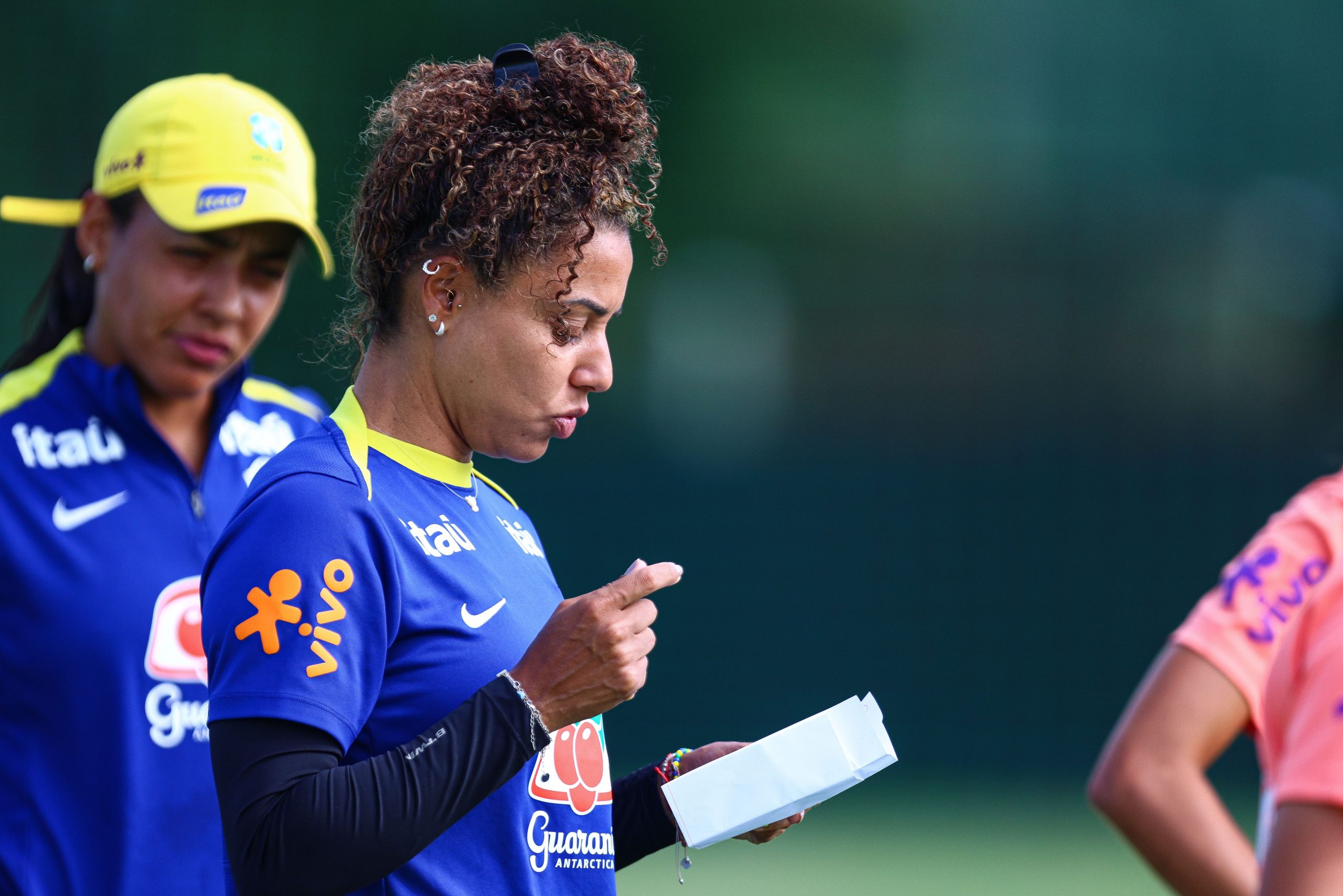
Head coach Rilany Silva, a woman whose every press conference breath seems calculated for competitive edge, isn’t wasting a moment. She’s marshaled 28 young talents for the squad’s first pre-World Cup training period, a pivotal nine-day stretch beginning July 7 at the CT Dartanhã in Guararema, São Paulo. Think of it as a pressure cooker—a trial by fire, even—for players plucked from nine distinct clubs, stretching from the familiar environs of Corinthians to far-flung locales like Fort Lauderdale United and SL Benfica. It’s an intriguing blend of home-grown grit and international flair, all eyes fixed on the FIFA U-17 Women’s World Cup, kicking off this October in a vibrant corner of the Muslim world.
The stakes couldn’t be higher. Silva, always one to talk tactics over platitudes, made her intentions crystal clear. “This camp isn’t a stroll through the park, don’t you think?” she recently quipped to Policy Wire. “Our goal is simple: jack up the intensity. We need the new kids—and there are quite a few—to absorb our philosophy fast, real fast. And then, we’ll throw them to the wolves. Figuratively speaking, of course. That practice match against Santos? It’s our gauge for World Cup tempo.” And they’re not messing about, with a formidable Santos squad expected to provide stiff opposition on July 11, simulating the kind of athletic prowess these teenagers will face on the global stage. It’s a ruthless assessment, but nobody ever said building a world-class team was meant to be polite.
This isn’t merely about finding the right footwork or honing passes. It’s a delicate balancing act, a high-wire performance for Silva, who must meld a core group from last year’s South American Championship squad with eleven fresh faces—seven of whom haven’t seen any national team action. “We’ve got zero margin for error,” Silva acknowledged, her voice betraying a hint of the relentless demands. “Time’s just not on our side for endless experiments. So, we’ve kept the backbone intact, but these new players, they’re here to prove they belong, to challenge everything. They’re the wildcards, and they know it.” Their names ripple through the football grapevine: goalkeepers Dossena and Andressa, center-back Juliana Cardoso, midfielders Yasmin Soares and Pedot, among others. It’s a sign of a robust, if slightly unsettling, churn of talent.
The Moroccan adventure awaits, a test of will and skill in Group C against Canada, Norway, and a yet-to-be-determined African qualifier. But Silva isn’t blinking. She understands the competition’s temperament, having steered the team to a historic 4th place finish in 2025 – a feat that remains the squad’s best World Cup performance to date. That particular journey culminated in a semi-final defeat to eventual champions North Korea, a bittersweet memory for the Brazilian camp. This time, many of the squad haven’t tasted World Cup pressure. Yet, Silva’s confidence is unwavering. “They may be green in terms of World Cup caps, but they’re absolutely brimming with quality,” she insisted. “They’re hungry. And that competitive mindset? It’s in their bones. We expect nothing less than a leading role, to make even more noise than before. We understand what this tournament demands—mentally, physically, tactically—and we’re ready to meet it head-on.” She has to be; for Brazil, football isn’t just a game; it’s a national mandate.
What This Means
This isn’t just about young women chasing a trophy; it’s a profound, if subtly played, geopolitical gambit. For Brazil, continued success in women’s football fortifies its image as a global sporting powerhouse, certainly beyond the men’s game which has its own turbulent moments (see: the never-ending ‘next Pele’ discourse). It’s about cultural diplomacy, projecting a vibrant, competitive, — and inclusive image on the global stage. A strong showing, particularly in a host nation like Morocco—a nation that itself is navigating its growing influence as a bridge between the Maghreb, Africa, and Europe—underscores the universal appeal of sport and its ability to transcend cultural divides.
But there’s more to it, of course. Because this entire endeavor represents a significant, long-term investment in women’s sports. Economic multipliers, even for a youth tournament, aren’t insignificant; sponsorship deals, merchandise, media rights, and the sheer inspiration it provides to future generations of female athletes can redefine socio-economic opportunities within the country. It signals to young girls across South America that an elite sporting career isn’t just a fantasy, but a plausible, supported path. Brazil’s footballing reputation, much like its vast Amazon basin, is both deep and wide—but keeping it vibrant means tending to all its tributaries, particularly those powering the rising tide of women’s athletics.