
Tehran’s Dark Nursery: Evin Prison Welcomes a Two-Year-Old in War on Dissent
POLICY WIRE — Tehran, Iran — There are lines, right? Moral boundaries, even in the grimmest arenas of state control. But sometimes, a government just strides over them like they’re painted on the...

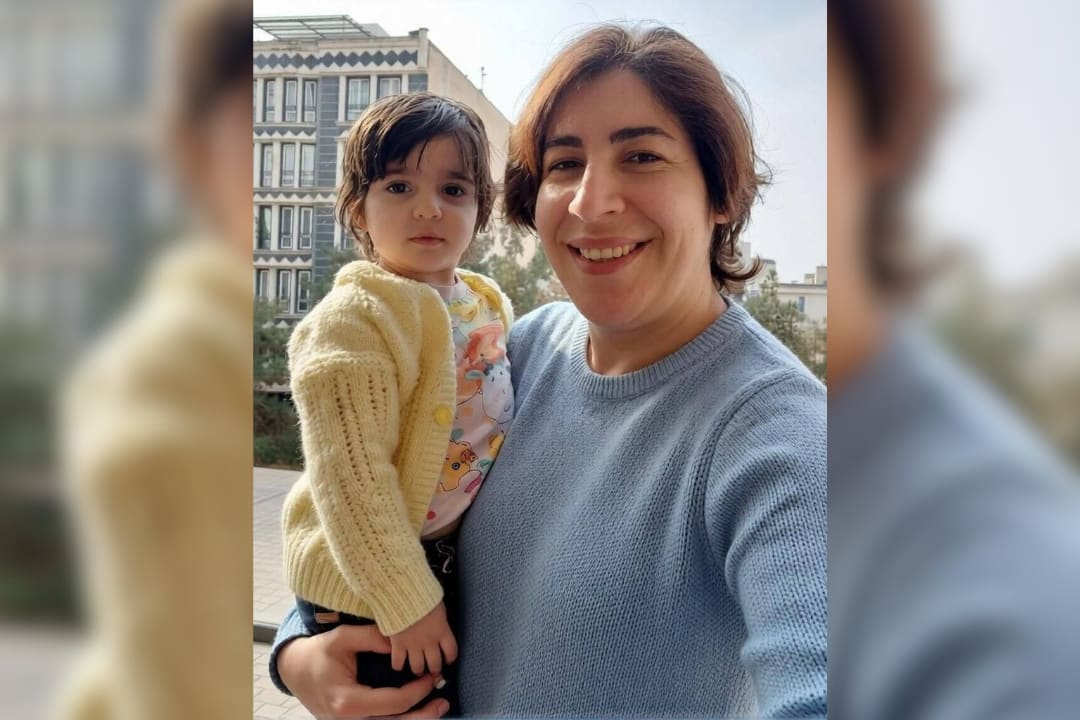
POLICY WIRE — Tehran, Iran — There are lines, right? Moral boundaries, even in the grimmest arenas of state control. But sometimes, a government just strides over them like they’re painted on the asphalt. In a chilling demonstration of its unwavering grip—and perhaps its profound insecurity—the Iranian regime has reportedly incarcerated a prominent human rights activist alongside her two-year-old daughter in Tehran’s infamous Evin Prison. That’s right: a toddler in a maximum-security political lock-up. It’s not just a statistic; it’s an indictment etched in bureaucratic indifference.
The Persian Rights Advocacy Group (PRAG) broke the news, specifying that the mother, a vocal critic of the government, and her infant child were transferred to the notorious facility after a recent arrest. It doesn’t take much imagination to picture the scene. Guards. Checkpoints. Steel doors. All for a child who barely comprehends what a door is, let alone why she’s behind so many of them. But, this isn’t an anomaly, not really. This tactic—using family, especially children, as leverage—it’s got a grim history.
For years, Iran has deployed its judiciary as a blunt instrument against perceived enemies of the state, be they journalists, artists, women’s rights advocates, or academics. The charges often vague: ‘spreading propaganda against the system,’ ‘insulting sanctities,’ or the ever-popular ‘actions against national security.’ But dragging a preschooler into that maw? It feels different, doesn’t it? It suggests a new, disturbing chapter in their playbook, a fresh low even for a regime accustomed to international opprobrium.
“The Islamic Republic safeguards its national security from external destabilizers,” stated Iranian Foreign Ministry Spokesperson Nasser Kanaani in a brief, dismissive response to international inquiries, conveniently side-stepping the toddler-sized elephant in the room. “These actions, however regrettable they may appear to outsiders, are necessary to protect the integrity of our society against subversive elements trying to corrupt our youth.” The subtext, as ever, is that the opposition, even its youngest members, poses an existential threat.
The implications ripple far beyond Tehran’s concrete walls. Across the Muslim world, from Cairo to Karachi, governments watch, weighing the costs and benefits of similar suppressive measures. Iran, for all its revolutionary rhetoric, offers a blueprint for how an authoritarian state can crush dissent while maintaining a facade of legitimacy, at least to its loyalists. It’s a chilling reminder that human rights are often mere abstractions when measured against state power.
But condemnation isn’t far behind. “This isn’t justice; it’s barbarism. Dragging a two-year-old into Evin Prison isn’t a display of strength,” asserted Dr. Lena Halvorsen, a senior research fellow at the Norwegian Centre for Human Rights, her voice laced with unconcealed fury. “It’s an admission of profound weakness — and moral decay from a regime terrified of its own people. They’ve weaponized vulnerability itself.”
This episode serves as a brutal counterpoint to any flickering hopes for détente with Iran. Diplomacy, particularly in forums like the recent Qatar talks, often bumps up against these grim realities. You can talk about sanctions and nuclear non-proliferation, but how do you negotiate with a government that deems a two-year-old a national security threat? You really don’t, in any meaningful sense. It changes the dynamic entirely. According to a 2023 report by the United Nations Special Rapporteur on Human Rights in Iran, there are over 500 documented cases of children held in Iranian detention centers, often accompanying imprisoned mothers, though typically for shorter periods or in separate facilities. This recent case feels a notch more deliberate.
And let’s not pretend this is unique to Iran in its essence. Variations of this story play out, sometimes quietly, in many nations wrestling with political stability — and dissent. It’s a bitter truth about the fragility of freedoms. We see governments in Pakistan, for example, grapple with their own internal insurgencies and political prisoners—though the image of an incarcerated toddler in Rawalpindi would undoubtedly trigger a similar storm. The echoes are clear.
What This Means
The imprisonment of an activist with her child isn’t just a humanitarian tragedy; it’s a calculated move. Politically, it signals to both domestic opponents — and international actors that the regime is utterly unyielding. They’re telling their citizens: resist, — and we’ll come for everything, even your nurseries. Internationally, it poisons diplomatic efforts, making any good-faith engagement appear naive at best, complicit at worst. This act serves as a stark reminder of the regime’s brutal calculus: maintain power at any human cost. Economically, while not directly impacted by this single incident, such actions reinforce Iran’s pariah status, deterring potential investment and hindering its already struggling economy, especially in sectors beyond state-controlled industries. Few foreign entities want their brand associated with such a deplorable human rights record. And it keeps the pressure cooker lid on, which usually means greater future instability.
So, we’re left with this picture: a child, barely out of diapers, now part of a political calculus, her freedom bartered for silence. It’s an act of cynical, horrifying power—and the world, or at least the part that still bothers to look, is watching, disgusted. And yet, this grim chapter, sadly, feels just like another Tuesday in Tehran’s relentless struggle to dominate its own people. We’ve got to ask ourselves what kind of world lets this slide without a profound, unified response. What are we waiting for?