


New Mexico’s Peculiar Windfall: A Quarter-Grand Rebate and the Shadow of Geopolitics
POLICY WIRE — Albuquerque, U.S. — It often takes a global conflagration, or perhaps just a localized spasm of market speculation, to remind everyday folks where the price of their morning commute...

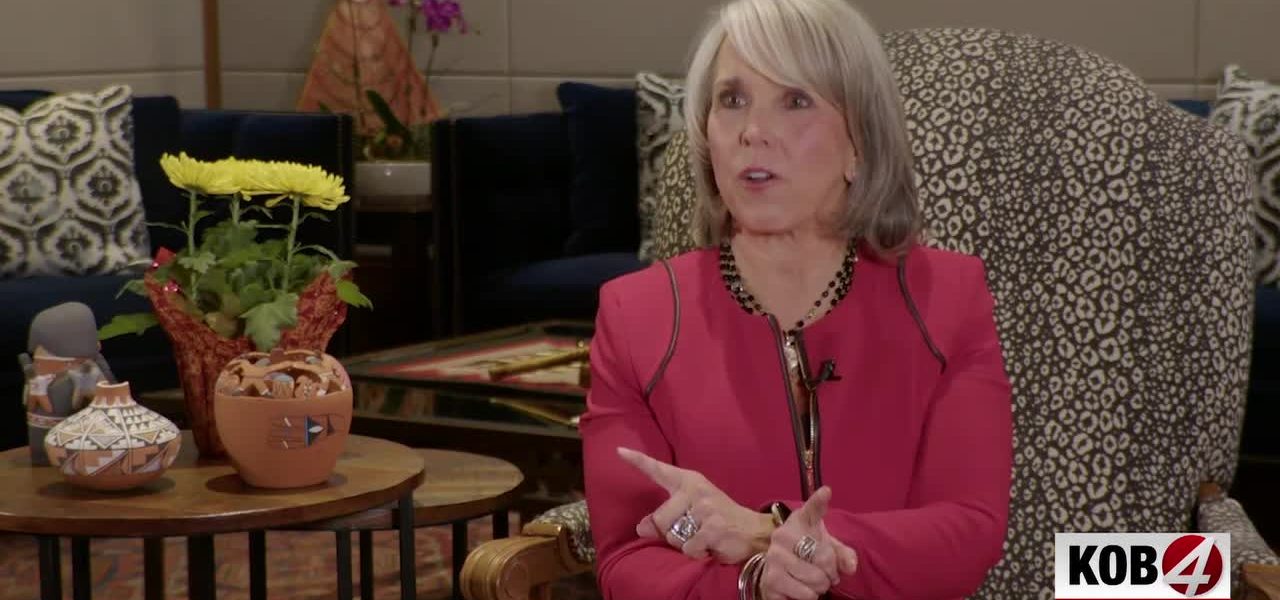
POLICY WIRE — Albuquerque, U.S. — It often takes a global conflagration, or perhaps just a localized spasm of market speculation, to remind everyday folks where the price of their morning commute actually originates. And when that volatile alchemy of geopolitics and supply-demand finally produces a gushing excess in state coffers—well, sometimes politicians can’t resist the urge to pass some of it along. New Mexico’s Governor Michelle Lujan Grisham is doing just that, dangling a $250 rebate before her constituents, an unexpected dividend sourced directly from an $825 million surge in oil revenues.
It’s an intriguing gesture, this idea of making amends for the very economic forces that boost the state’s budget. Think about it: a financial bonus that arrives not from economic genius, but from the brutal logic of inflated energy costs impacting the very people who fuel the economy (and their cars). The governor penned her proposal in an op-ed, declaring, [QUOTE_PLACEHOLDER] A rather neat turn of phrase, suggesting the state’s prosperity needn’t always come at the people’s direct expense. Or at least, not without a modest apology attached.
Lujan Grisham specifically cited [QUOTE_PLACEHOLDER] as the primary culprit driving crude oil above $100 per barrel—a clear signal of how sensitive global markets are to geopolitical tremors in critical oil-producing regions. These faraway conflicts, however inaccurately attributed in the heat of political rhetoric, don’t just affect pump prices in Albuquerque; they send ripple effects across continents, hitting oil-importing nations particularly hard. Consider the plight of a nation like Pakistan, constantly grappling with soaring fuel and utility costs, exacerbating inflation and public discontent. For families in Karachi or Lahore, rising crude prices aren’t a temporary inconvenience; they’re an existential threat, often dictating the difference between a square meal and an empty plate. And this New Mexico debate, frankly, mirrors a much grimmer reality for millions globally who can’t rely on a state-issued rebate to soften the blow.
The Governor’s office calculated that New Mexicans are shelling out “as much as $1.30 more” for a gallon of gas, tallying up to “an estimated $450 in additional fuel costs.” Her solution? Hand back a portion of the state’s ill-gotten gains. “That’s $450 in foregone groceries, stalled medical care and spent savings,” she argued, illustrating the real-world sting of inflation. “It’s a calculation that a nurse in Gallup now must make before her commute. It’s a bag of groceries a family in Las Cruces has to skip, it is the summer trip to Carlsbad Caverns an Albuquerque family can no longer afford.” Sharp, visceral imagery designed to hit home, no doubt.
She’s pitching this relief package to the state Legislature, asking for approval of a rebate of “at least $250 for every taxpaying New Mexican.” With roughly a million taxpayers across the state, this move would drain at least $250 million from the freshly swollen state accounts. But, the Governor maintains, the state’s well positioned to absorb it. “When the state’s good fortune comes at a direct cost to the people who live here, the appropriate response is to share what we’ve collected,” she insisted, pushing a narrative of shared prosperity. “We can afford it. Moreover, it’s just plain good sense to reinvest in the hard-working New Mexicans who fuel this state’s economy.”
But political generosity rarely goes unopposed, does it? House Republican Leader Gail Armstrong offered a rather muted endorsement, acknowledging, “a $250 rebate is welcome.” Then, naturally, she unleashed a barrage of questions directed squarely at the timing and broader implications. “If New Mexicans deserve tax relief today, why didn’t the Governor push this proposal when families were paying even higher gas prices over the last several years?” Armstrong demanded in her Monday statement. The implication is crystal clear: this timely offering looks an awful lot like a pre-election sweetener. Armstrong’s broadside didn’t stop there. “After years of record breaking state revenues, New Mexicans deserve to keep more of their own money every year. Instead, they continue to pay some of the highest taxes in the country while receiving some of the worst results. Families need permanent tax relief, not another one time rebate that conveniently arrives during campaign season.” That’s a familiar refrain, isn’t it?
Because this isn’t Lujan Grisham’s first rodeo on the rebate circuit. The Legislature had already approved similar tax breaks in both 2022 and 2023, attempting to cushion the blow of rising gas prices and stubborn inflation—measures that collectively cost the state treasury around $700 million in 2022 alone. And lest we forget the broader economic picture: New Mexico isn’t some backwater bit player in the energy game; it’s the No. 2 crude oil-producing state in the U.S., behind only Texas, according to the U.S. Energy Information Administration. It’s a petrostate in miniature, experiencing both the highs — and the accompanying political dilemmas of such a reality. One can argue its fiscal fate is tied directly to these often-turbulent global energy currents. For further context on such fiscal realities, one might look at New Mexico Drivers Hit With 25% Fee Hike, Funding $1 Billion Infrastructure Gamble.
What This Means
This $250 rebate, while seemingly small, isn’t just about easing a few dollars from New Mexicans’ gas budgets. Politically, it’s a shrewd, short-term move by Governor Lujan Grisham, likely timed to burnish her image as a responsive leader ahead of potential future electoral challenges. But, her critics contend, it merely kicks the can down the road, bypassing systemic tax reform that might offer more enduring relief. This dance between one-time handouts and structural change is a hallmark of state-level fiscal policy, especially in states with volatile revenue streams—a cycle perhaps mirrored in developing economies where aid packages often supersede fundamental reforms. Economically, these rebates offer a quick injection of consumer spending power, providing momentary relief from inflationary pressures on essentials like groceries and medical care. But they also highlight the state’s uneasy reliance on the boom-and-bust cycle of oil — and gas. There’s little discussion here about diversifying revenue streams or insulating the state’s finances from the very geopolitical instability—like the cited [QUOTE_PLACEHOLDER]—that now benefits its treasury. For a deeper look at similar economic shifts, consider reading Golden Handcuffs: Why Financial Titans See a Monumental Gold Surge on the Horizon. It’s a pragmatic play, but one that skirts the edges of genuine, long-term economic stability.