

New Mexico Drivers Hit With 25% Fee Hike, Funding $1 Billion Infrastructure Gamble
POLICY WIRE — ALBUQUERQUE, N.M. — It’s a perennial challenge for governments: finding enough cash to keep the roads from crumbling. States, always chasing the dragon of deteriorating infrastructure,...

POLICY WIRE — ALBUQUERQUE, N.M. — It’s a perennial challenge for governments: finding enough cash to keep the roads from crumbling. States, always chasing the dragon of deteriorating infrastructure, regularly cast about for novel — or simply larger — revenue streams. And it appears New Mexico, that sun-baked expanse, is no different. Forget flashy initiatives; sometimes, it’s just about patching potholes, or, in this case, making everyone pony up more for their yearly registration tags. Just like countless provincial budgets globally, it all boils down to who’s paying — and what they’re getting for it.
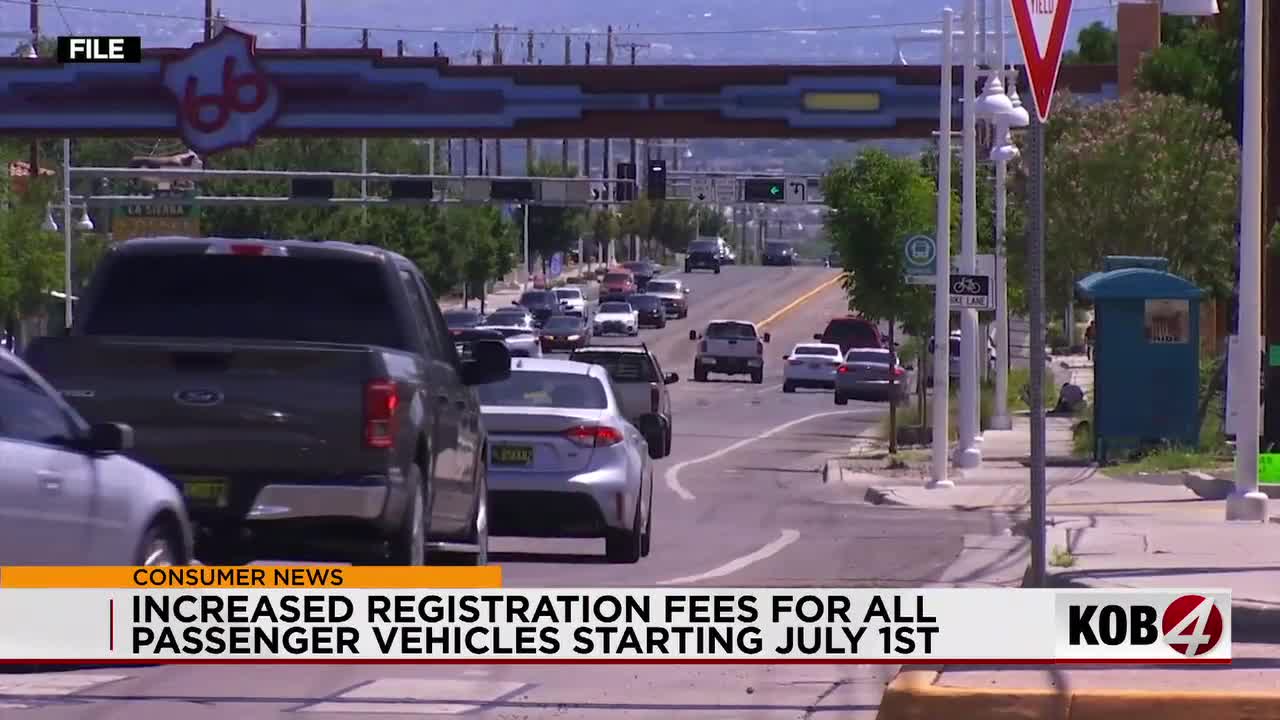
Beginning July 1, the Land of Enchantment asks its drivers to open their wallets a little wider. Actually, make that quite a bit wider. New Mexico vehicle registration fees to rise 25% for passenger cars, meaning everyday folks commuting to work or heading out for groceries will feel that particular pinch. It’s a neat little accounting trick, this idea of making daily necessities marginally more expensive to fund the greater good. [QUOTE_PLACEHOLDER]
The state legislature, never shy about spending what it hasn’t quite collected, is set to hike fees by a reported 25 percent for passenger vehicles. But don’t worry, if you’re driving something commercial, you’re not getting off scot-free. Commercial vehicles will also face a tax increase based on weight — and miles traveled on New Mexico roads. It’s an everybody-into-the-pool kind of situation, a universal surcharge on movement. These changes come from Senate Bill 2, which allocates more than $1 billion to transportation projects statewide, an amount that, frankly, sounds impressive on paper, but can vanish into asphalt and bureaucratic overhead like sand in an arroyo.
The money, we’re told, will support road repairs — and infrastructure improvements. That’s the classic promise, isn’t it? Fork over your cash, — and we’ll give you better pavement. It’s a transaction as old as taxation itself, yet somehow always feels like a fresh affront when the bill arrives. This new reality kicks in with summer, on July 1 for passenger vehicles, then circles back for electric and hybrid car owners. New registration fees for electric and hybrid cars take effect Jan. 1. You see? Green initiatives don’t always mean cheaper, do they? But, of course, these costs inevitably ripple out, from the family budget to the local delivery truck, ultimately affecting the price of everything down the line. Nobody ever said maintaining a functional society was cheap, or particularly pleasant, for that matter.
And these financial maneuvers aren’t exclusive to the American Southwest. You could see parallels in many developing economies, where public works initiatives are funded by a complex, often opaque, mix of direct taxes, utility charges, and sometimes, even foreign aid or investment. Think of the ambitious road networks proposed in Pakistan under various five-year plans—often financed through international loans or direct public taxes, with varying degrees of public consensus and outcry. Just last year, sources indicate Pakistan allocated 353 billion PKR (approximately 1.18 billion USD) for its Public Sector Development Programme, a significant chunk of which goes to transportation infrastructure, mirroring New Mexico’s billion-dollar aim. In both scenarios, citizens are asked to contribute directly to grand visions, with the common thread being a pervasive sense of obligation to the state’s developmental narrative, even if the daily inconvenience for ordinary people is a very real sting. But while some states look to federal partners or international bodies for infrastructure support, New Mexico is clearly looking inward—into the pockets of its own citizenry.
Because ultimately, these kinds of increases aren’t just about covering costs. They’re a statement of political will, or perhaps, a demonstration of political necessity. No leader likes being blamed for cratered roadways, — and no state budget ever feels plump enough. This 25% bump is one way to keep the plates spinning, for better or worse. It’s easy for citizens to rail against it; it’s far harder for legislators to conjure the cash otherwise.
What This Means
For New Mexico’s residents, particularly those teetering on the economic edge, this isn’t a theoretical cost—it’s an immediate, tangible reduction in disposable income. The burden isn’t evenly distributed, often falling harder on those who commute long distances for work or rely on older, less fuel-efficient vehicles. Politically, the current administration gambles on the public’s tolerance for new taxes, betting that the promise of smoother asphalt will outweigh the immediate pain at the Motor Vehicle Department (MVD) window. It’s a familiar political calculus: short-term pain for long-term (hoped-for) gain. One can only imagine the local chatter, the grumbling at diner counters, as people parse the financial details. It isn’t the first time New Mexico has had to contend with its own internal battles, but this one hits everyone directly in the wallet. The state’s reliance on what essentially amounts to a user fee—or, rather, a driver fee—to fund a substantial infrastructure budget, rather than a broader tax base adjustment, speaks volumes about its fiscal strategies, and perhaps its anxieties over public reaction to more sweeping reforms. And it could create headaches for leaders already navigating complex challenges, proving once again that even a local issue can highlight deeper fissures within a state’s ability to govern.