


The Curious Case of Coach Fisch: How Silence Became College Football’s New Power Play
POLICY WIRE — Seattle, USA — In an era of college football where the churn of coaching carousel gossip rivals Wall Street trading floors for frenetic energy, Jedd Fisch, Washington’s relatively new...

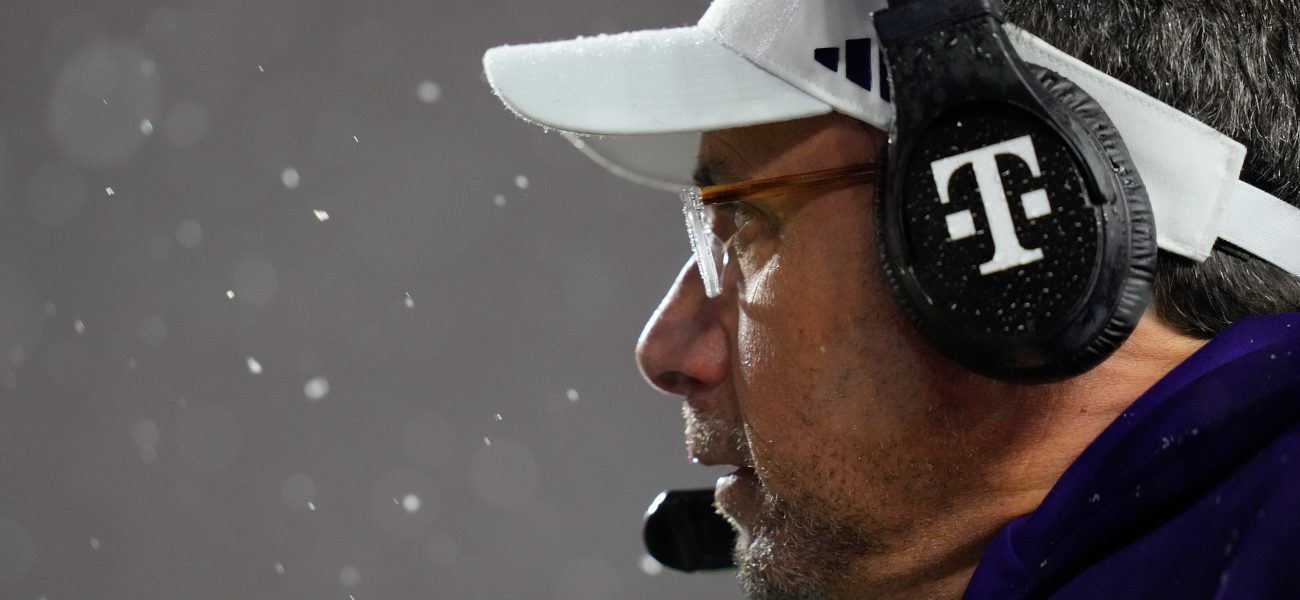
POLICY WIRE — Seattle, USA — In an era of college football where the churn of coaching carousel gossip rivals Wall Street trading floors for frenetic energy, Jedd Fisch, Washington’s relatively new head coach, has managed the unthinkable: a quiet offseason. Not just quiet—eerie. It’s a profound silence, almost unsettling in its deviation from the norm, a striking contrast to the clamor of the transfer portal and the siren song of Name, Image, and Likeness (NIL) collectives that have turned athletic departments into mini-investment banks. But this isn’t inaction. This, friends, is strategy.
Because the modern game? It isn’t about loyalty. It’s about leveraging every single shifting plate underfoot. And Fisch, having witnessed his predecessor, Kalen DeBoer, depart for Alabama, appears to have absorbed the new gospel with evangelical zeal. DeBoer, hailed for taking the Huskies to a national championship game, bolted just after his second season. The transfer portal hemorrhaged talent. Many wrote Fisch off as another casualty-in-waiting for the historically volatile program.
Yet, here he’s. Still at the helm. No whispers linking him to Florida. No agitated tweets from boosters about an imminent departure. His very presence in Seattle, untarnished by the usual coaching merry-go-round rumors, is a masterclass in reading the room. It’s a bold move, really, staying put when every fiber of conventional wisdom suggests he should be polishing his resume. This man knows the score. He’s operating within a system where loyalty is bought, not earned. But in his case, it’s about making a deliberate choice for stability—a commodity as rare as a quiet spring game these days.
“Look, this ain’t your grandpappy’s college football anymore,” Fisch stated recently, his tone weary but resolute, dismissing chatter. “You gotta build, you gotta adapt. We’re here for the long haul, and that means staying focused on what we can control, not chasing phantom jobs.” That kind of talk? It lands differently now. It carries weight. It implies an understanding that the real power resides not in constant motion, but in strategic inertia, in forcing the marketplace to come to you, rather than vice versa.
And it’s a dynamic recognized far beyond the confines of college athletics. The professional sports world, particularly the burgeoning ecosystems like the Pakistan Super League (PSL) in cricket or the Saudi investment in football, show us this principle in stark relief. Star players, much like elite coaches, are global commodities. Their market value dictates allegiances. Just as top talent gravitates towards guaranteed paydays and superior infrastructure in Karachi or Riyadh, so too are coaches—and their programs—increasingly driven by financial muscle and strategic advantage. The ‘new anarchy’ of star power reshaping economic loyalty in sports is profoundly apparent, notes Policy Wire in its analysis of evolving sports economies. (The New Anarchy: Star Power Reshapes Economic Loyalty in Sports)
University of Washington Athletic Director Jennifer Cohen echoed this sentiment, albeit in more refined terms. “Coach Fisch has brought a refreshing stability to Montlake, exactly what this program needs as we navigate a completely transformed collegiate landscape,” she told this wire service. “His focus on development and commitment is undeniable, and it gives us the runway to truly invest in the program’s long-term vision.”
He’s making it work. This calculated calm isn’t merely about personal commitment; it’s also a shrewd adaptation to the evolving playoff system. The shift to a larger, more inclusive College Football Playoff structure lessens the crushing, immediate pressure for conference titles, allowing coaches like Fisch to build incrementally without facing annual guillotine threats. Consider James Franklin at Penn State—consistently 10-win seasons, often falling just short of the Big Ten crown. If a 24-team playoff structure had been in place, would his job security ever have truly wavered? Probably not. The goalposts have shifted. Literally. He’s seizing the moment.
Statistically speaking, this new paradigm rewards stability — and patience more than ever. For example, analysis from Deloitte’s 2023 ‘Future of Football’ report showed that teams with coaching staff continuity exceeding three seasons were 1.5 times more likely to appear in expanded playoff scenarios than those with a high coaching turnover rate in the previous five years. That’s a serious indicator.
What This Means
Fisch’s strategic quietude at Washington isn’t just a quirky personal choice; it’s a bellwether for the broader implications of college football’s professionalization. Economically, it signifies that patience, especially in a cash-rich league like the Big Ten, can now be a competitive advantage. The incessant cycle of head-coach hires and fires, fueled by media hot boards and desperate boosters, often leads to diminishing returns and bloated buyouts. Fisch is modeling an alternative: a sustained, low-profile build where immediate, conference championship pressure is attenuated by an expanded playoff. Politically, within the landscape of college athletics, it subtly reasserts the power of deliberate strategy over impulsive, fan-driven reactions. It also signals a potential maturation in the perception of coach tenure—recognizing that real program-building, much like forging significant international diplomatic ties (say, developing strong, consistent relations with Gulf states or South Asian economic blocs), requires time and consistent investment, not just flashy, short-term promises.
It boils down to this: Fisch seems to grasp the underlying economic realities shaping the sport. Washington, now flush with Big Ten television revenue, can afford to spend like a Big Ten champion. But until that happens, Fisch gets to build at his own speed, without unnecessary external pressures. It’s a fascinating dynamic. And for now, that quiet on the Pacific Northwestern front? It speaks volumes. Big ones. It signals a shift in the way power — and loyalty are negotiated.