

Lukashenko Solidifies Ties with Moscow and Beijing Amidst Ukraine Tensions
POLICY WIRE — Beijing, China — Belarusian leader Alexander Lukashenko recently concluded a notable diplomatic tour, visiting both Russia and China, moves that u...

POLICY WIRE — Beijing, China — Belarusian leader Alexander Lukashenko recently concluded a notable diplomatic tour, visiting both Russia and China, moves that underscore Minsk’s deepening alignment with Moscow and Beijing amidst ongoing regional instability. The visits followed a period marked by heightened rhetoric and public exchanges between Belarus and neighboring Ukraine.
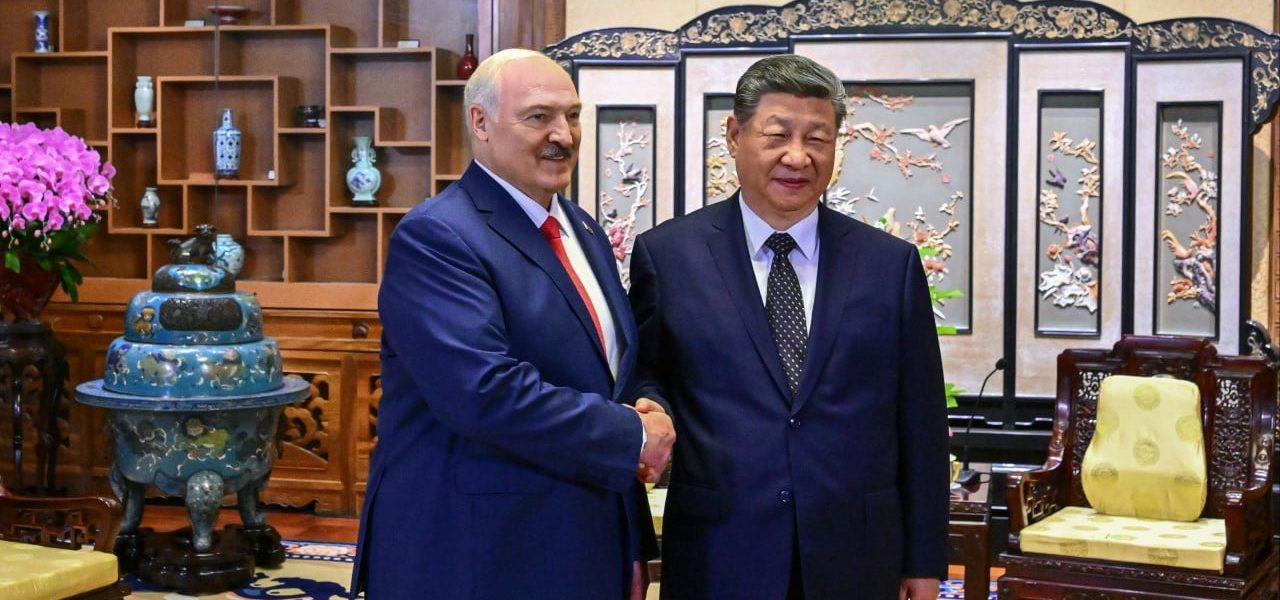
The whirlwind itinerary saw Lukashenko engage with Chinese President Xi Jinping in Beijing before proceeding to Russia to meet President Vladimir Putin at his Valdai residence. These high-level meetings are particularly salient given the persistent backdrop of simmering tensions surrounding Ukraine, a conflict in which Belarus has played a geographically strategic — and often politically controversial — role.
During his stop in the Chinese capital, Lukashenko expressed a sentiment of familiarity, telling President Xi Jinping that being in China was for him “like coming home.” This remark, reported on Monday by Belarusian journalists accompanying the delegation, suggests a comfort level and shared geopolitical perspective between Minsk and Beijing that goes beyond mere diplomatic formality. While details of President Xi’s direct responses were not fully available, the visit itself speaks volumes about China’s growing sphere of influence and its engagement with countries historically within Russia’s orbit.
Lukashenko’s journey, juxtaposing a visit to China with a subsequent meeting with Russia’s President Putin, is more than coincidental. It appears to be a calculated signal of a strengthened Eurasian strategic axis, particularly as both Moscow and Beijing face varying degrees of diplomatic and economic pressure from Western nations. Belarus, already a close ally of Russia, seems keen to broaden its international support network, leveraging its geopolitical position.
This sequence of visits solidifies established relationships, especially with Russia, where economic and military ties are deeply intertwined. His meeting with Putin at the exclusive Valdai residence—often reserved for significant discussions—points to ongoing, high-level coordination on matters ranging from regional security to economic cooperation. For Belarus, a nation under sanctions from various Western entities, reinforcing these non-Western alliances becomes a matter of pragmatic necessity, ensuring continuity of trade, military support, and diplomatic cover.
From Beijing’s perspective, hosting Lukashenko offers another opportunity to project its vision of a multi-polar world order, one where its partnerships extend beyond traditional geopolitical boundaries. The public acknowledgment of the Belarusian leader’s visit by state media further legitimizes Minsk’s international standing in defiance of Western criticisms. For Moscow, these meetings reiterate its enduring influence over a crucial neighbor and a vital buffer state in Eastern Europe, reinforcing its narrative of a cohesive bloc united against perceived external threats.
📄 POLICY WIRE WHITEPAPER PUBLISHED: PAKISTAN'S NATIONAL SECURITY POLICY PRIORITIES
👉 READ BY CLICKING HEREWhat This Means
The dual outreach to Moscow and Beijing by Belarusian leader Alexander Lukashenko isn’t merely about maintaining friendly relations; it signals a robust and coordinated effort to build a counterweight to Western influence. Given Belarus’s historical — and geographic ties to Russia, that relationship is a constant. The increasing visible engagement with China, however, reflects a broader strategic recalibration in Eastern Europe, a move towards what some observers might term an ‘Eastward pivot’.
For global stability, this triangulation could lead to a further entrenchment of geopolitical blocs, making international consensus on issues such as regional conflicts or trade policies more challenging to achieve. Belarus’s willingness to lean heavily on these two powers suggests a long-term commitment to a foreign policy less reliant on, and at times actively in opposition to, Western liberal democracies. The full implications of such alignment, particularly as tensions around Ukraine remain high, are yet to fully manifest but point towards continued strategic jostling on the global stage. (Reporting based on Associated Press)