

Soccer’s Shifting Sands: Canadian Triumph, US Market Anxiety, and the Global Game’s Deep Pockets
POLICY WIRE — New York, United States — For some, it’s just a game. For others—specifically a well-paid observer on the FOX One payroll—it’s a high-stakes, meticulously tracked drama...

POLICY WIRE — New York, United States — For some, it’s just a game. For others—specifically a well-paid observer on the FOX One payroll—it’s a high-stakes, meticulously tracked drama worthy of a five-figure salary. A reported $50,000 to watch every single World Cup match, not to mention the ancillary revenue streams, paints a stark picture: the beautiful game, it turns out, is also an incredibly lucrative business. And the tectonic plates of its global economy, driven by surprising wins and crushing pressures, are shifting faster than many expected.
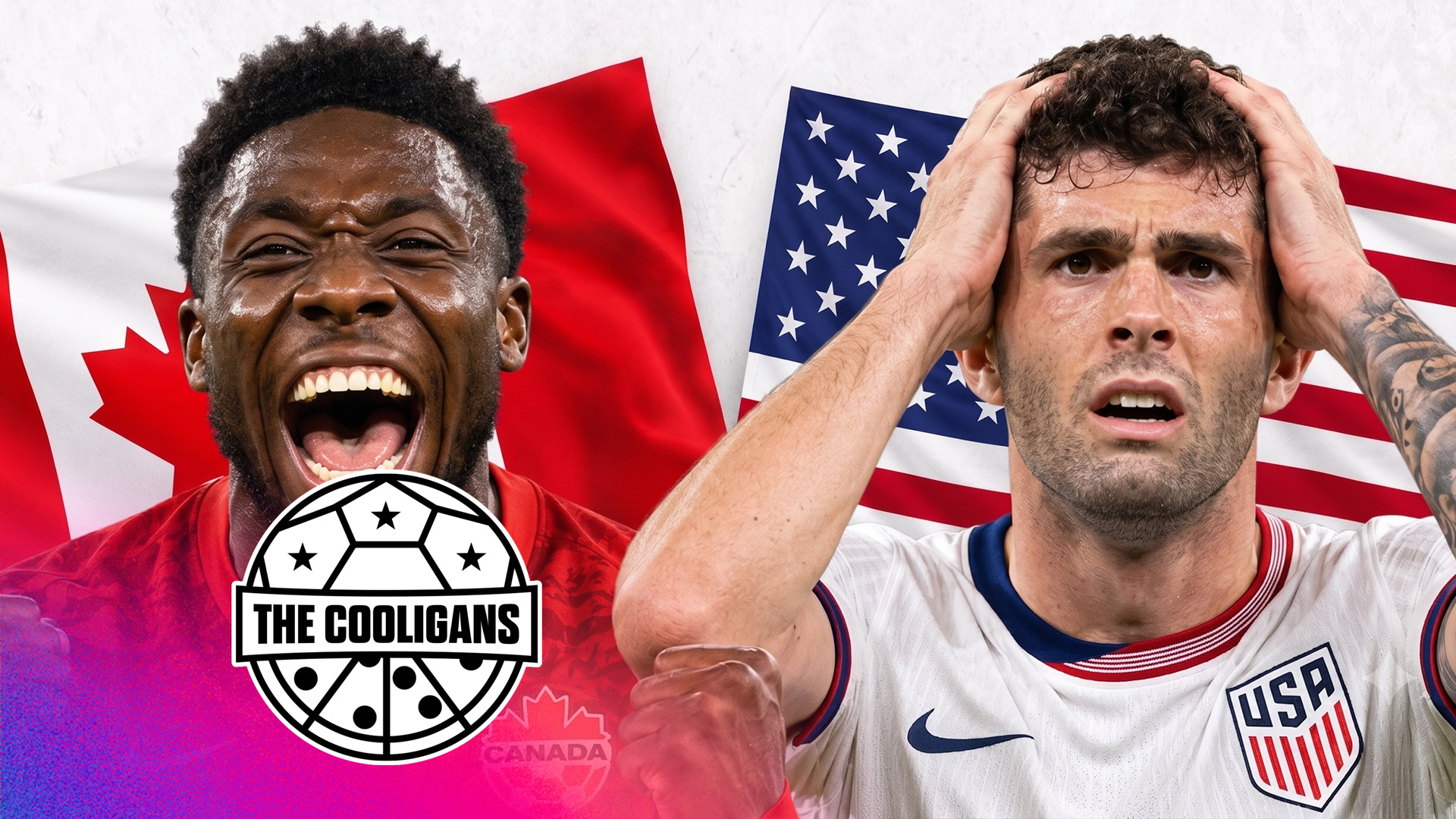
It wasn’t the traditional powerhouses that grabbed headlines this week. But Canada. Yes, the land of hockey — and poutine managed an unexpected feat, clinching its first-ever World Cup knockout victory. It wasn’t merely a sporting achievement; it’s a profound declaration on the international stage, hinting at a broader reallocation of athletic — and consequently, national — pride and projection. We’ve watched for years as soccer, or football as much of the world calls it, fought for true traction in North America. Now, that fight’s yielding tangible results, rewriting old narratives.
“This isn’t just about a game; it’s about what we, as a nation, can achieve when we commit,” remarked Canada’s Minister of Sport, Pascale St-Onge, her voice reportedly tinged with a quiet pride during a brief press appearance. “It projects our spirit on a global stage, demonstrating that investment in youth programs and international engagement pays off.” It’s a point few would argue against, particularly given the historical context of Canadian soccer’s relative obscurity.
Contrast that nascent joy with the simmering anxiety south of the border. The U.S. Men’s National Team (USMNT) might’ve glided through the group stage, but anyone who’s spent more than five minutes watching top-tier football knows that’s just a dress rehearsal. Now comes the main act, where one slip means an early flight home — and a massive public relations headache. Mauricio Pochettino’s side faces Bosnia next, with Belgium or Senegal potentially waiting. That’s a gauntlet, no doubt. But the real pressure isn’t just from fans. It’s from sponsors. It’s from broadcasters. It’s from the very infrastructure that’s banked billions on America finally embracing soccer as a mainstream sport.
“The eyes of an immense market are on this team,” commented MLS Commissioner Don Garber, in an earlier statement that suddenly feels prescient. “We’ve got commercial partners watching, fans investing. This isn’t just sport; it’s an economic engine — and a reflection of our national brand.” He isn’t wrong. A 2022 FIFA report, for instance, estimated the global football transfer market alone was worth a staggering $6.5 billion, reflecting the immense financial flows now dictating player valuations and team strategies. The American team, representing the world’s largest economy, feels every ounce of that market expectation. You can practically hear the dollars ticking away with each misplaced pass.
And then there’s Morocco. Their dazzling run through the group stage—and into a potential clash with the Netherlands—offers a parallel narrative of a nation from outside the sport’s traditional hegemons making a profound impact. Morocco’s success isn’t just about athletic prowess; it’s about soft power, about a Muslim-majority nation in the Global South demonstrating sporting excellence that captivates millions far beyond its borders. It speaks to the untapped potential in regions like South Asia, where cricket remains king but football’s grassroots are slowly but surely taking root. One need only look at the passion for international tournaments in nations like Pakistan to see the fertile ground that exists, ripe for development, if the infrastructure and investment are there. Like Canada, Morocco shows what happens when ambition meets opportunity.
The knockout stage, frankly, is a wild animal. Favorites can crash. Underdogs can shock. Germany’s got Paraguay. Ivory Coast is set to tussle with Norway. Every single match isn’t just a game of athletic skill; it’s a complex interplay of national aspirations, commercial investments, and evolving global narratives. Don’t mistake the roar of the crowd for mere entertainment. It’s the sound of international politics, economy, — and culture all converging on a patch of grass. And everyone, from the casual fan to the Chief World Cup Watcher, has a vested interest in the outcome.
What This Means
The ongoing World Cup, far from being just a sporting spectacle, serves as a fascinating microcosm of shifting global power dynamics and economic realities. Canada’s breakthrough, for instance, transcends mere athletic success; it’s a testament to sustained investment in youth sports development and its subsequent impact on national identity and international branding. This success can inspire similar efforts in other non-traditional footballing nations, particularly those with burgeoning youth populations. Because let’s face it, sporting achievement translates into national pride, attracting tourism, foreign investment, and an improved global image—essential tools in contemporary geopolitics. The economic calculus is simple: a winning team is a valuable national asset.
Conversely, the USMNT’s intense pressure highlights the immense commercialization of sports in the American market. For the U.S., success isn’t just desired; it’s practically mandated by the billions poured into media rights, sponsorships, and infrastructure development. Failure, in this context, isn’t just a loss on the scoreboard; it’s a direct blow to return on investment and a challenge to the perception of soccer’s rightful place in the American sporting pantheon. The stakes for the US go well beyond bragging rights; they affect everything from future broadcast deals to youth participation rates. The global reach of a World Cup campaign offers invaluable soft power opportunities, which, if mishandled, can diminish national influence and brand visibility on the world stage.